



The Art of Particle Formation in Ceramic Powder Making Machines
Ceramic powder making machines are essential tools for the production of ceramic materials. These machines use various techniques to convert raw materials into fine, uniformly sized particles that can be used in a variety of applications, such as electronics, construction, and more. In this article, we will explore the different types of ceramic powder making machines and their unique features.
One of the most common types of ceramic powder making machines is the ball mill. This machine uses grinding media to break down raw materials into smaller particles. Ball mills are versatile and can be used for a wide range of materials, including clay, glass, and metals. They are also relatively inexpensive and easy to maintain.
Another popular type of ceramic powder making machine is the roller mill. This machine uses two rotating rollers to grind raw materials into small particles. Roller mills are efficient and can produce high-quality ceramic powder at a lower cost than other machines. However, they require more maintenance and are not suitable for large-scale production.
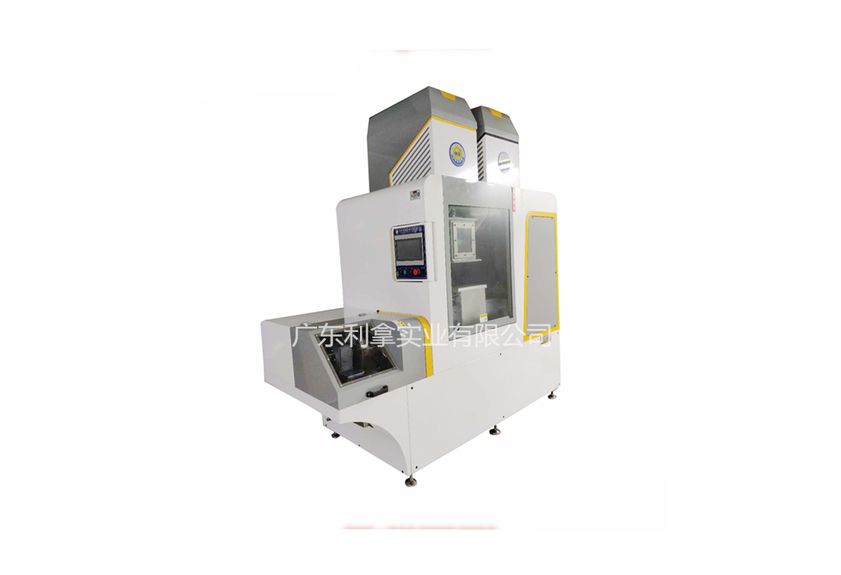
In addition to these basic types of machines, there are specialized devices available for specific applications. For example, a vibratory mill is designed to produce ceramic powder with a high degree of crystallinity and purity. This machine uses vibrational energy to break down raw materials and separate them into individual particles. Vibratory mills are ideal for producing high-performance ceramic materials for use in electronics and other industrial applications.
When selecting a ceramic powder making machine, it is important to consider factors such as size, capacity, and cost. Each machine has its own advantages and disadvantages, so it is important to choose one that meets your specific needs and budget. Additionally, proper maintenance and operator training are essential for ensuring optimal performance and longevity of the machine.
In conclusion, ceramic powder making machines play an important role in the production of ceramic materials. By understanding the different types of machines available and their unique features, you can select the right equipment for your specific application and achieve high-quality results.