



The Art of Rubber Mastication: A Comprehensive Guide to Rubber Masticating Machines
In the realm of rubber processing, the art of rubber mastication is a crucial step in the production process. This technique involves the mechanical mixing of rubber compounds to achieve the desired consistency and quality for various applications. Understanding the principles behind rubber mastication is essential for those involved in the rubber industry, as it directly impacts the final product's performance and durability.
At its core, rubber mastication is a complex process that requires precise control over temperature, pressure, and time. The machine used for this purpose is known as a rubber masticator, which is designed to handle large volumes of rubber materials while maintaining consistent mixing conditions. The masticator consists of a rotating drum or platen, which is coated with a layer of heat-resistant material to prevent premature wear and tear.
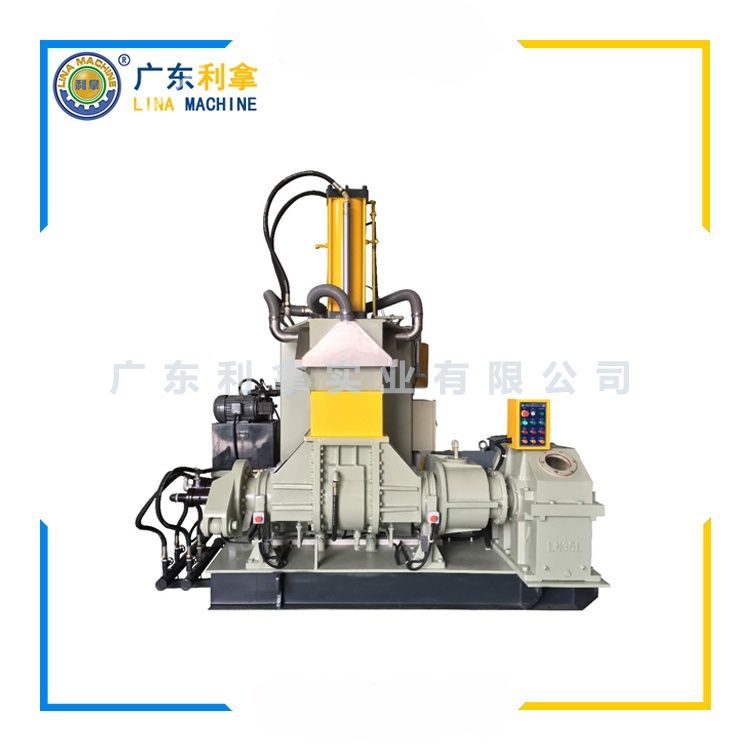
The rubber compound is fed into the masticator through a hopper or feeder system, which ensures even distribution of the material throughout the machine. The drum or platen rotates at high speeds, causing the rubber particles to come into contact with each other and mix thoroughly. The resulting mixture is then discharged from the masticator, ready for further processing or use in the final product.
One of the key benefits of using a rubber masticator is its ability to produce a uniform and consistent mix. This not only improves the overall quality of the rubber product but also reduces waste and minimizes variability in the final product. Additionally, the masticator can handle a wide range of rubber compounds, including natural and synthetic materials, making it an essential tool for many industries.
However, like any machinery, rubber masticators require proper maintenance and care to ensure they operate efficiently and safely. This includes regular cleaning and inspection of the machine's components, as well as monitoring the temperature and pressure settings during operation. By following these best practices, operators can maximize the lifespan of their rubber masticators and ensure that they continue to produce high-quality rubber products for years to come.
1. Rubber Mastication Machine
2. Rubber Processing
3. Heat-resistant Coating
4. Uniform Mix
5. Maintenance and Care
This article provides a comprehensive guide to the art of rubber mastication, highlighting the importance of using a rubber masticator in the rubber processing industry. We discuss the principles behind rubber mastication, the role of temperature, pressure, and time in achieving a uniform mix, and the benefits of using a rubber masticator for producing high-quality rubber products. We also emphasize the need for proper maintenance and care to ensure the longevity of the rubber masticator and optimize its performance. With this information, readers can make informed decisions about investing in a rubber masticator for their specific needs.