



The Art of Particle Formation with Ceramic Powder Grinding Machines
Ceramic powder grinding machines play a crucial role in the production process of ceramic materials. These machines are designed to efficiently grind and disperse ceramic powders into fine particles, which are then used in various applications such as electronics, automotive, and construction industries. In this article, we will explore the different types of ceramic powder grinding machines, their working principles, and the benefits they bring to the industry.
Firstly, there are two main types of ceramic powder grinding machines: ball mills and rod mills. Ball mills are more commonly used for grinding small amounts of ceramic powder, while rod mills are ideal for larger quantities. Both types use high-speed rotation of grinding media to break down the ceramic powder and create a uniform particle size distribution.
Ball mills consist of a rotating cylinder filled with grinding media, which is surrounded by a stationary cylinder. The grinding media is made of steel or other hard materials that can withstand high temperatures and pressures. As the cylinder rotates, the grinding media crushes the ceramic powder and creates a slurry, which is then discharged from the machine.
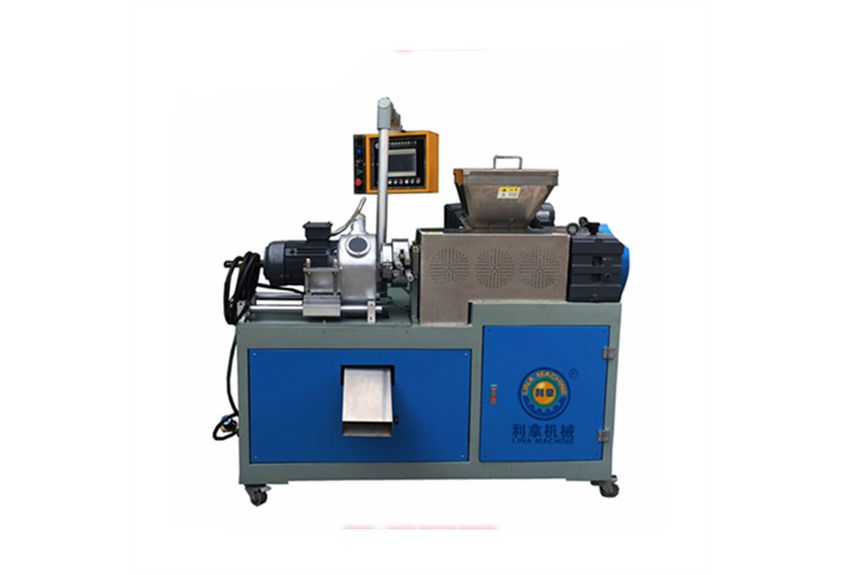
Rod mills, on the other hand, have a single rotating rod inside the cylinder, which is surrounded by a stationary cylinder. The rod is coated with grinding media that are also made of hard materials. When the rod rotates, it crushes the ceramic powder and creates a slurry, which is then discharged from the machine.
The working principle of both types of grinding machines is based on the principle of impact and compression. The ceramic powder is subjected to high-speed rotational forces, which cause the particles to collide with each other and undergo deformation. This process leads to the formation of smaller particles with improved properties.
In addition to their ability to produce fine particles, ceramic powder grinding machines also have several advantages over traditional methods of powder preparation. For example, they are energy-efficient, require less maintenance, and can be easily automated. Furthermore, they can handle a wide range of ceramic powders, including those with complex chemical compositions and high melting points.
In conclusion, ceramic powder grinding machines are essential tools in the production of ceramic materials. By understanding the different types of grinding machines and their working principles, manufacturers can optimize their processes and achieve better results. As the demand for high-quality ceramic products continues to grow, these machines will remain a vital component of the industry's success.