



The Art of the Pelletizer: A Comprehensive Guide to Understanding and Using a Pelletizer
Pelletizing is an essential process in many industries, from agriculture to bioenergy. It involves transforming raw materials into pellets that are easier to handle, transport, and store. In this article, we will explore the basics of pelletizing, including its benefits, types, and how to use a pelletizer effectively.
Benefits of Pelletizing
Pelletizing has several advantages over traditional methods of processing. Firstly, it reduces bulky materials, making them easier to handle and transport. Secondly, pelletized materials have a higher energy density, which means they require less fuel to produce the same amount of heat. Thirdly, pelletized materials are more resistant to moisture and dust, making them ideal for outdoor applications. Finally, pelletized materials can be stored for longer periods without losing their quality or nutritional value.
Types of Pelletizers

There are two main types of pelletizers: mechanical and chemical. Mechanical pelletizers use a rotating drum to crush and compact the material, while chemical pelletizers use chemicals to break down the material into smaller particles. Both types have their own advantages and disadvantages, so it's important to choose the right type for your specific needs.
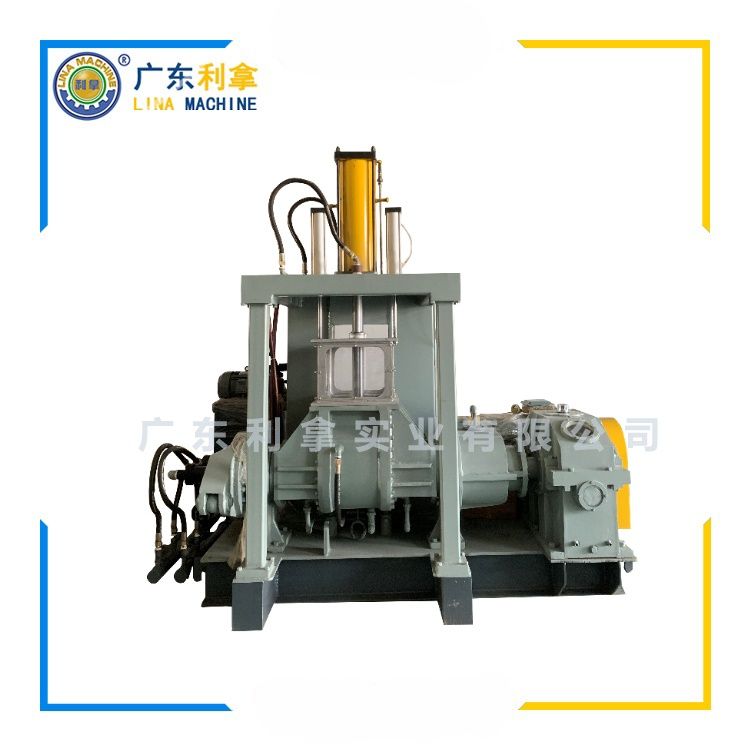
How to Use a Pelletizer
To use a pelletizer effectively, you need to follow these steps:
1. Choose the right pelletizer for your material - there are different models available with different features and capabilities.
2. Pre-process the material - this may involve drying, grinding, or other treatments depending on the type of material and the desired outcome.
3. Add the pre-processed material to the pelletizer - ensure that the material is evenly distributed across the drum.
4. Start the pelletizing process - adjust the speed and temperature as needed to achieve the desired consistency and size of the pellets.
5. Cool and package the pellets - once the pelletizing process is complete, cool the pellets and package them for storage or further processing.
Conclusion
Pelletizing is a versatile process that offers numerous benefits for various industries. By understanding the basics of pelletizing, selecting the right type of pelletizer, and following proper procedures, you can achieve optimal results and maximize the efficiency of your operations.