Understanding the Benefits of Particle-Making Machines for Talc Powder
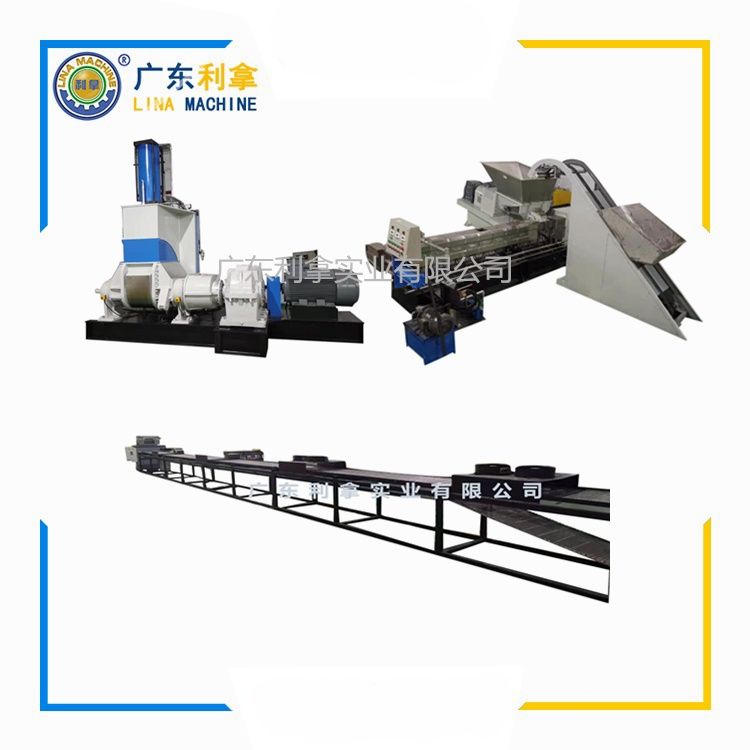
In the field of pharmaceutical and cosmetic industries, talc powder is a crucial ingredient due to its unique properties such as non-toxicity, smooth texture, and ability to absorb moisture. To produce high-quality talc powder, particle-making machines have become an essential tool in the manufacturing process. In this article, we will explore the benefits of using particle-making machines for talc powder production and how they contribute to the overall quality and consistency of the final product.
One of the primary advantages of particle-making machines for talc powder is their ability to produce uniformly sized particles. This ensures that the final product meets the desired specifications and can be used in various applications without any significant quality issues. The machine's advanced technology allows for precise control over the size and shape of the particles, which ultimately leads to better performance in the end product.
Another significant benefit of particle-making machines is their ability to handle large volumes of talc powder at a time. This is particularly important in industrial-scale production where the demand for talc powder is high. The machine's capacity to process large batches of material efficiently means that businesses can operate more cost-effectively and meet the demands of their customers.

Furthermore, particle-making machines are designed to minimize waste and maximize efficiency. By using advanced algorithms and sensors, these machines can detect any defects or impurities in the raw material and adjust the processing parameters accordingly. This helps to ensure that only high-quality talc powder is produced, reducing the need for additional cleaning or reprocessing steps.
The use of particle-making machines also has a positive impact on the environment. By producing talc powder with minimal waste and energy consumption, these machines help to reduce the carbon footprint associated with traditional manufacturing processes. Additionally, the use of sustainable materials and energy sources further contributes to the green manufacturing industry.
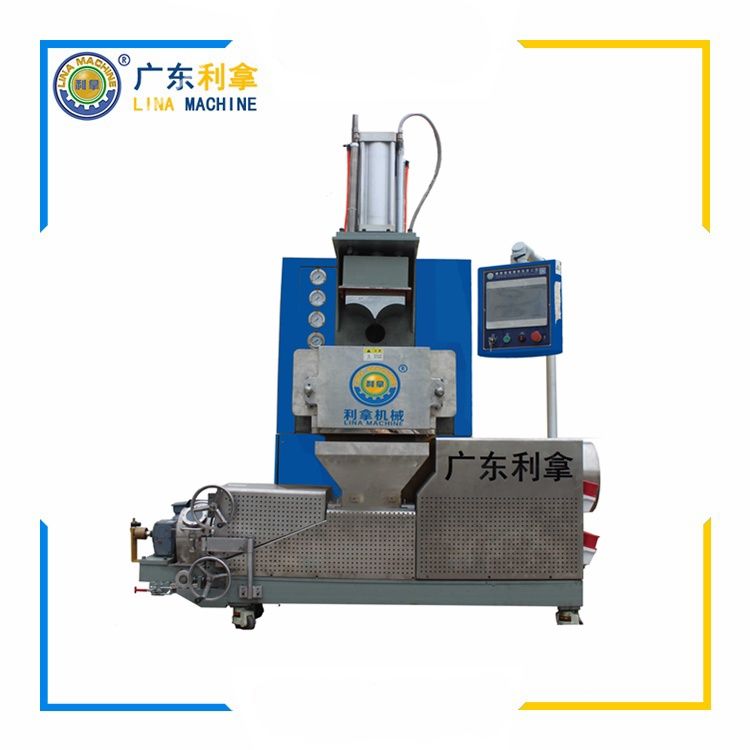
In conclusion, particle-making machines play a crucial role in the production of high-quality talc powder. Their ability to produce uniformly sized particles, handle large volumes of material efficiently, minimize waste, and promote sustainability make them an essential tool for modern manufacturing processes. As the demand for talc powder continues to grow, it is clear that investing in these machines will continue to yield significant benefits for both manufacturers and consumers alike.