



The Role of the Seven-Roll Rolling Press in Metal Forming
The seven-roll rolling press is a crucial tool in the metal forming industry, particularly in the production of sheet materials. This versatile machine has been used for over a century and continues to be an essential part of the manufacturing process. In this article, we will explore the history, design, and applications of the seven-roll rolling press.
Historical Background:
The seven-roll rolling press was first introduced in the late 19th century as a way to produce sheet metal with greater consistency and uniformity. It quickly gained popularity due to its ability to handle a wide range of materials, including steel, aluminum, and copper. The design of the seven-roll press allowed for precise control over the thickness and width of the sheet material, which was critical for many industrial applications.
Design Features:
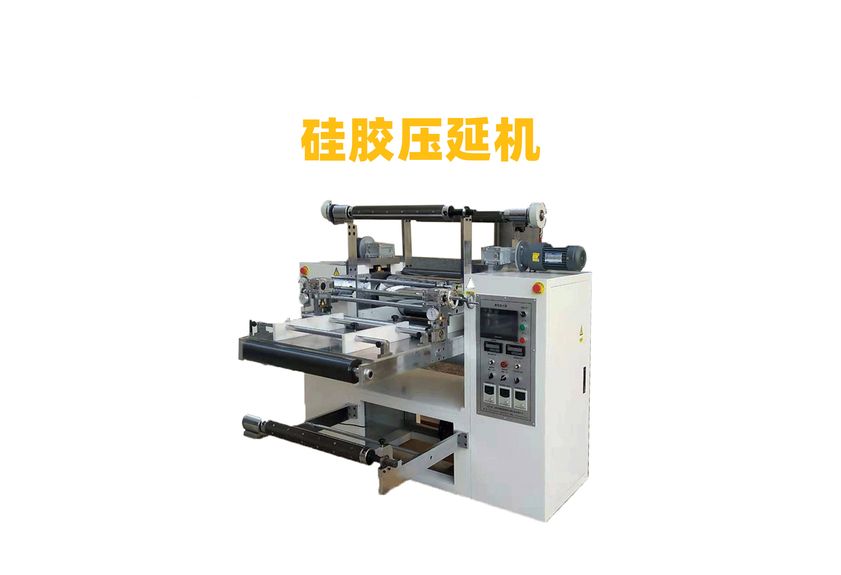
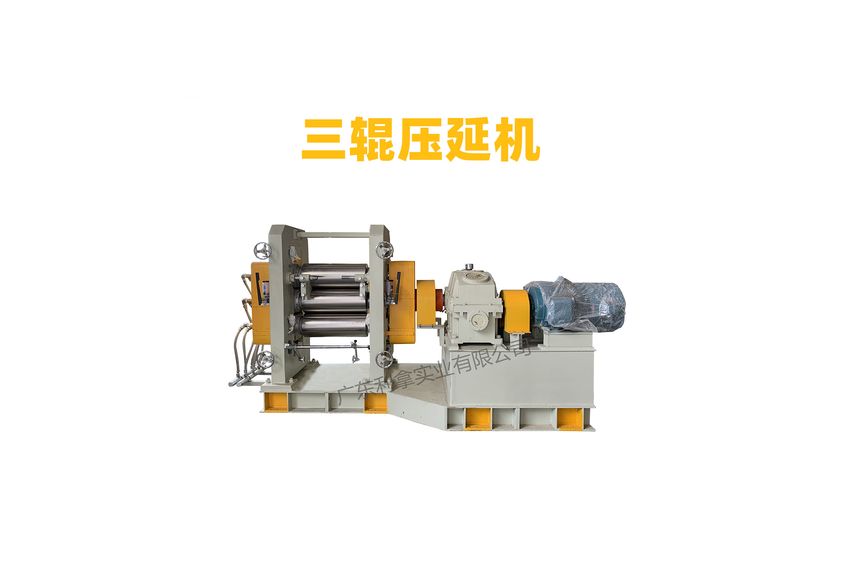
The seven-roll rolling press consists of seven parallel rollers that rotate around a central axis. These rollers are arranged in a specific pattern, with each roller having a different diameter and shape. The outermost roller is typically larger than the others, providing more surface area for contact with the workpiece. The innermost roller is smaller, allowing for a tighter fit and better control over the thickness of the sheet material.
Applications:
The seven-roll rolling press is used in a wide range of industries, including automotive, aerospace, and construction. In the automotive industry, it is used to produce high-quality steel and aluminum sheet for body panels, door panels, and other components. In aerospace, it is used to produce lightweight but strong aluminum alloy sheets for aircraft parts. In construction, it is used to produce durable and corrosion-resistant steel sheets for building materials.
Advantages:
One of the main advantages of the seven-roll rolling press is its ability to produce sheet materials with consistent thickness and width. This makes it ideal for applications where uniformity is critical, such as in automotive and aerospace. Additionally, the seven-roll press is highly adaptable, allowing for the processing of a wide range of materials. This flexibility makes it a valuable tool for any manufacturing facility looking to streamline their production process.
Conclusion:
The seven-roll rolling press is a vital tool in the metal forming industry, providing consistent and uniform sheet materials for a variety of applications. Its design features allow for precise control over the thickness and width of the sheet material, making it ideal for applications where uniformity is critical. As the demand for precision and efficiency in manufacturing continues to grow, the seven-roll rolling press will continue to play a significant role in shaping the future of the metal forming industry.