
The Role of Air-Protection Mixing Machines in Industrial Production
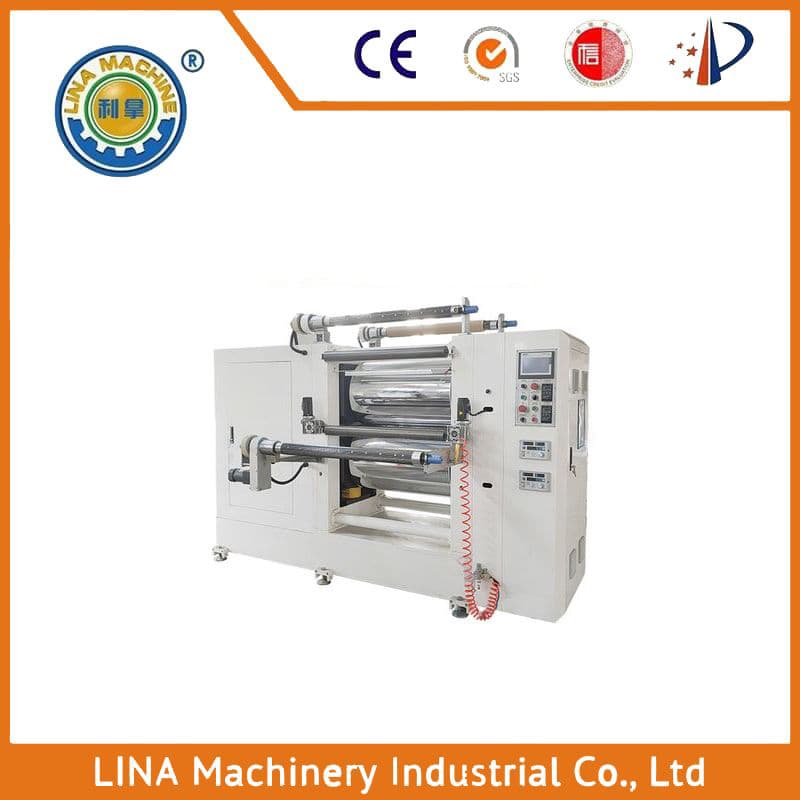
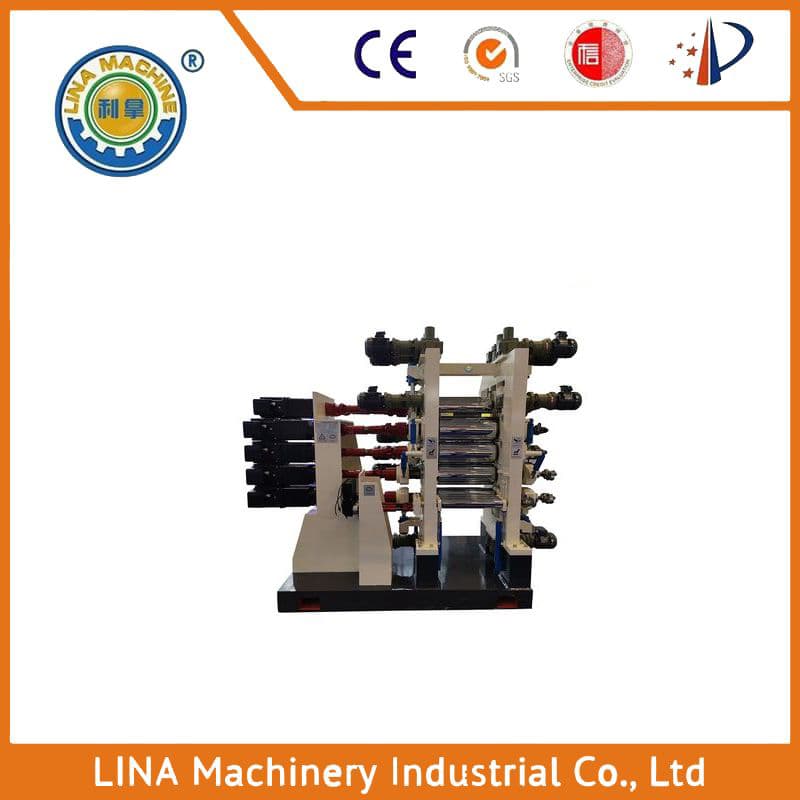
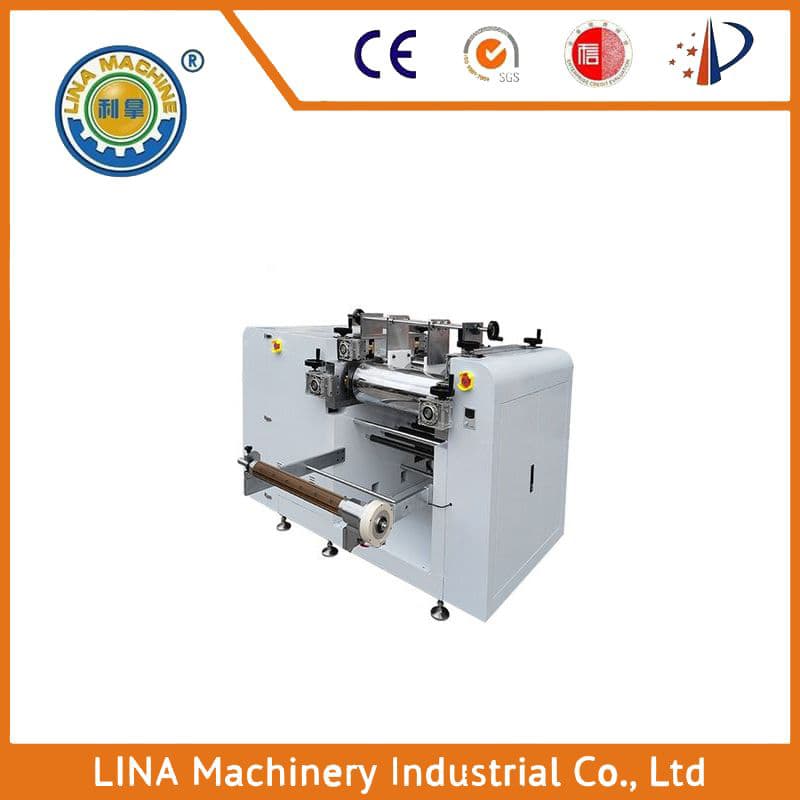
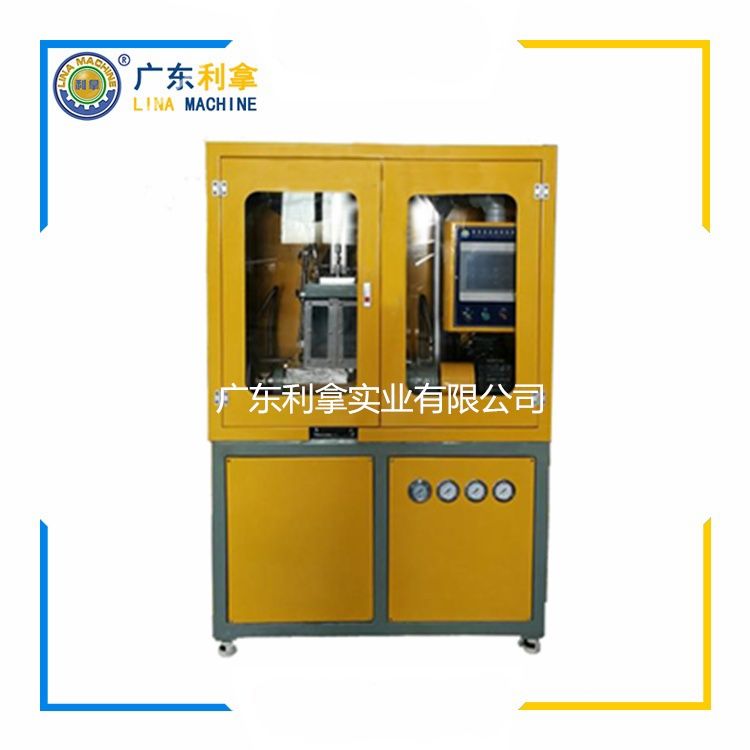
Air-protection mixing machines are an essential tool in the production process, particularly in industries that require high-quality materials. These machines use a controlled environment to mix and blend raw materials into a uniform mixture, ensuring consistency and quality control throughout the manufacturing process.
One of the key benefits of air-protection mixing machines is their ability to maintain a consistent temperature and pressure during the mixing process. This helps to prevent any uneven heating or cooling of the materials, which can lead to defects in the final product. Additionally, these machines are designed to be highly efficient, reducing energy consumption and minimizing waste.
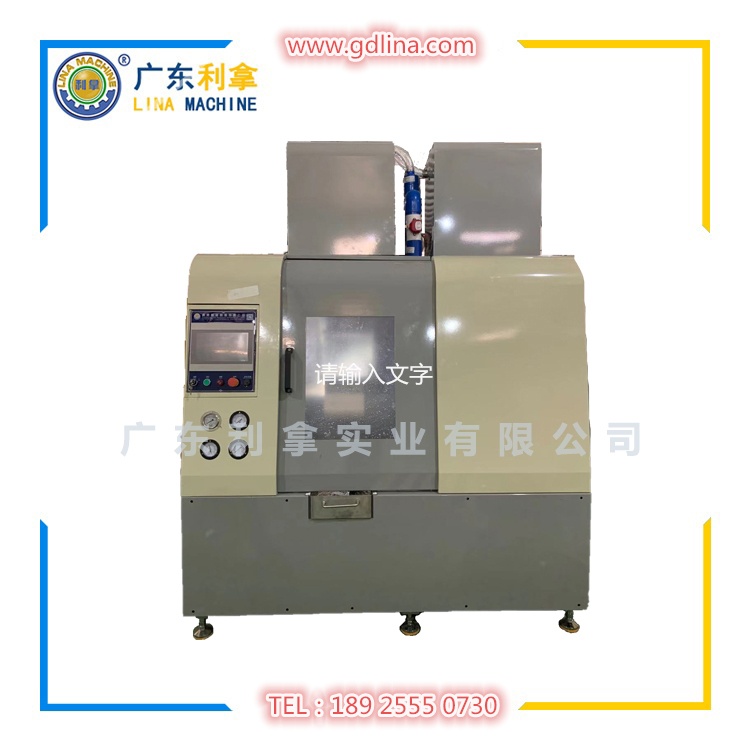
Another advantage of air-protection mixing machines is their ability to handle a wide range of materials. From plastics and rubber to metals and ceramics, these machines can be customized to meet specific requirements for each material. This flexibility allows for greater efficiency and cost savings in the long run.
In addition to their technical advantages, air-protection mixing machines also have a positive impact on the environment. By using less energy and producing fewer emissions, these machines help to reduce the carbon footprint of industrial production. This not only benefits the environment but also contributes to the overall sustainability of the industry.
Overall, air-protection mixing machines play a crucial role in the production process, providing consistency, efficiency, and environmental benefits. As technology continues to advance, it is likely that these machines will continue to evolve and improve, making them even more important in the future of industrial production.