
"The Development of Hydrogen Fuel Cell Bipolar Plate Rolling Machine Production Line
Hydrogen fuel cell technology has been rapidly advancing in recent years, and the production line for hydrogen fuel cell bipolar plates is a crucial component in this process. The bipolar plate is a critical component in the hydrogen fuel cell stack, responsible for providing a stable interface between the cathode and anode electrodes. Therefore, the development of a high-quality bipolar plate rolling machine production line is essential for the advancement of hydrogen fuel cell technology.
The bipolar plate rolling machine production line is a complex system that involves multiple steps, including material preparation, rolling, and post-processing. The first step is to prepare the raw materials for the bipolar plates, which are typically made from stainless steel or aluminum alloy. These materials are then subjected to a series of processes to achieve the desired thickness and surface quality.
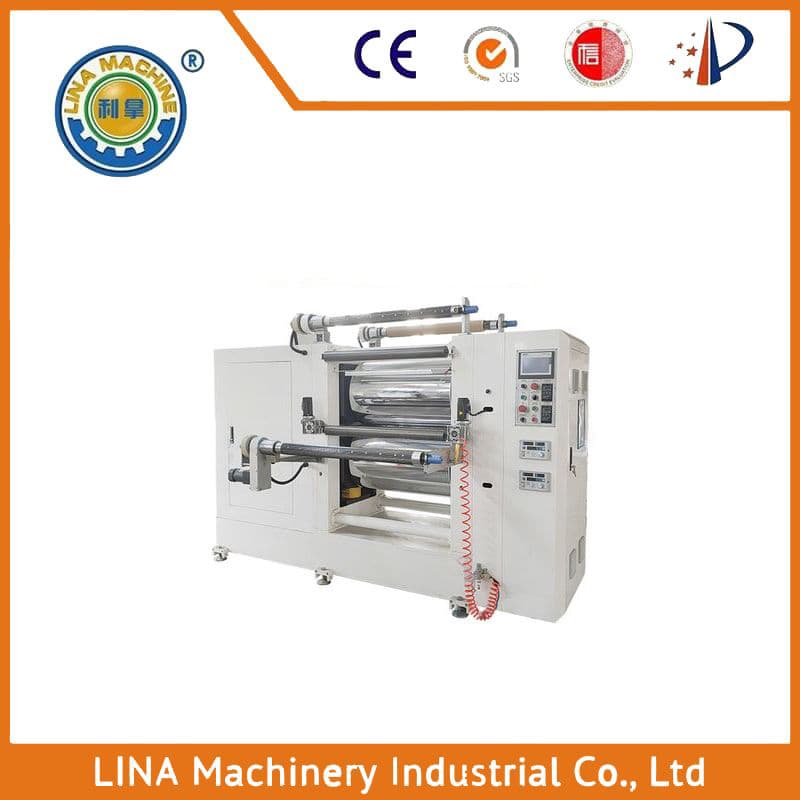
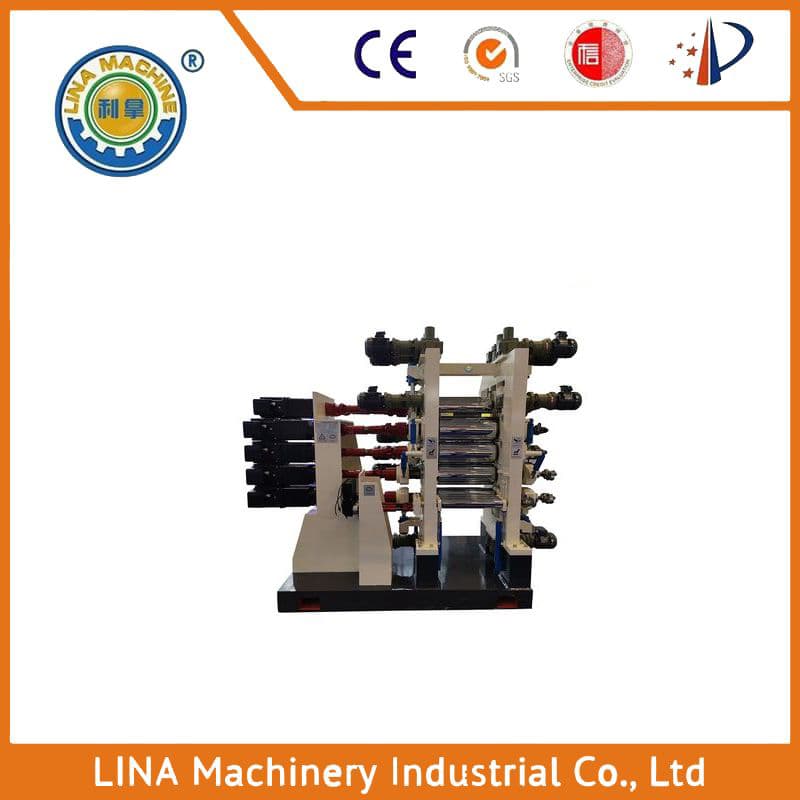
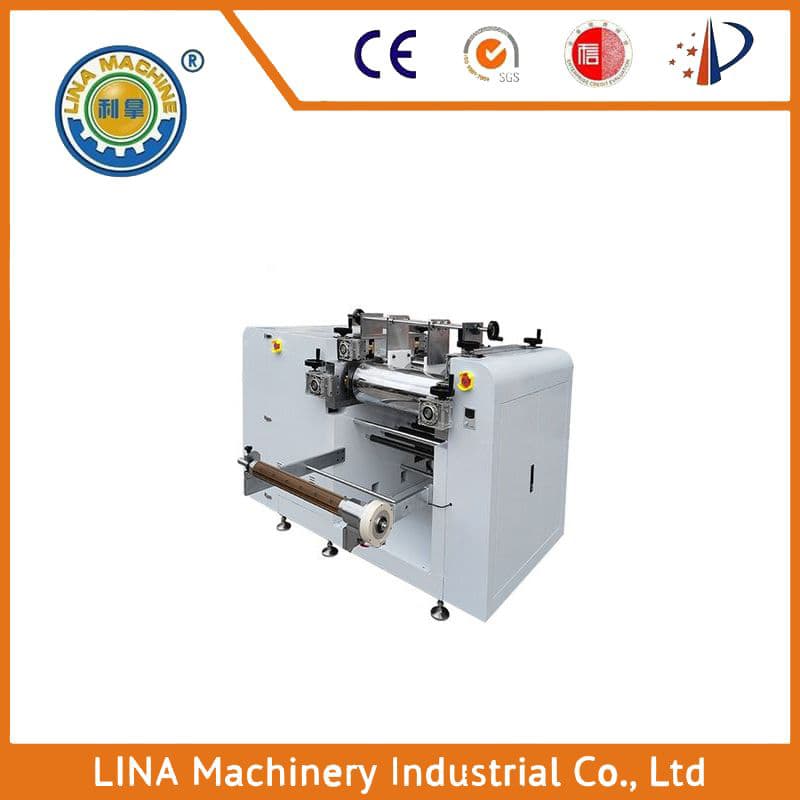
Once the raw materials have been prepared, the next step is to roll them into the desired shape using a rolling machine. This process requires precise control over the speed and pressure of the rollers, as well as the temperature and humidity of the environment. The rolling process is critical in ensuring that the bipolar plates have a uniform thickness and smooth surface finish.

After the bipolar plates have been rolled, they undergo a series of post-processing steps, including cleaning, polishing, and inspection. These steps help to remove any defects or imperfections from the bipolar plates and ensure that they meet the required standards for use in a hydrogen fuel cell stack.
In addition to these basic steps, there are also specialized equipment available for the production line, such as automatic welding machines and cutting tools. These tools help to ensure that the bipolar plates are assembled together in a precise and efficient manner.
Overall, the development of a high-quality hydrogen fuel cell bipolar plate rolling machine production line is essential for the advancement of this technology. By investing in advanced equipment and processes, manufacturers can produce bipolar plates that meet the highest standards of quality and reliability, ultimately driving down costs and increasing efficiency in the hydrogen fuel cell industry.