



The Art of Rubber Extrusion Filtering Machinery
The rubber extrusion filtering machine is a crucial tool in the production process of rubber products. It plays a significant role in removing impurities and improving the quality of the final product. In this article, we will explore the working principles, advantages, and applications of rubber extrusion filtering machines.
Working Principles:
The rubber extrusion filtering machine works by using a series of filters to remove impurities from the molten rubber. The raw materials are melted in a furnace and then forced through a series of screens or filters to separate out any foreign particles or contaminants. The filtered molten rubber is then cooled and solidified into the desired shape.
Advantages:
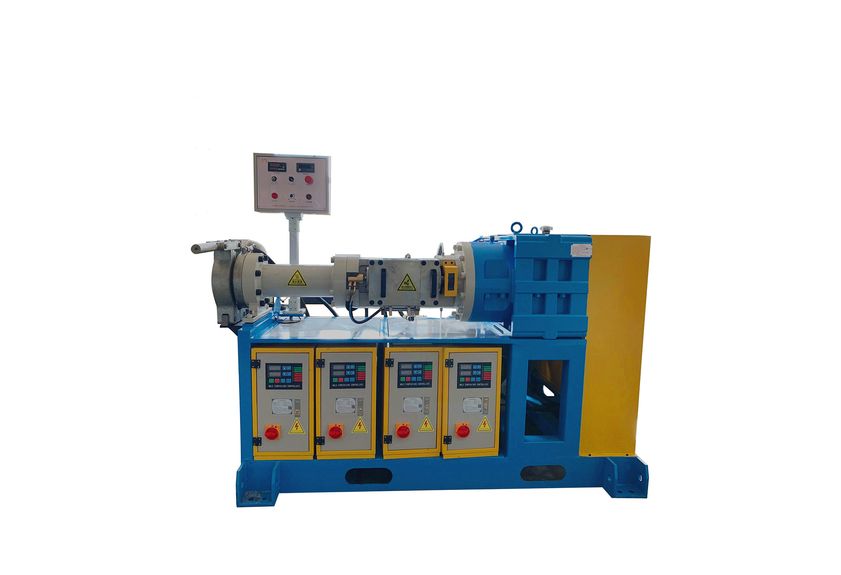
One of the main advantages of rubber extrusion filtering machines is their ability to produce high-quality products with minimal defects. By removing impurities during the production process, the final product has a smoother surface and better mechanical properties. This results in increased efficiency and reduced costs for the manufacturer.
Applications:
Rubber extrusion filtering machines are used in a wide range of industries, including automotive, footwear, and sports equipment manufacturing. They are also commonly used in the production of medical devices, such as catheters and implants. The machine's ability to produce high-quality products with minimal defects makes it an essential tool for these industries.
1. Rubber Extrusion Filtering Machine
2. Quality Control
3. Production Process
4. Impurity Removal
5. Industry Applications
This article provides an in-depth analysis of the working principles, advantages, and applications of rubber extrusion filtering machines. We discuss how these machines help improve the quality of the final product and reduce defects, making them an essential tool in various industries. By understanding the importance of quality control in the production process, we can further optimize our operations and increase efficiency.