



The Art of Plastic Molding Machines
Plastic molding machines are an essential tool in the manufacturing industry, enabling the creation of plastic products with precision and efficiency. These machines use heat and pressure to shape and form plastic into various shapes and sizes, making them ideal for a wide range of applications. In this article, we will explore the different types of plastic molding machines, their features, and how they contribute to the success of modern manufacturing processes.
One of the most common types of plastic molding machines is the injection molding machine. This machine uses hydraulic or pneumatic power to force molten plastic into pre-formed cavities in a mold. The resulting product is then removed from the mold and processed further if necessary. Injection molding machines are versatile and can produce a wide range of products, including toys, automotive parts, and electronic components.
Another popular type of plastic molding machine is the compression molding machine. This machine applies heat and pressure to a heated platen that holds the plastic material together. The result is a solid block of plastic that can be cut and shaped into finished products. Compression molding machines are ideal for producing large quantities of standardized products such as food containers and packaging materials.
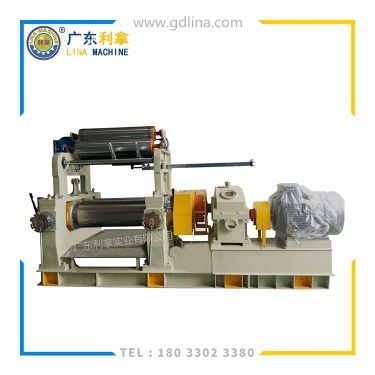
The third type of plastic molding machine is the blow molding machine. This machine uses air pressure to blow molten plastic into a mold cavity. The resulting product is often used for packaging and disposable items due to its lightweight and durable properties. Blow molding machines are also capable of producing complex shapes and designs that are difficult to achieve with other molding techniques.
In addition to these three main types of plastic molding machines, there are also specialized machines designed for specific applications. For example, the extrusion molding machine is used to produce continuous filaments for fiber optic cables and other high-tech materials. The rotary molding machine is ideal for producing small batches of custom products that require precise control over the shape and size of the final product.
The success of plastic molding machines depends on several factors, including the quality of the raw materials used, the accuracy of the mold design, and the skill of the operator. By understanding the different types of plastic molding machines and their capabilities, manufacturers can choose the right machine for their specific needs and optimize their production processes for maximum efficiency and cost savings.
1. Plastic Molding Machines
2. Injection Molding Machine
3. Compression Molding Machine
4. Blow Molding Machine
5. Specialized Plastic Molding Machines
This article provides an in-depth exploration of the different types of plastic molding machines used in the manufacturing industry. From the basic principles of each machine to its unique features and applications, we cover all aspects of plastic molding technology. By understanding the capabilities and limitations of these machines, manufacturers can make informed decisions about which equipment to invest in and how to optimize their production processes for maximum efficiency and cost savings.