



The Ultimate Guide to Sulfurizing Machines
Sulfurizing machines are an essential part of the chemical industry, used for a variety of purposes such as desulfurization, decomposition, and purification. These machines have been around for centuries and continue to play a crucial role in the production of various chemicals and materials. In this article, we will explore the different types of sulfurizing machines, their applications, and how they work.
Types of Sulfurizing Machines:
1. Rotary Kiln: A rotary kiln is a type of sulfurizing machine that uses heat to convert raw materials into sulfur. It consists of a rotating drum that contains the material to be processed. The heat is generated by burning fuel, usually coal or oil, inside the furnace. The hot gases pass through the material, causing it to react with oxygen and produce sulfur.
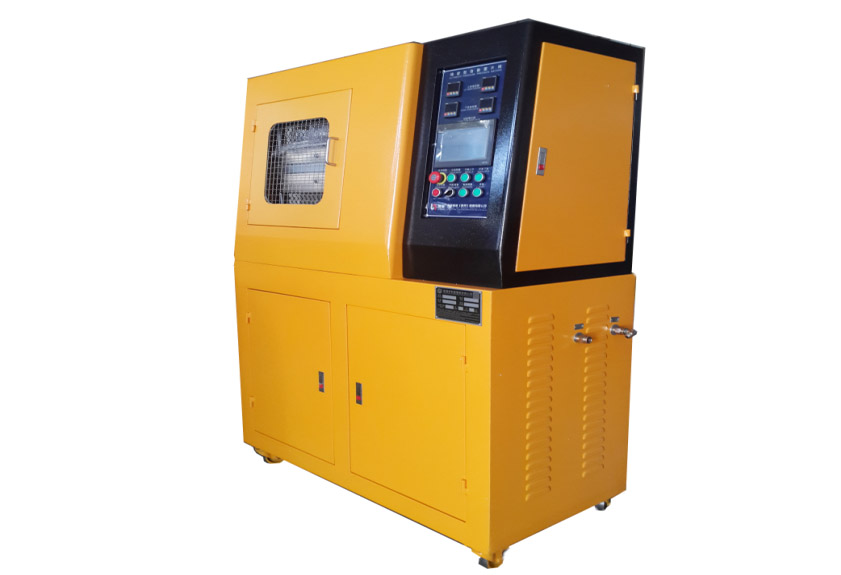
2. Fluidized Bed Reactor: A fluidized bed reactor is a type of sulfurizing machine that uses a fluidized bed of solid particles to carry out the reaction. The reactants are fed into the reactor, where they mix with the fluidized bed. The heat from the reactants causes the solid particles to rise and form a fluidized bed, which helps to maintain the temperature and pressure necessary for the reaction.
3. Moving Bed Reactor: A moving bed reactor is a type of sulfurizing machine that uses a moving bed of solid particles to carry out the reaction. The reactants are fed into the reactor, where they mix with the moving bed. The heat from the reactants causes the solid particles to move, which helps to maintain the temperature and pressure necessary for the reaction.
Applications of Sulfurizing Machines:
Sulfurizing machines are used in a wide range of industries, including petroleum refining, fertilizer production, pharmaceuticals, and chemical manufacturing. They are particularly useful in industries that require high-quality sulfur products, such as those producing pesticides, detergents, and dyes.
How Sulfurizing Machines Work:
The process of sulfurizing involves heating the raw material to a high temperature, typically between 800°C and 1200°C. This high temperature causes the raw material to react with oxygen, producing sulfur as a byproduct. The sulfur is then separated from the other byproducts and purified to meet specific quality standards.
Conclusion:
Sulfurizing machines are essential tools in the chemical industry, providing a reliable and efficient way to produce sulfur products. Whether you're looking to refine natural gas, produce fertilizers, or manufacture pharmaceuticals, sulfurizing machines can help you achieve your goals. By understanding the different types of sulfurizing machines and their applications, you can make informed decisions about which one is right for your business.