
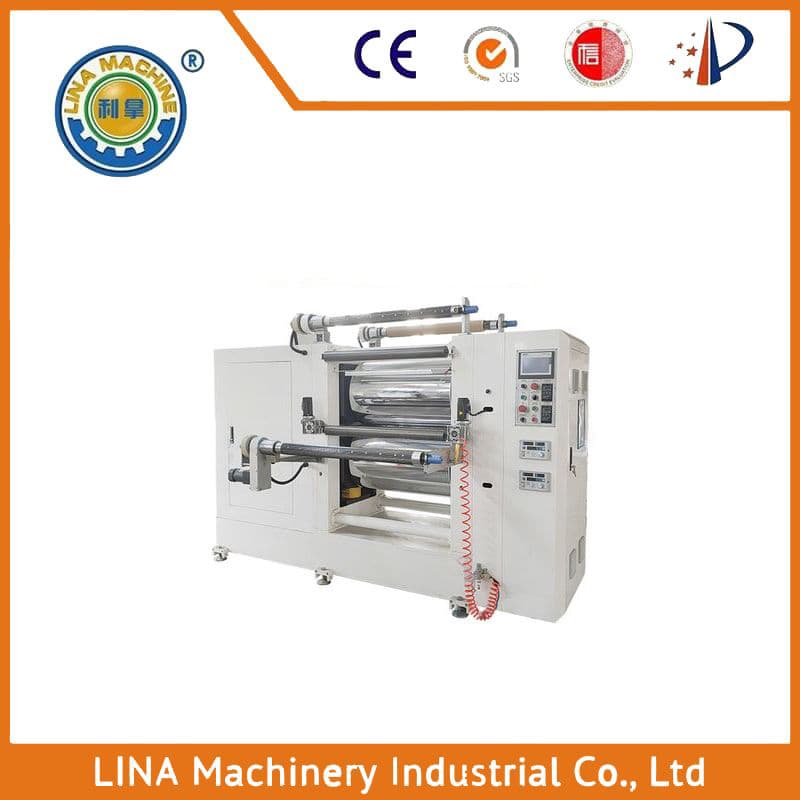
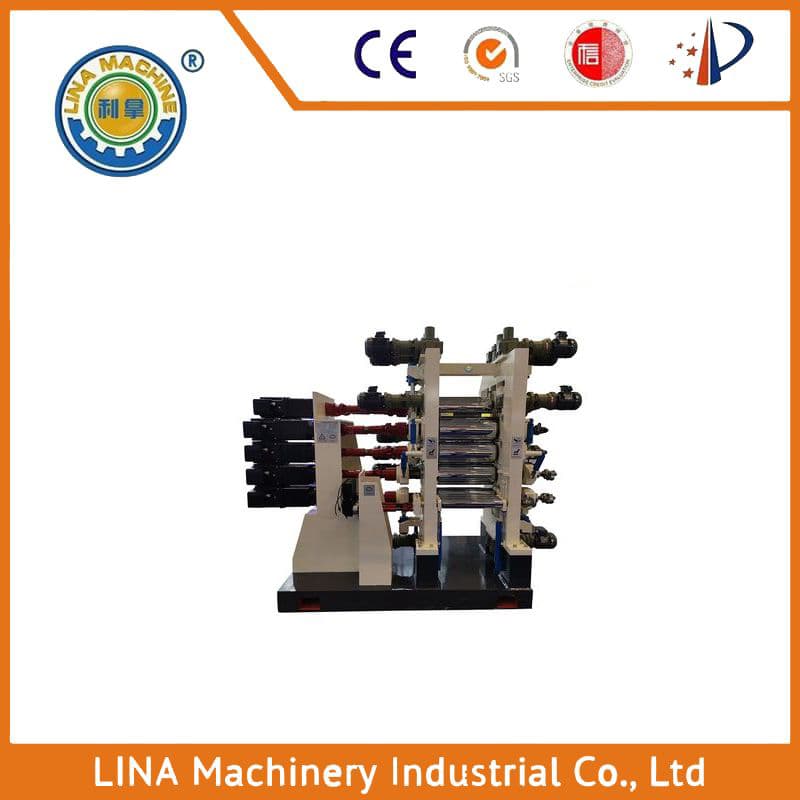
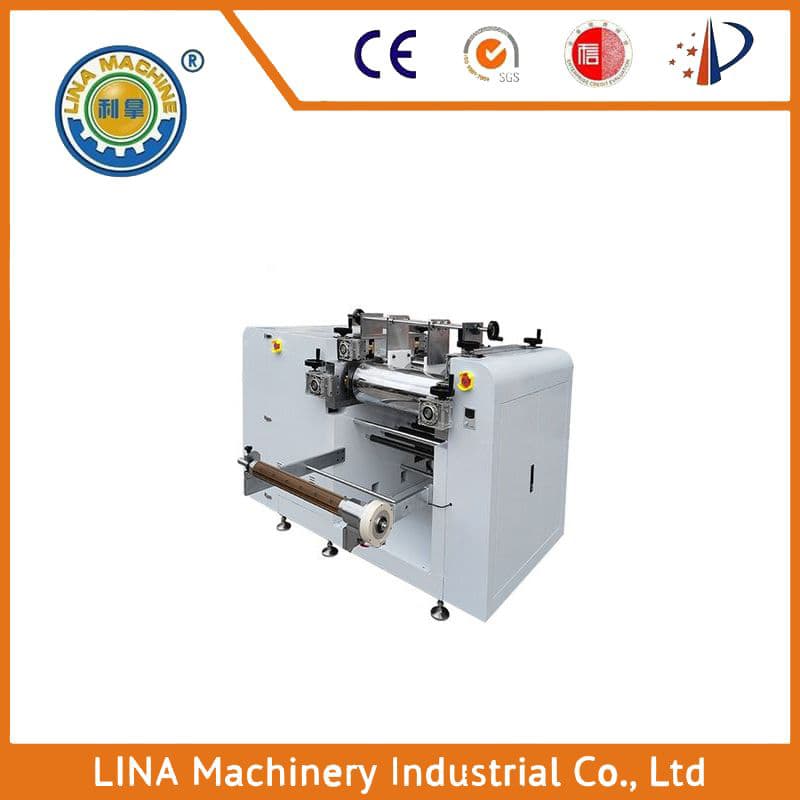
The Evolution of Electric Sulfurizing Machines
In the realm of metalworking, the utilization of electric sulfurizing machines has revolutionized the industry by providing a more efficient and precise method for treating metal surfaces. These machines have become increasingly popular in recent years due to their ability to produce high-quality sulfur coatings that enhance the corrosion resistance and wear resistance of various metals. In this article, we will explore the history of electric sulfurizing machines, their advantages over traditional methods, and how they can be used to improve the performance of various industrial applications.
The concept of using electricity to treat metal surfaces dates back to ancient times when people discovered that certain metals could be treated with fire or other chemicals to create protective layers. However, it wasn't until the mid-20th century that electric sulfurizing machines were developed, which allowed for more precise control over the process and greater efficiency.
One of the key advantages of electric sulfurizing machines is their ability to produce uniform and consistent results. Unlike traditional methods that require manual adjustments and trial-and-error processes, electric sulfurizing machines use advanced software and algorithms to optimize the treatment process, ensuring that each part of the metal surface receives the correct amount of sulfur. This not only saves time but also reduces the risk of producing non-uniform coatings that can lead to defects in the final product.
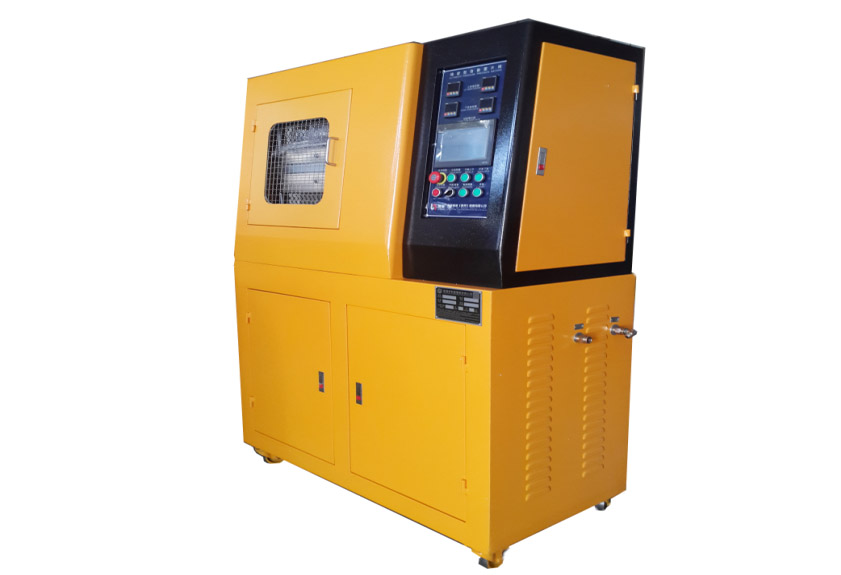
Another significant advantage of electric sulfurizing machines is their ability to handle a wide range of materials. Unlike some other treatments that may require specialized equipment or chemicals, electric sulfurizing machines can be used to treat a variety of metals, including steel, aluminum, and copper. This makes them ideal for industries that deal with a diverse range of materials, such as automotive, construction, and electronics.
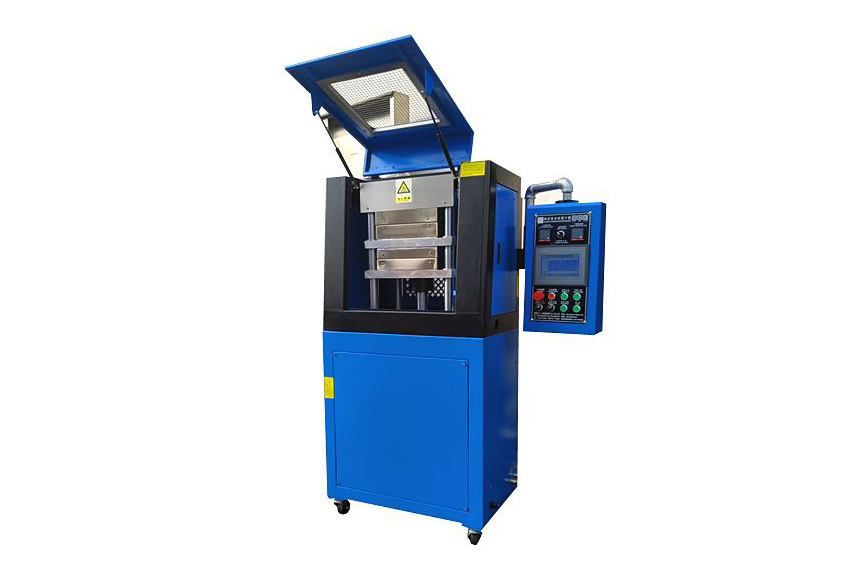
Finally, electric sulfurizing machines are environmentally friendly. Unlike traditional methods that often involve the use of toxic chemicals or high levels of energy consumption, electric sulfurizing machines rely on electricity, which is a renewable resource. This not only reduces the carbon footprint of the process but also minimizes the risk of accidents caused by chemical spills or exposure to harmful fumes.
In conclusion, electric sulfurizing machines represent a significant advancement in the field of metalworking. By providing more precise control over the treatment process, greater efficiency, and environmental friendliness, these machines have become essential tools for modern industrial applications. As technology continues to advance, we can expect to see even more innovative and sophisticated electric sulfurizing machines that will continue to transform the way we work with metal surfaces.