



Title: Exploring the World of ...
Title: Exploring the World of Rubber Extrusion Machinery
In the realm of industrial machinery, few are as versatile and critical as the rubber extrusion machine. At the heart of this specialized machinery lies a complex interplay of mechanical, electrical, and chemical systems that work in tandem to produce high-quality, consistent rubber products. This article delves into the intricate workings of these machines, highlighting their significance in the production process and the innovative advancements that have made them more efficient and reliable than ever before.
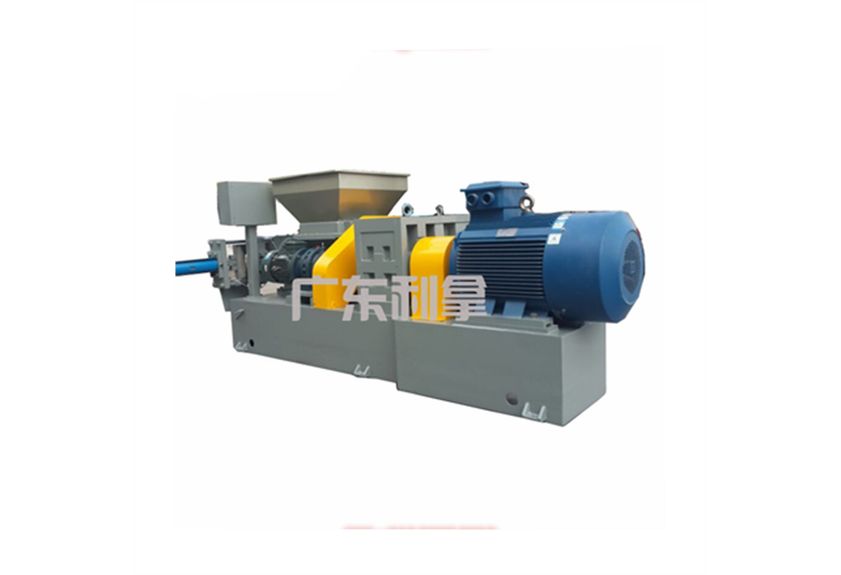
At its core, the rubber extruder is a marvel of engineering. It consists of a series of rotating screws, each one designed to push molten rubber through a series of heated pipes, where it is cooled and solidified into the final product. The machine's ability to control the temperature and pressure of the molten rubber is paramount to producing consistent quality. The temperature is crucial for ensuring that the rubber does not overheat or undercool, which can lead to defects in the final product. Pressure is also essential for ensuring that the molten rubber flows smoothly through the pipes without clogging or seizing up.
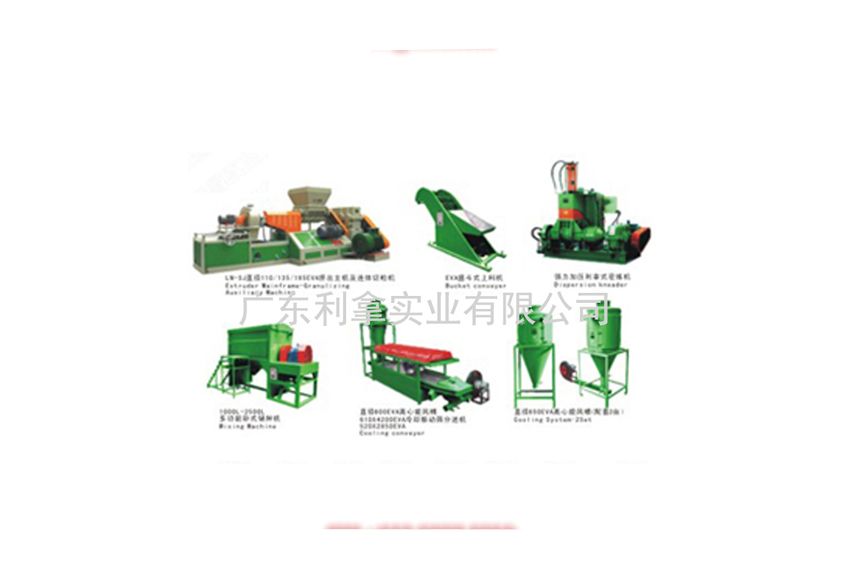
The design of the rubber extruder is just as important as its function. It must be able to handle a wide range of materials, from natural rubber to synthetic rubber, and must be able to adapt to different types of products. This is achieved through a combination of advanced materials and sophisticated manufacturing techniques. For example, some extruders use stainless steel or other corrosion-resistant materials to prevent damage to the machine during long periods of operation. Others incorporate advanced sensors and control systems to monitor and adjust the temperature and pressure of the molten rubber as it moves through the machine.
One of the most significant challenges facing the rubber extruder industry today is the need for increased efficiency and sustainability. As demand for sustainable and eco-friendly products continues to rise, manufacturers are forced to find ways to reduce their environmental footprint while still producing high-quality products. One solution is to use renewable energy sources such as solar power to power the extruder. This not only reduces reliance on fossil fuels but also helps to lower operating costs. Additionally, many modern extruders now incorporate features such as closed-loop recycling systems that allow waste heat to be reused for heating purposes, further reducing energy consumption.
Another area where innovation is needed is in the development of new materials that can withstand the high temperatures and pressures required by the extruder. As industries continue to move towards more sustainable practices, there is a growing demand for materials that are both durable and environmentally friendly. New polymers and composites are being developed that can withstand the extreme conditions of the extruder while still providing excellent performance. These materials can help to reduce the need for expensive repairs and maintenance, while also helping to reduce waste and promote circular economy principles.
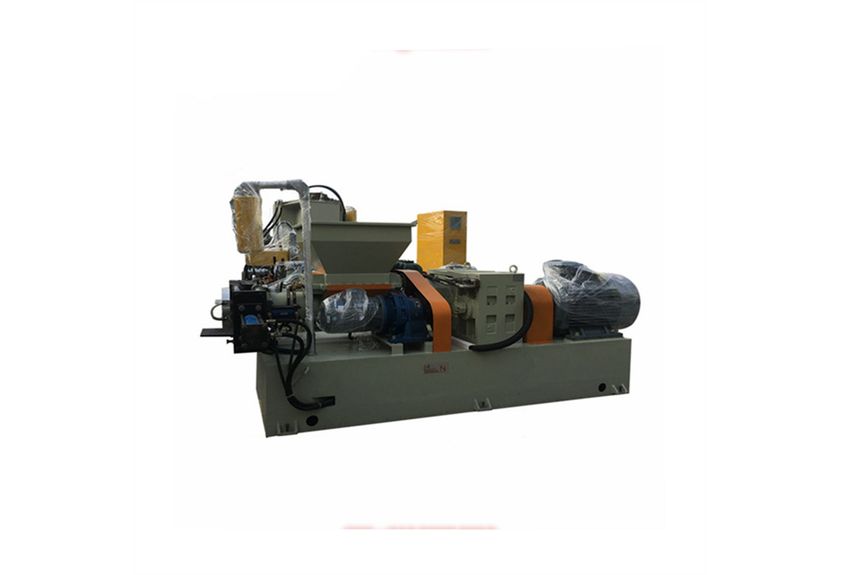
In conclusion, the rubber extruder is a vital component of the industrial world, responsible for producing high-quality rubber products with precision and consistency. Its design and functionality are driven by a deep understanding of the science behind rubber processing, while ongoing innovations in materials and technology are pushing the boundaries of what is possible. As we look to the future, it is clear that the rubber extruder will continue to play an essential role in shaping our world, whether in the production of everyday items or in the development of cutting-edge technologies.