
The Role of Lithium Battery Pulley Pressing Machine in the Manufacturing Process
Lithium batteries are one of the most important energy storage devices in modern society. They have a wide range of applications, including electric vehicles, portable electronics, and power tools. To ensure the quality and consistency of lithium batteries, the manufacturing process requires precise control over various steps, including electrode preparation, assembly, and testing. One critical step in this process is the formation of the cathode and anode plates, which are made from a thin layer of active material sandwiched between two current collectors. This process is known as "plying" or "pressing."
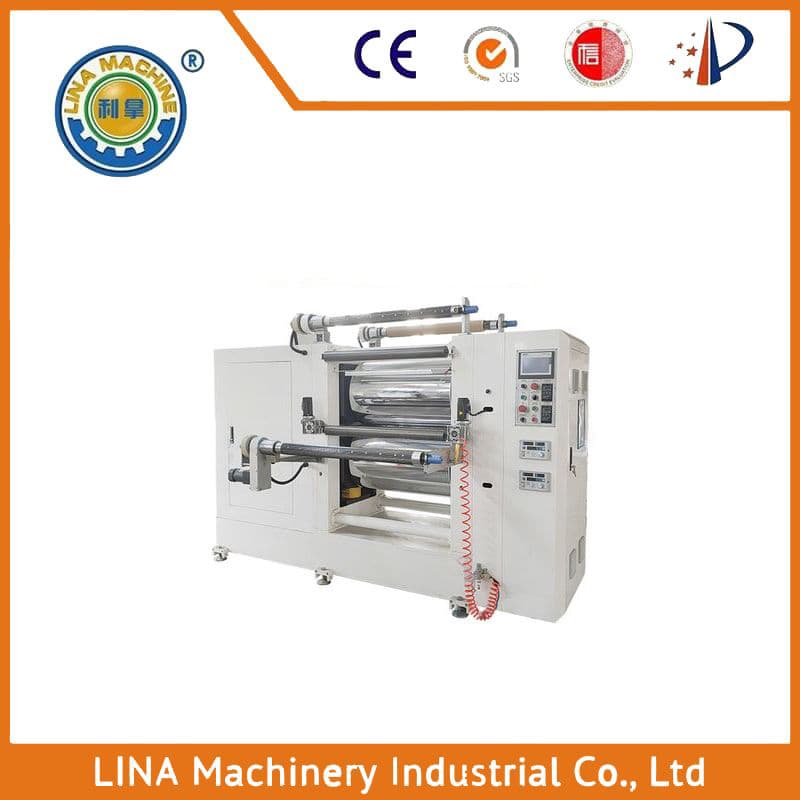
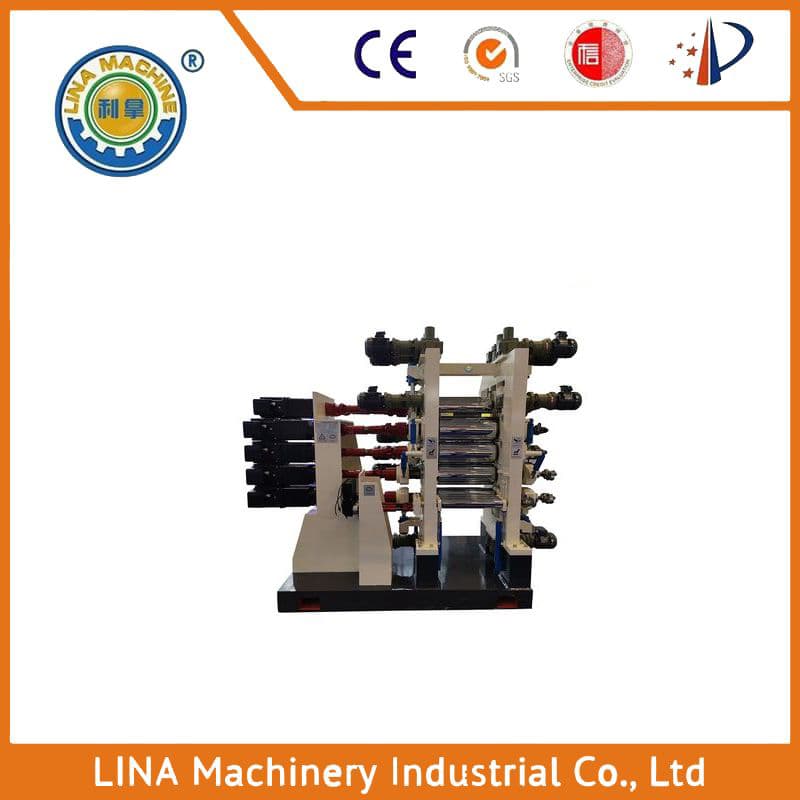
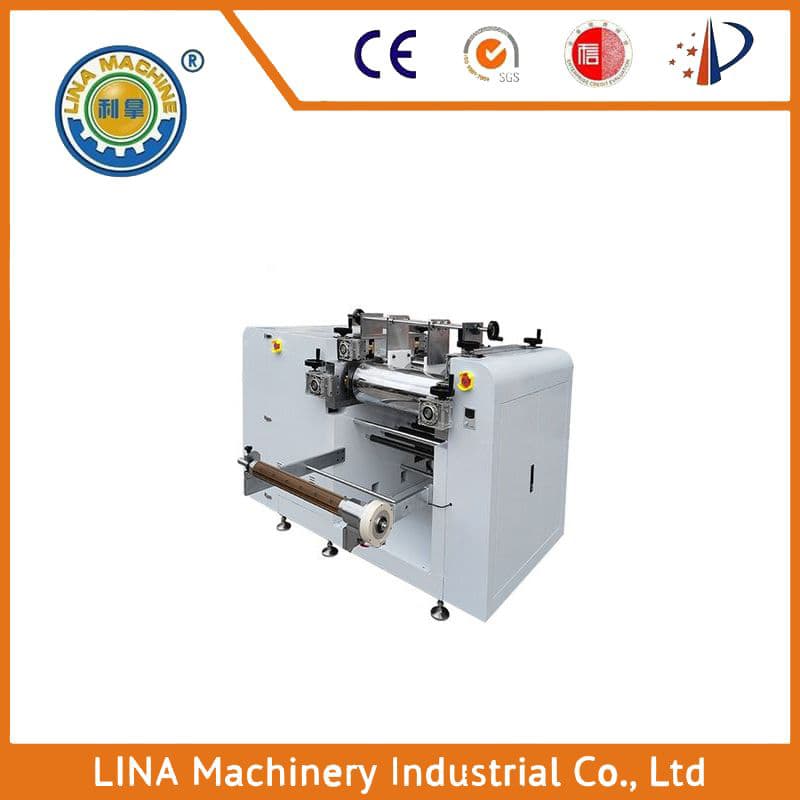
The plying process involves using a specialized machine called a "pulley press" to compress the active material into a uniform, flat sheet. The plying machine consists of a rotating roller that applies pressure to the active material while it is being fed through a die. This pressure helps to remove any air bubbles and defects from the material, resulting in a smoother surface with better electrical conductivity.
The performance of the plying machine is crucial for the quality of the final battery. It must be able to handle a wide range of materials and conditions, including different types of active materials and varying thicknesses of the active layer. Additionally, the machine must be highly accurate and reliable, with minimal downtime and high production rates.
To achieve these goals, manufacturers of lithium batteries use advanced technology and engineering design to optimize the plying machine. For example, some machines use computer-controlled systems that can adjust the pressure and speed of the rollers based on the specific requirements of the battery manufacturer. Others incorporate sensors and other sensors to monitor the quality of the active material and adjust the plying process accordingly.
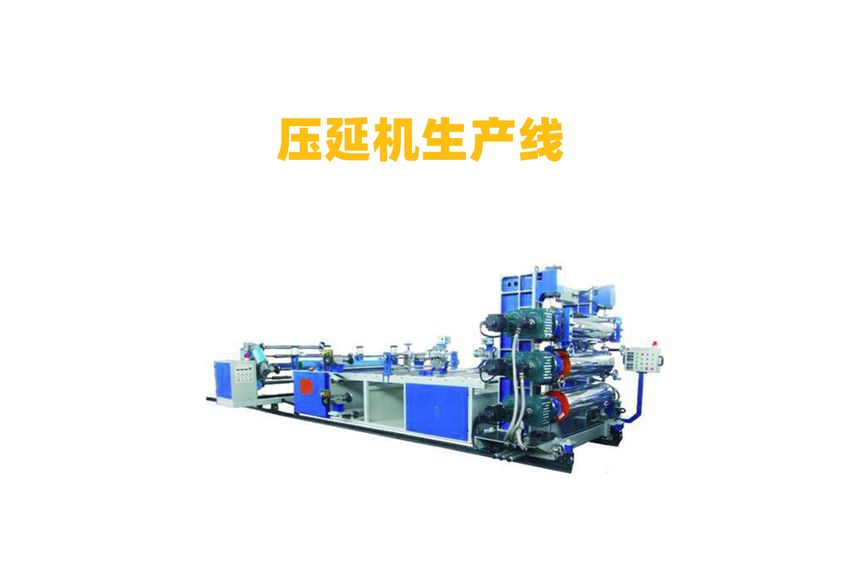
In addition to its technical importance, the plying machine also plays a role in improving safety and environmental sustainability. By reducing waste and minimizing the amount of energy used during the production process, manufacturers can reduce their carbon footprint and contribute to a more sustainable future.
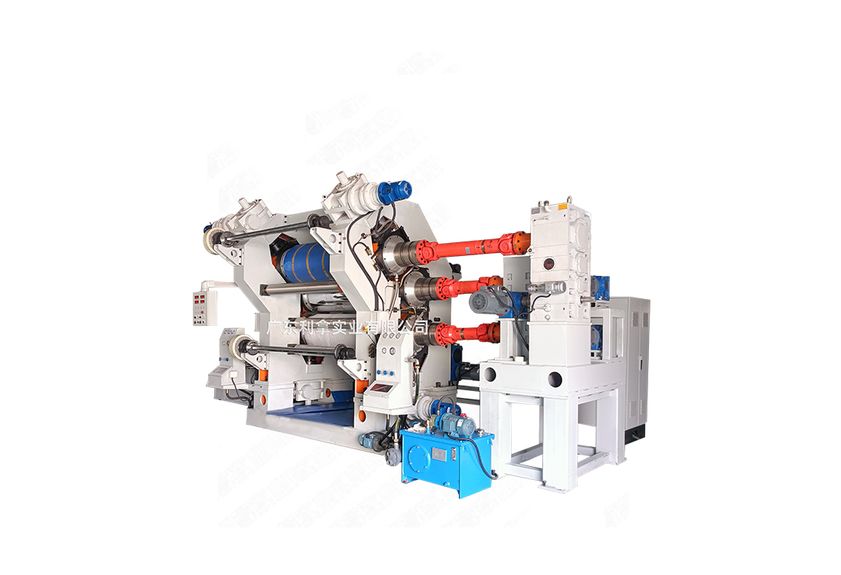
1. Lithium Battery Pulley Pressing Machine
2. Manufacturing Process
3. Active Material
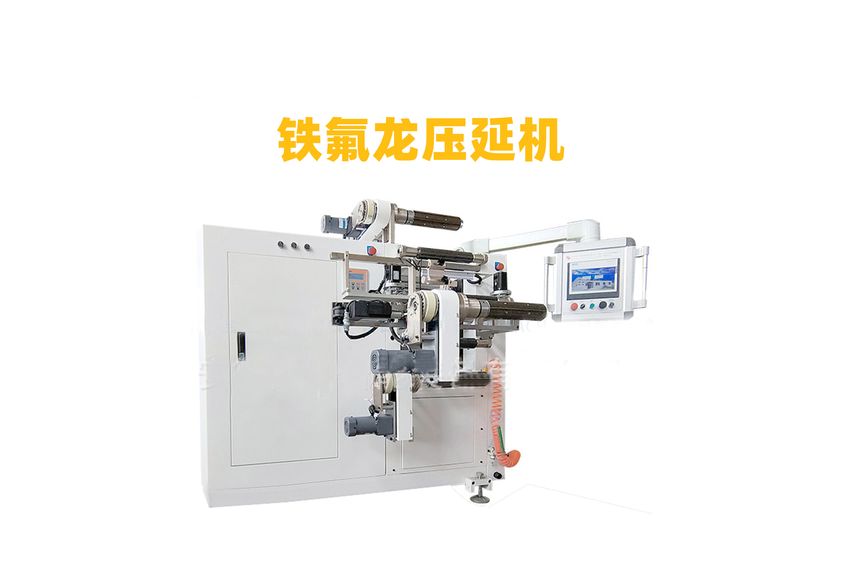
4. Electrical Conductivity
5. Production Rate
This article provides an in-depth analysis of the critical role played by the Lithium Battery Pulley Pressing Machine in the manufacturing process of lithium batteries. It discusses the importance of this machine in achieving consistent and high-quality cathode and anode plates, as well as its impact on safety, sustainability, and overall efficiency in the production of lithium batteries. The article highlights the advanced technology and engineering design used by manufacturers to optimize this machine and its potential benefits for both the industry and the environment.