
Experimental Flat-Bed Vulcanizers: A Comprehensive Guide
Flat-bed vulcanization is a crucial process in the rubber industry, wherein molten natural or synthetic rubber is pressed between two heated plates to form a solid sheet. This method is particularly useful for producing high-quality tires and other rubber products. In recent years, experimental flat-bed vulcanizers have emerged as an innovative tool for testing and refining the process. These machines offer the ability to control variables such as temperature, pressure, and time, allowing researchers to optimize the vulcanization process for specific applications.
One of the key features of experimental flat-bed vulcanizers is their flexibility. Unlike traditional industrial vulcanizers, these machines are designed to be easily customized to meet the needs of different research projects. For example, they can be equipped with sensors to measure temperature, pressure, and even moisture levels during the vulcanization process. This data can then be used to make informed decisions about how to adjust the parameters for optimal results.
Another advantage of experimental flat-bed vulcanizers is their ability to simulate real-world conditions. By using advanced simulation software, researchers can create virtual environments that mimic the physical properties of the rubber being vulcanized. This allows them to test different formulations and processing techniques without risking any actual product.
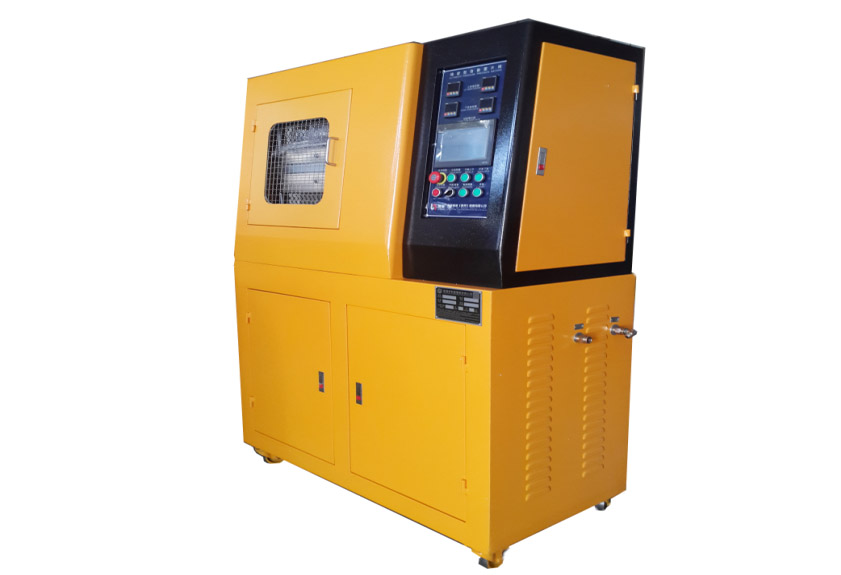
In addition to their technical benefits, experimental flat-bed vulcanizers also offer cost savings. Since they can be used for multiple experiments at once, they can significantly reduce the overall cost of research compared to using individual vulcanizers for each experiment. Furthermore, since they require less raw material than traditional vulcanizers, they can help reduce waste and environmental impact.
Overall, experimental flat-bed vulcanizers represent a significant advancement in the field of rubber technology. By offering greater control over the vulcanization process and enabling more efficient and cost-effective research, these machines are poised to play an increasingly important role in the development of new materials and products.