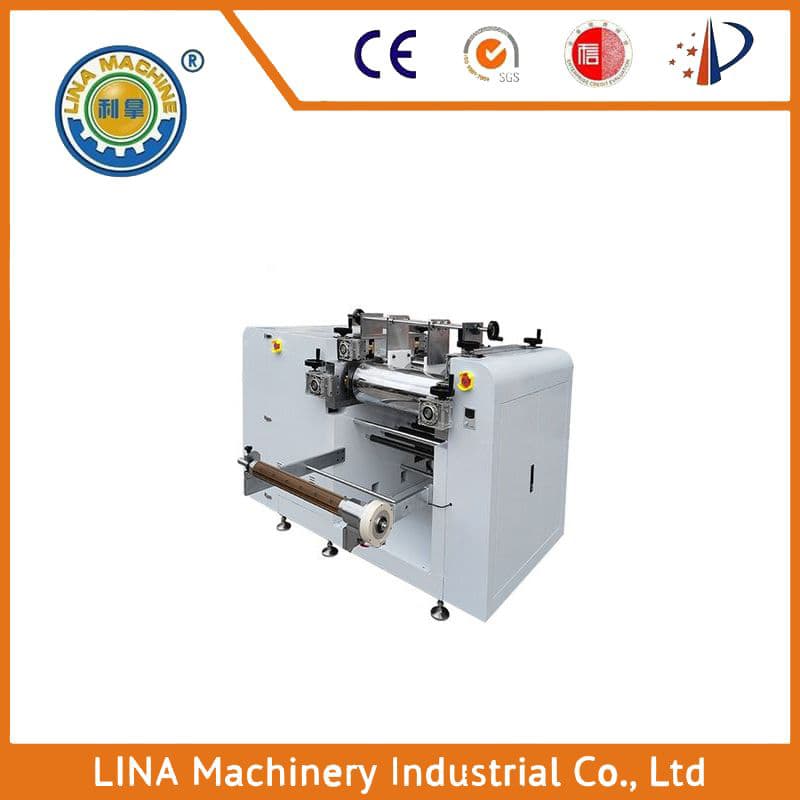
Experimental Open Roller Mills: Revolutionizing the Manufacturing Process
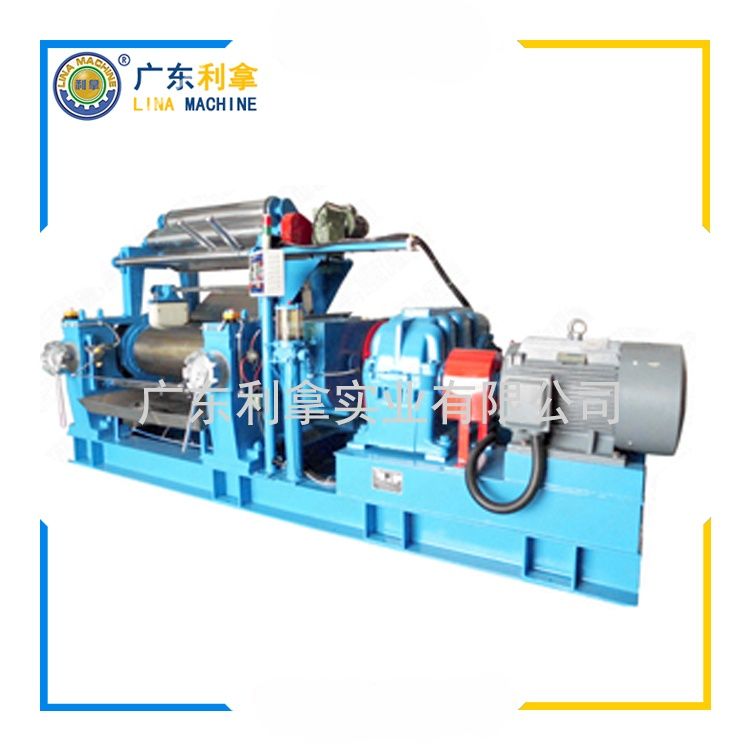
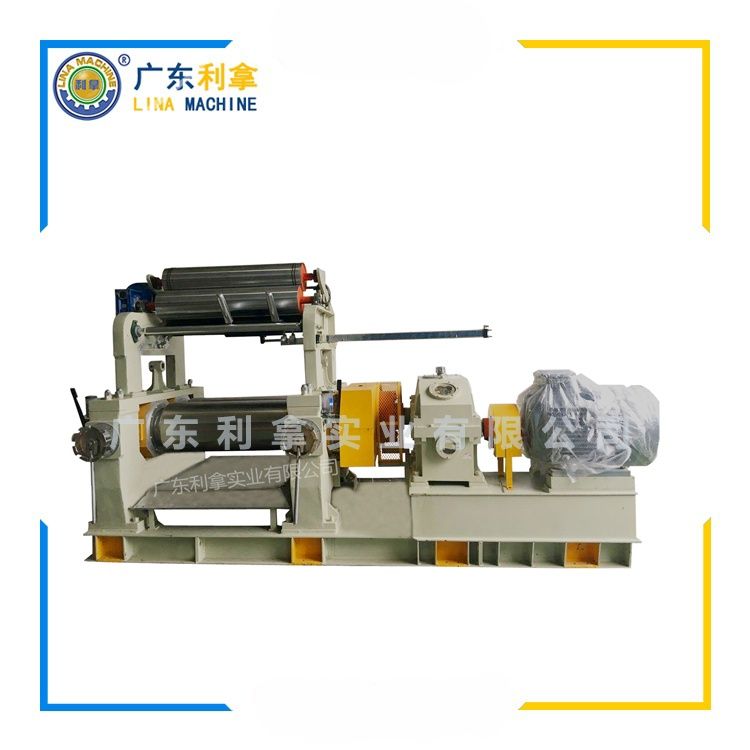
Open roller mills, also known as experimental open roll mills, have become a game-changer in the manufacturing industry. These innovative machines offer unparalleled flexibility and efficiency, enabling manufacturers to produce high-quality products with minimal waste. In this article, we will explore the key features of these machines and how they can revolutionize the way we manufacture.
Firstly, let's understand what an open roller mill is. An open roller mill is a type of mechanical mixing device that uses rollers to mix materials. Unlike traditional batch mixers, which require large amounts of space and time, open roller mills are compact and efficient. They can handle a wide range of materials, from powders to liquids, and can be used for both dry and wet mixing processes.
One of the most significant advantages of open roller mills is their ability to process a wide range of materials. These machines are capable of mixing various substances, including chemicals, plastics, and metals. This makes them ideal for industries that require customized blends or formulations. Additionally, open roller mills can be easily customized to meet specific requirements, such as temperature control or particle size adjustment.
Another important feature of open roller mills is their speed control system. These machines come equipped with advanced sensors and algorithms that allow operators to precisely control the mixing speed. This not only ensures optimal results but also reduces energy consumption and minimizes downtime.
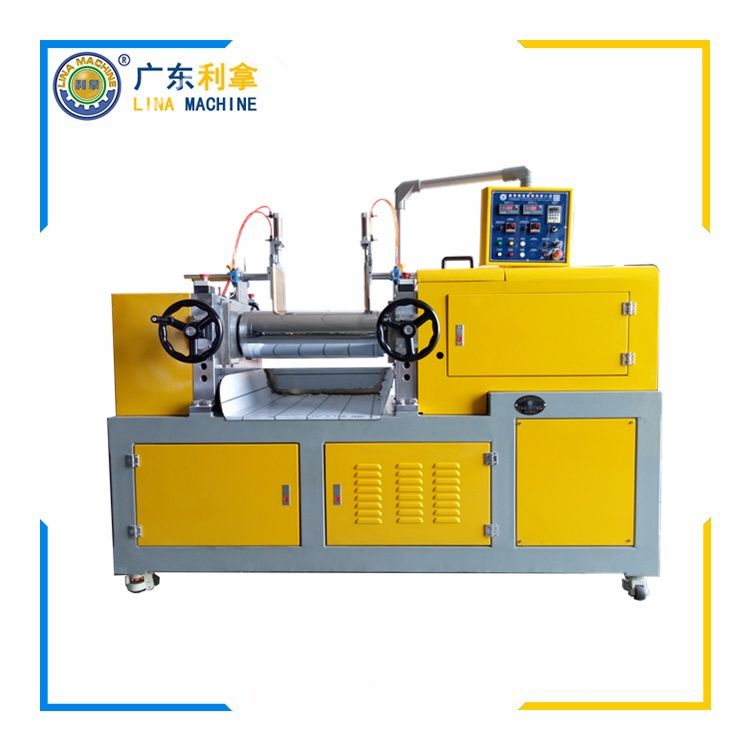
In addition to their technical advantages, open roller mills also offer cost savings. By reducing the need for specialized equipment and minimizing material handling costs, manufacturers can save money on their production process. Moreover, open roller mills can be operated by one person, making them more efficient and cost-effective than other mixing systems.
Finally, open roller mills have a positive impact on the environment. By reducing waste and minimizing emissions, these machines help to reduce carbon footprints and contribute to sustainable manufacturing practices.
In conclusion, open roller mills represent a significant advancement in the manufacturing industry. Their ability to process a wide range of materials, precise speed control, and cost-effective operation make them an essential tool for modern manufacturers. As technology continues to evolve, it is likely that open roller mills will continue to play a crucial role in shaping the future of the manufacturing landscape.