



Title: The Open-Closed Mixing ...
Title: The Open-Closed Mixing Machine: A Revolutionary Tool for the Manufacturing Industry
Open-Closed Mixing Machines are an essential tool in the manufacturing industry, providing a cost-effective and efficient way to mix raw materials into finished products. These machines are designed to handle a wide range of materials, from plastics and metals to chemicals and food products, making them ideal for a variety of industries. In this article, we will explore the key features and benefits of open-close mixing machines, as well as their potential applications in different sectors.
Key Features of Open-Closed Mixing Machines
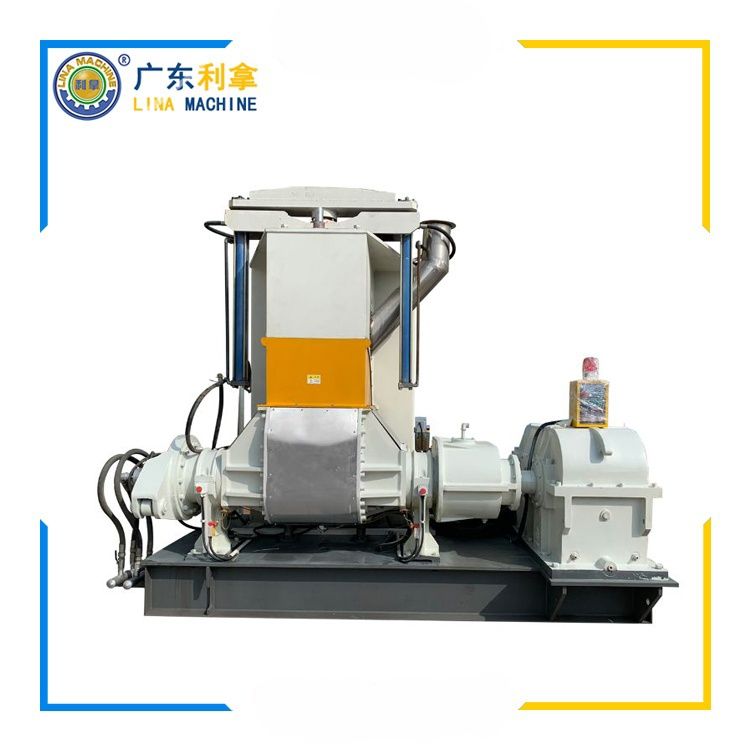
1. Versatility: Open-Closed Mixing Machines are versatile tools that can be used for a wide range of applications. They can be customized to meet specific requirements, such as temperature control, speed control, and material handling. This versatility makes them ideal for small to medium-sized businesses and large factories alike.
2. Energy Efficiency: Open-Closed Mixing Machines are designed to operate efficiently, reducing energy consumption and operating costs. They use advanced technology to optimize mixing processes, ensuring that materials are mixed thoroughly without wasting energy.
3. Safety Features: Open-Closed Mixing Machines are equipped with safety features that protect operators and the environment. These features include automatic shut-off systems, overheating protection, and dust exhaust systems, ensuring that the machine operates safely and effectively.
4. Easy Maintenance: Open-Closed Mixing Machines are easy to maintain and repair, making them a cost-effective investment for businesses. They have simple mechanisms that require minimal maintenance, making it easy for operators to keep the machine running smoothly.
Benefits of Open-Closed Mixing Machines
1. Cost-Effectiveness: Open-Closed Mixing Machines are one of the most cost-effective tools available in the manufacturing industry. They offer high efficiency and longevity, reducing the need for frequent replacements and repairs.
2. Product Quality: Open-Closed Mixing Machines ensure that raw materials are mixed thoroughly and evenly, resulting in higher quality products. This leads to improved product performance and customer satisfaction.
3. Environmental Impact: Open-Closed Mixing Machines reduce waste by minimizing the amount of raw materials used and by producing fewer emissions during operation. This reduces environmental impact and contributes to sustainable production practices.
4. Flexibility: Open-Closed Mixing Machines offer flexibility in terms of material handling and mixing processes. They can be easily adapted to meet changing needs and requirements, making them ideal for businesses that are constantly evolving.
Applications of Open-Closed Mixing Machines
1. Plastic and Rubber Manufacturing: Open-Closed Mixing Machines are widely used in the plastic and rubber manufacturing industry. They are essential for mixing raw materials such as polyethylene, polypropylene, and natural rubber, producing finished products with consistent quality and properties.
2. Food Processing: Open-Closed Mixing Machines are also used in the food processing industry for mixing ingredients such as flour, sugar, and spices. They ensure that these ingredients are mixed thoroughly and evenly, resulting in better flavor and texture.
3. Chemical Manufacturing: Open-Closed Mixing Machines are used in the chemical manufacturing industry for mixing various chemicals and solvents. They ensure that these materials are mixed thoroughly and evenly, producing high-quality chemicals with consistent properties.
Conclusion
Open-Closed Mixing Machines are a valuable tool in the manufacturing industry, offering cost-effectiveness, product quality, environmental impact, and flexibility. With their advanced technology and customizable features, they are ideal for a wide range of industries, from plastic and rubber manufacturing to food processing and chemical manufacturing. By investing in open-close mixing machines, businesses can improve their productivity, reduce costs, and create high-quality products that meet customer expectations.