



The Integration of Oak and Plastic in Composite Pellet Production Lines
In the realm of polymer processing, the integration of different materials into a single product is a common practice. One such example is the use of wood chips or other organic materials in conjunction with plastic pellets to produce composite pellets. These pellets are then used in various applications such as construction, packaging, and more. In this article, we will explore the process of creating these composite pellets using an Oak-Plastic Co-Pellet Production Line.
The first step in the process is to gather the necessary materials. This includes both the organic material (such as wood chips) and the synthetic material (such as polypropylene). The organic material is typically chopped into small pieces, while the synthetic material is melted and mixed with the organic material.
Once the materials have been gathered, they are then fed into the co-pellet production line. This line consists of several stages, each designed to separate and process the materials in a specific way. For example, some stages may be used to heat the materials, while others may be used to mix them together.
As the materials move through the line, they are subjected to various processes that help to create the final product. This may include compression, extrusion, and shaping. During these processes, the materials are bonded together and molded into the desired shape.
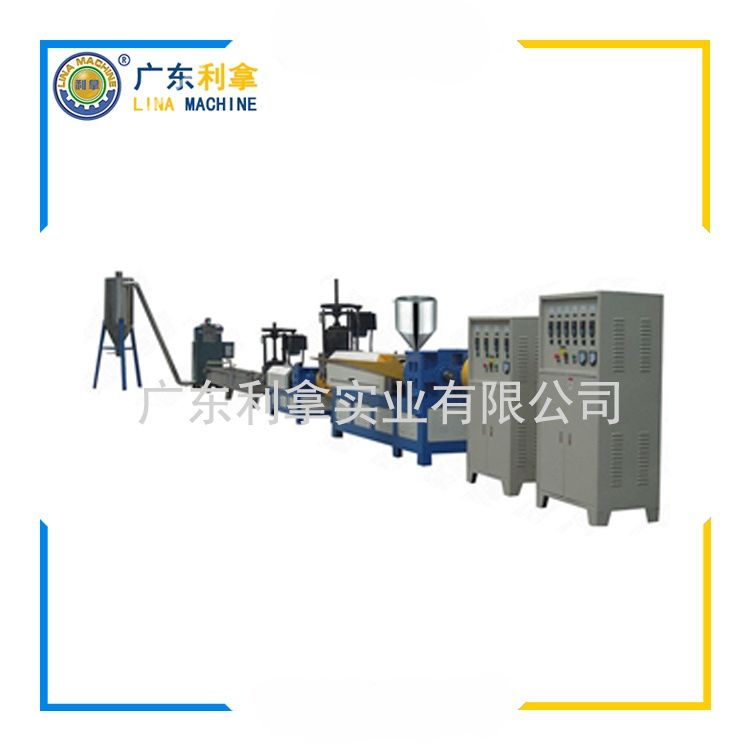
After the materials have been processed, they are then cooled and packaged for sale. The finished composite pellets can be used in a variety of ways, including as fillers in plastic products or as raw materials for new products.

1. Oak-Plastic Co-Pellet Production Line
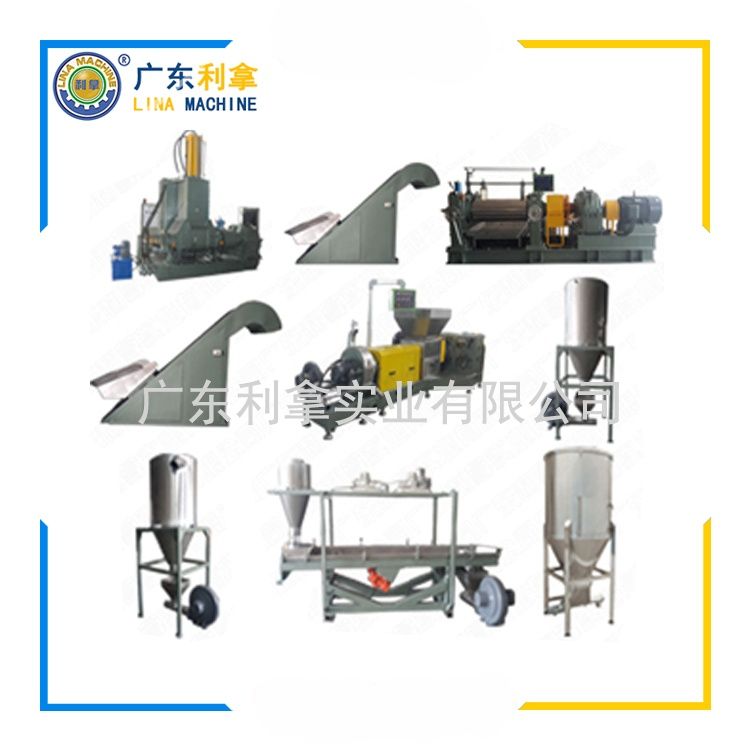
2. Wood Chips
3. Polypropylene
4. Composite Pellet Production
5. Co-Pellet Production Line
This article provides an overview of the process of creating composite pellets using an Oak-Plastic Co-Pellet Production Line. It discusses the importance of integrating organic materials like wood chips with synthetic materials like polypropylene, and how this integration helps to create a unique product that can be used in a variety of applications. The article also highlights the benefits of using a co-pellet production line, which allows for efficient and cost-effective production of these composite pellets.