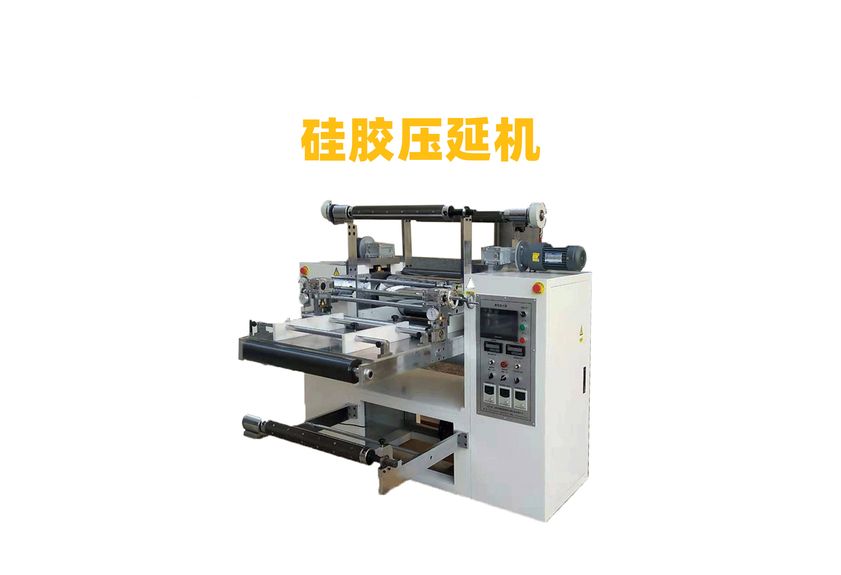
The Development and Application of Hydrogen Fuel Cell Bipolar Plate Rolling Line
The hydrogen fuel cell, a promising technology for clean energy, has attracted significant attention in recent years. One of the key components of a hydrogen fuel cell is the bipolar plate, which plays a crucial role in conducting the flow of reactants and products between the cathode and anode. To meet the high demands of the market, the production process of hydrogen fuel cell bipolar plates has undergone significant technological advancements. In this article, we will explore the development of the hydrogen fuel cell bipolar plate rolling line, including its design, manufacturing processes, and key technologies.
Design of the Hydrogen Fuel Cell Bipolar Plate Rolling Line
The design of the hydrogen fuel cell bipolar plate rolling line is crucial to ensuring the quality and consistency of the final product. The line typically includes several key components, such as the bipolar plate material preparation, rolling, annealing, and surface treatment processes. The bipolar plate material preparation stage involves selecting appropriate materials for the bipolar plate, such as graphite or carbon fiber reinforced plastics (CFRP), and preparing them through various processing methods, such as extrusion or injection molding. The rolling process is essential for shaping the bipolar plate into the desired shape and size, while the annealing process helps to improve the mechanical properties and thermal stability of the bipolar plate. Finally, the surface treatment process is used to enhance the corrosion resistance and chemical stability of the bipolar plate, which is critical for its long-term performance in the fuel cell environment.
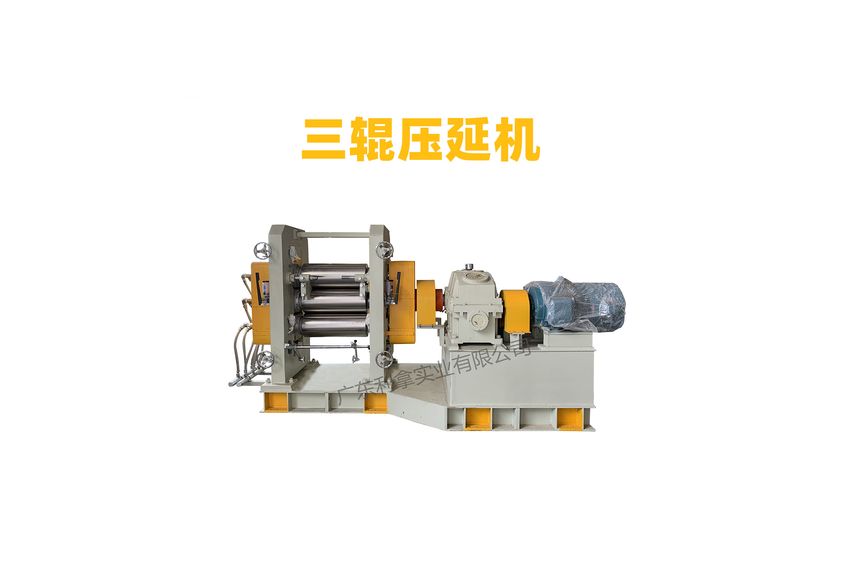
Manufacturing Processes of the Hydrogen Fuel Cell Bipolar Plate Rolling Line
The manufacturing process of the hydrogen fuel cell bipolar plate rolling line involves several key steps, including raw material preparation, cutting, bending, and assembly. Raw material preparation involves selecting suitable materials for the bipolar plate, such as graphite or CFRP, and preparing them through various processing methods, such as extrusion or injection molding. Cutting is used to remove any excess material from the bipolar plate during the rolling process, while bending is necessary to achieve the desired shape and size of the bipolar plate. Assembly involves connecting the bipolar plates together using bolts or other fasteners, and testing the assembled bipolar plate for functionality and performance.
Key Technologies of the Hydrogen Fuel Cell Bipolar Plate Rolling Line
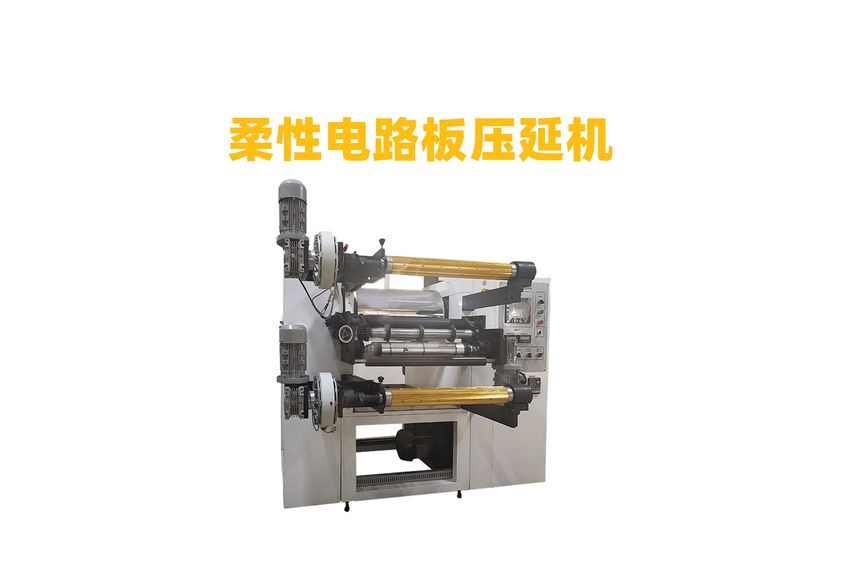
To ensure the quality and consistency of the final product, several key technologies have been developed in the hydrogen fuel cell bipolar plate rolling line. One important technology is the use of advanced materials, such as graphite or CFRP, which can withstand the harsh conditions of the fuel cell environment and provide excellent mechanical properties and thermal stability. Another key technology is the application of intelligent manufacturing systems, which can optimize the production process and improve efficiency and accuracy. Additionally, environmental protection technologies have also been incorporated into the production process, such as waste reduction and recycling, to minimize environmental impacts.
Conclusion
The development of the hydrogen fuel cell bipolar plate rolling line has played a vital role in promoting the growth of the hydrogen fuel cell industry. By adopting advanced design and manufacturing technologies, along with key technologies such as intelligent manufacturing systems and environmental protection measures, manufacturers can produce high-quality and consistent bipolar plates that meet the needs of the market. As the demand for clean energy continues to grow, the development of the hydrogen fuel cell bipolar plate rolling line will continue to play a crucial role in driving innovation and progress in the field of renewable energy.