The Art of Ceramic Powder Milling Machinery
Ceramic powder milling machines are an essential tool in the ceramics industry, used to produce high-quality ceramic powders for various applications. These machines work by crushing and mixing ceramic raw materials, such as clay, oxides, and other refractory materials, into a fine powder that can be molded and fired at high temperatures. The process of milling is crucial for producing consistent and uniform powders with a high degree of purity, which are essential for the quality of the final product.
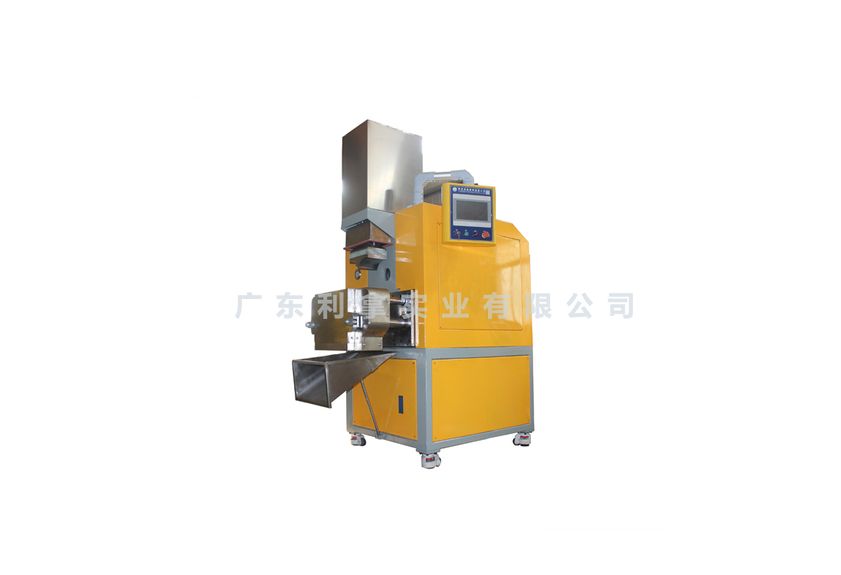
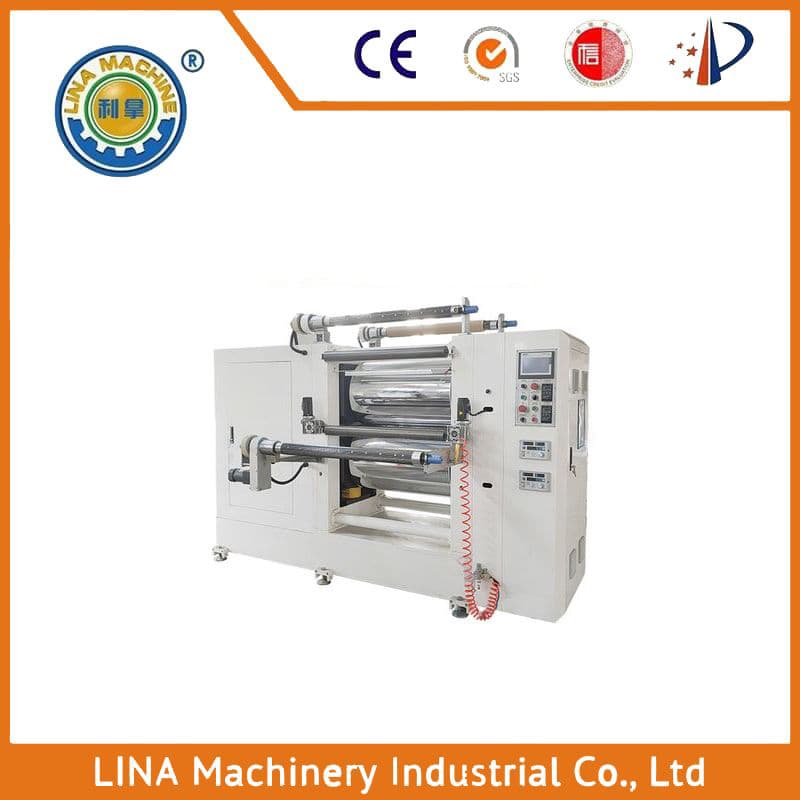
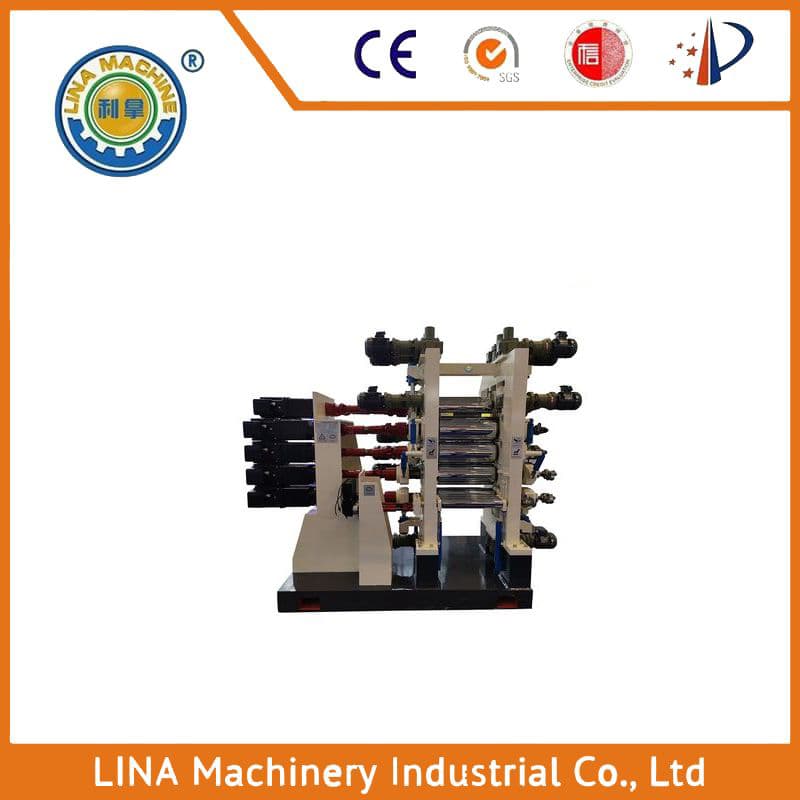
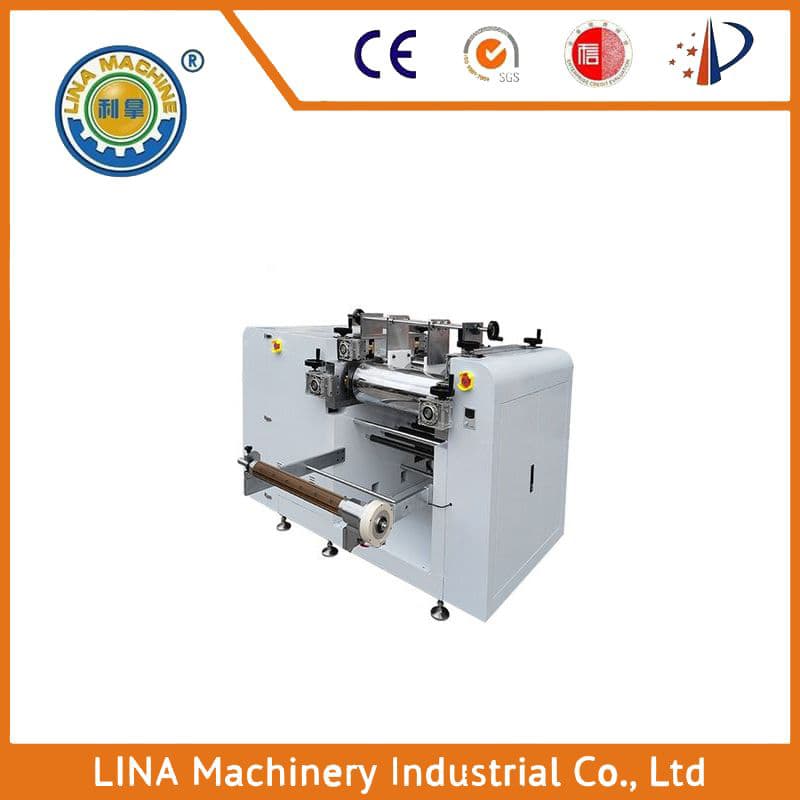
The ceramic powder milling machine consists of several components, including a rotating grinding roller, a stationary grinding plate, a feeder system, and a discharge mechanism. The grinding roller rotates inside the grinding plate, which is mounted on a shaft. The raw materials are fed into the machine through a hopper and then mixed with the grinding roller. As the roller rotates, it crushes the material and forces it to flow down the surface of the grinding plate. This process is repeated multiple times until the desired level of fineness is achieved.
The ceramic powder milling machine is designed to operate at high speeds and pressures, which helps to achieve the desired particle size distribution. The grinding process also involves the use of different types of grinding media, such as steel balls or ceramic balls, depending on the specific application requirements. These media help to break down the material and create smaller particles that are easier to handle and mold.
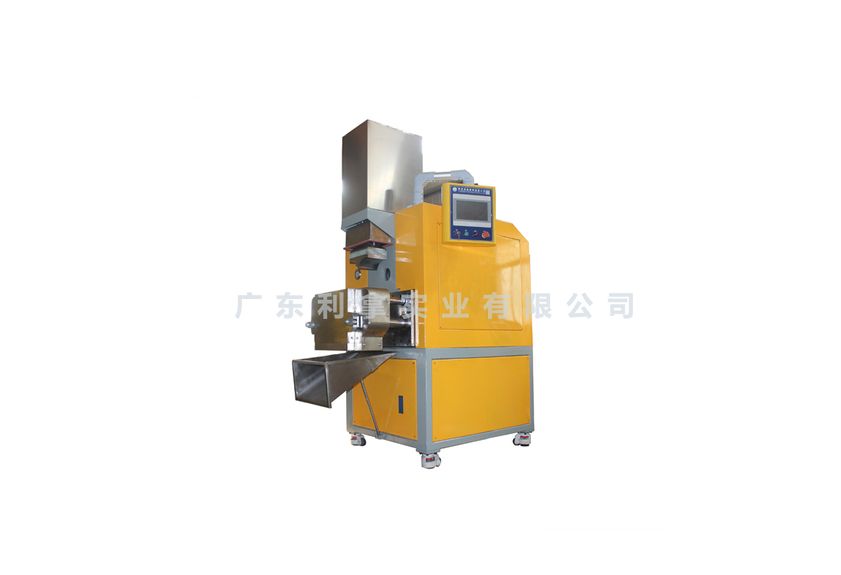
In addition to its technical features, the ceramic powder milling machine is also designed to be energy efficient. Many modern machines use advanced technologies such as variable frequency drives (VFD) and sensors to monitor and control the speed and pressure of the grinding process. This allows for more precise control over the milling process, resulting in better quality products and reduced energy consumption.
Overall, the ceramic powder milling machine is a powerful tool that plays a crucial role in the production of high-quality ceramic powders. Its ability to produce consistent and uniform powders with a high degree of purity makes it an essential component in the ceramics industry. With advances in technology, these machines continue to evolve and improve, making them even more valuable in the future.