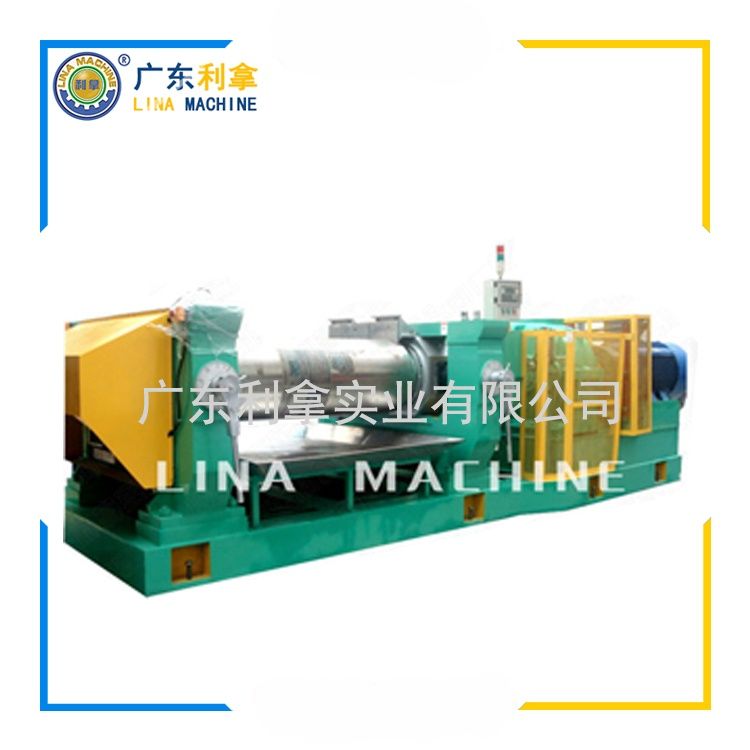
The Role of Two Roll Mills in the Rubber Industry
The two-roll mill is a crucial piece of equipment in the rubber industry, used to process natural and synthetic rubber compounds. It is a mechanical device that uses two rotating rollers to mix and knead the raw materials into a homogeneous mixture. This process is essential for producing high-quality rubber products, such as tires, hoses, and gloves.
The two-roll mill consists of two parallel metal plates that rotate at different speeds. The outer plate moves faster than the inner plate, causing the material to be stretched between the two plates. This stretching action helps to break down large molecules into smaller ones, making it easier for the rubber to flow and mix.
The two-roll mill is designed to handle a wide range of rubber compounds, including natural rubber, polyurethane, and silicone. It can also be used to mix different types of fillers, accelerators, and other additives into the rubber. This allows for customized production of specific rubber products, which is essential for meeting the needs of various industries.
One of the benefits of using a two-roll mill is its ability to produce high-quality rubber products with consistent properties. The machine's precise control over the mixing process ensures that the final product meets industry standards and specifications. Additionally, the two-roll mill is relatively easy to maintain and operate, making it a popular choice for many rubber manufacturers.

However, like any other piece of machinery, the two-roll mill requires regular maintenance and inspection to ensure its optimal performance. Failure to do so could lead to reduced efficiency, increased production costs, or even safety hazards. Therefore, it is important for rubber manufacturers to invest in proper maintenance procedures and hire experienced technicians to keep the two-roll mill running smoothly.
In conclusion, the two-roll mill is an essential tool in the rubber industry, used to process a wide range of rubber compounds into high-quality products. Its precise mixing capabilities make it a popular choice for many manufacturers, but regular maintenance is necessary to ensure its long-term success. By understanding its role and importance, rubber manufacturers can optimize their production processes and meet the demands of their customers.