



The Role of the Three-Roll Rolling Press in Metal Forming
The three-roll rolling press is a versatile and efficient tool used in metal forming industries for shaping various metal sheets into desired shapes. This machine is widely used in the automotive, aerospace, and construction sectors, among others. Its unique design allows it to perform complex operations such as bending, rolling, and drawing, making it an essential piece in the production process.
The three-roll rolling press consists of three main components: the upper roll, the lower roll, and the intermediate roll. These rolls are arranged in a specific pattern that ensures uniform deformation of the metal sheet. The upper and lower rolls are connected by a pivot point, allowing them to rotate around this point while maintaining a fixed distance between them. This configuration creates a gap between the two rolls, which is filled with the workpiece.
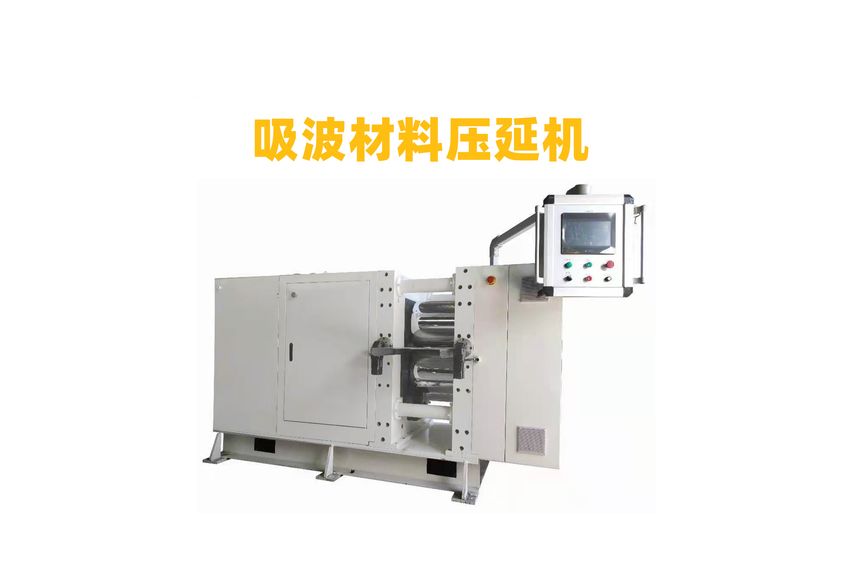
The operation of the three-roll rolling press involves feeding the workpiece into the gap between the rolls. The upper and lower rolls then move towards each other, causing the workpiece to be deformed and stretched. As the rolls continue to move, they gradually close the gap, creating a continuous strip of metal that can be further processed or cut.
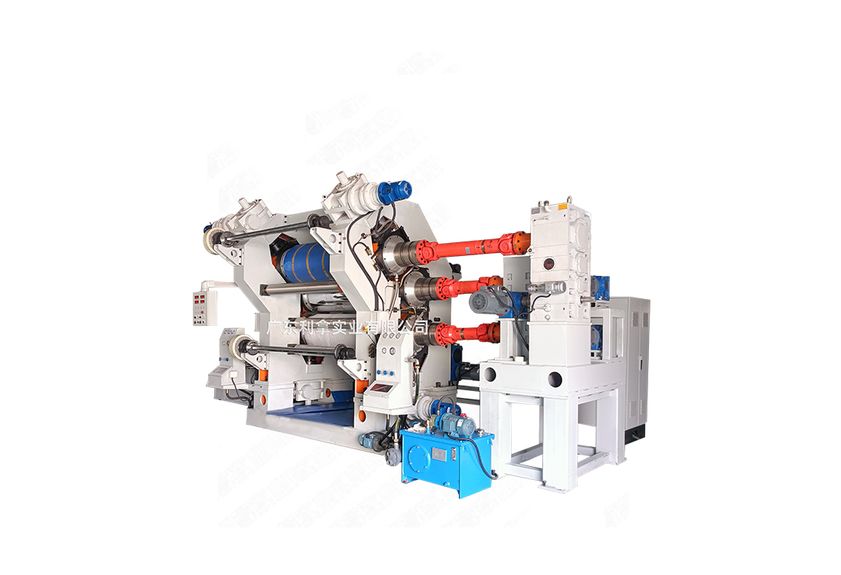
One of the key advantages of the three-roll rolling press is its ability to produce high-quality products with minimal waste. By controlling the speed and pressure applied to the workpiece, manufacturers can achieve precise dimensions and surface finishes. Additionally, the use of advanced materials and techniques in the design of the machine allows for even more precise control over the final product.
In conclusion, the three-roll rolling press is a critical component in the metal forming industry, providing a range of benefits including efficiency, precision, and cost-effectiveness. Its unique design and capabilities make it an ideal choice for a wide range of applications, from small-scale manufacturing to large-scale industrial production.