



The Laboratory Rolling Mill: A Critical Tool for Chemical and Materials Science
The laboratory rolling mill, also known as a laboratory extruder or laboratory mixer, is an essential tool in the laboratory environment. It is used to mix, knead, and blend various materials, such as powders, liquids, and solids, to create homogeneous mixtures that can be further processed into finished products. In this article, we will explore the features, applications, and maintenance of a typical laboratory rolling mill.
Features of a Laboratory Rolling Mill:

1. Size and Capacity: Laboratory rolling mills come in various sizes and capacities, ranging from small handheld models to large industrial-scale machines. The size and capacity of the mill determine its suitability for specific applications and the amount of material it can handle.
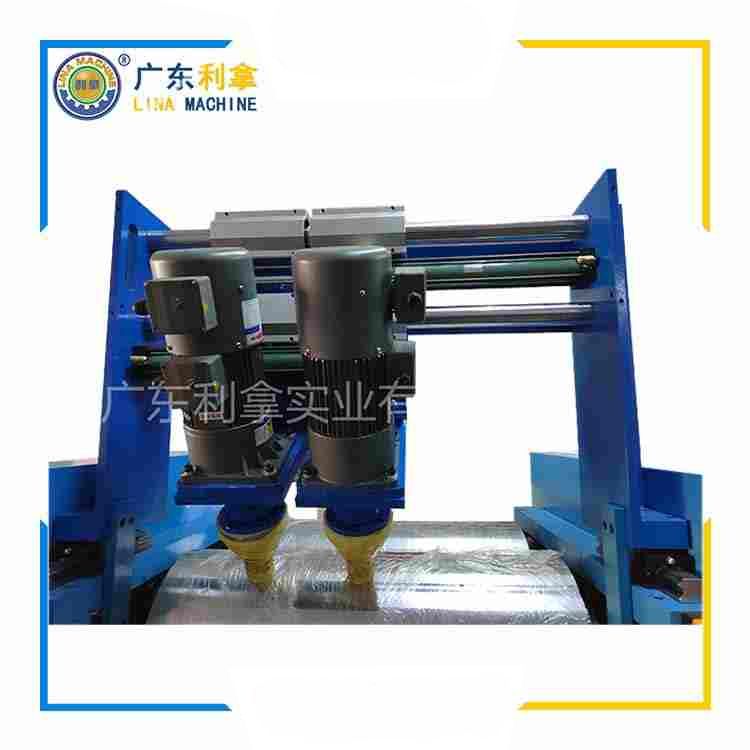
2. Speed Control: Most laboratory rolling mills have speed control mechanisms that allow users to adjust the rotational speed of the mill to achieve the desired mixing efficiency. This feature is particularly important when working with sensitive materials or when producing high-quality products.
3. Mixing Chamber Design: The mixing chamber of a laboratory rolling mill is designed to ensure even mixing of materials. Some models have multiple chambers or rotors, allowing for more complex mixing processes.
4. Power Source: Laboratory rolling mills are powered by either AC or DC power sources, depending on their size and application. Some models also have built-in batteries for emergency use.

Applications of a Laboratory Rolling Mill:
1. Chemical Analysis: Laboratory rolling mills are commonly used in chemical analysis laboratories to mix and analyze samples. They enable researchers to quickly prepare and process samples for various analytical techniques, such as spectrophotometry, chromatography, and electrophoresis.
2. Materials Science: In materials science research, laboratory rolling mills are used to mix and process materials to improve their properties, such as strength, toughness, and wear resistance. These mills are particularly useful in the development of new materials and in the optimization of existing ones.
3. Biomedical Research: In biomedical research, laboratory rolling mills are used to mix and process biological samples, such as cells, tissues, and organs. These mills enable researchers to study the effects of different treatments on biological systems and develop new therapeutic approaches.
Maintenance of a Laboratory Rolling Mill:
1. Cleanliness: To maintain the quality of the mixing process, it is essential to clean the laboratory rolling mill regularly. This includes removing any debris or contaminants from the mixing chamber and ensuring that all parts are properly lubricated.
2. Lubrication: Proper lubrication is crucial for the smooth operation of a laboratory rolling mill. Users should follow the manufacturer's instructions for selecting the appropriate lubricant and applying it regularly to prevent wear and tear on the machine.
3. Maintenance Checks: Regular maintenance checks should be conducted on the laboratory rolling mill to identify any potential issues before they become major problems. This includes checking the speed control mechanism, mixing chamber design, and other critical components.
1. Laboratory Rolling Mill
2. Chemical Analysis
3. Materials Science
4. Biomedical Research
5. Lubrication
6. Maintenance Checks
7. Speed Control Mechanism
8. Mixing Chamber Design
9. Power Source
10. Quality of the Mixing Process
The laboratory rolling mill is a versatile tool that plays a crucial role in various scientific fields, including chemical analysis, materials science, and biomedical research. With its ability to mix and process materials efficiently, it enables researchers to quickly prepare and analyze samples for various analytical techniques. Additionally, its compact size and adjustable speed control make it ideal for use in small laboratory settings. By following proper maintenance procedures, users can ensure the quality of the mixing process and extend the lifespan of the lab rolling mill.