The Art of Mixing: A Comprehensive Guide to the Blender
In the realm of industrial machinery, the blender stands as a beacon of precision and efficiency. At its core, the blender is a device that transforms raw materials into a homogeneous mixture, often with minimal effort. This versatile tool has found its way into countless industries, from pharmaceuticals to food processing, where it plays a crucial role in ensuring consistency and quality.
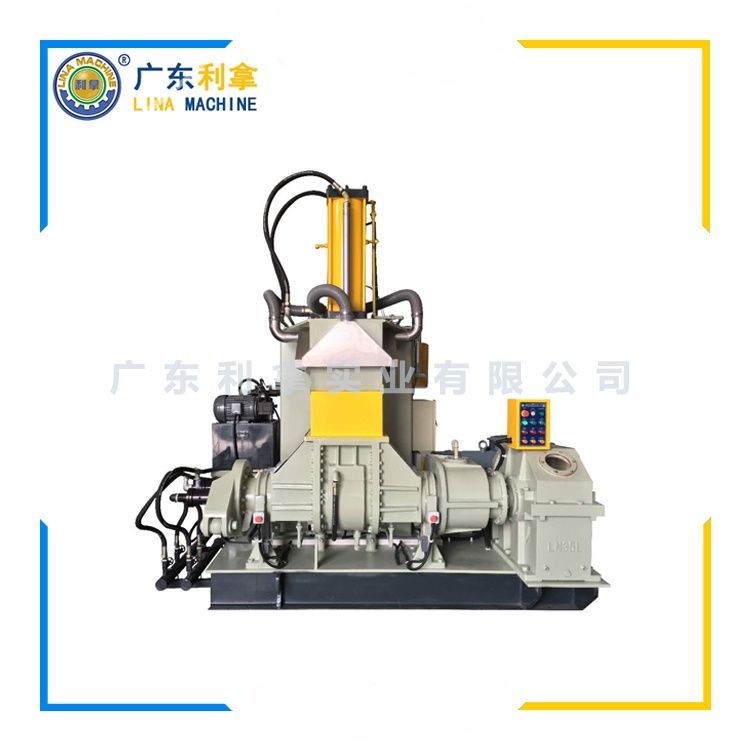
At its most basic level, the blender consists of a rotating drum or bowl that contains the ingredients to be mixed. Powered by a motor, the blender spins at high speeds, causing the ingredients to come into contact with each other and form a uniform mixture. The process is aided by various attachments, such as blades, whisks, and knives, which can be used to break down solids or mix liquids more effectively.
The design of a blender is critical to its performance. Some models feature multiple speed settings, allowing for precise control over the mixing process. Others have built-in sensors that monitor temperature and pressure, ensuring that the ingredients are being processed safely. Additionally, some blenders have features like automatic shutoffs and safety locks, making them safer to use even when not in use.
One of the key benefits of using a blender is its ability to produce consistent results. Whether you're mixing powders, liquids, or both, a blender can help you achieve a smooth and uniform texture. This is particularly important in the food industry, where consistency is key to maintaining flavor and quality.
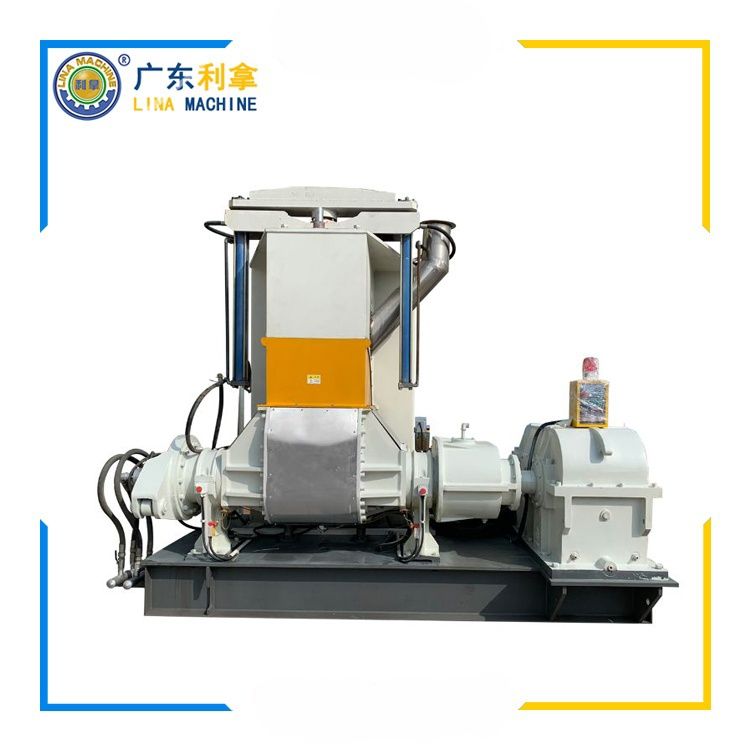
Another advantage of blenders is their versatility. They can handle a wide range of materials, from simple ingredients like sugar and flour to complex mixtures like emulsions and pastes. This means that they can be used in a variety of applications, from personal kitchens to large-scale production facilities.
Despite their many benefits, there are also some drawbacks to consider. For example, blenders can be expensive to purchase and maintain, and they require regular cleaning to keep them running efficiently. Additionally, some users may find them difficult to operate, especially if they are new to the concept of using a blender.
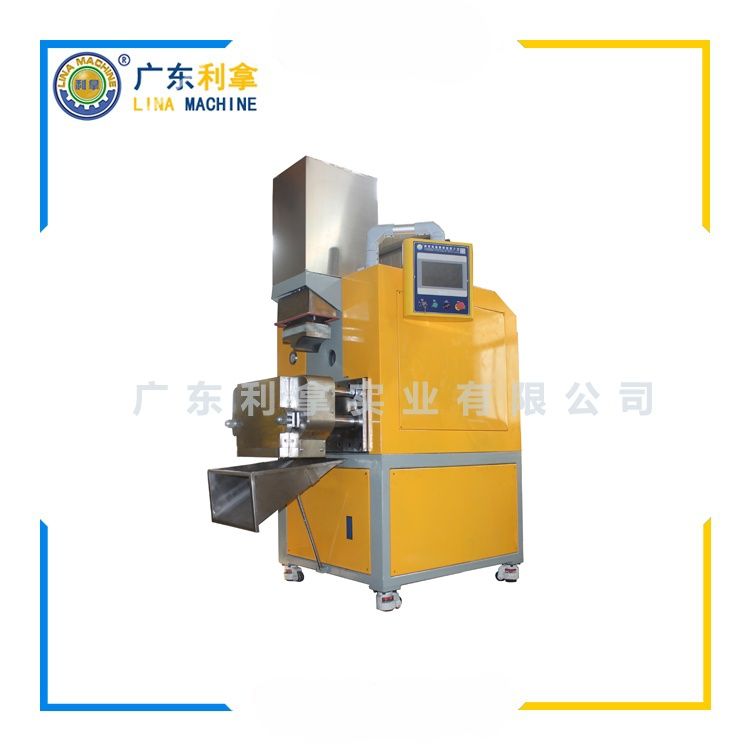
In conclusion, the blender is an essential tool in any industrial setting. Its ability to produce consistent results and its versatility make it a valuable asset in a wide range of industries. By understanding the different types of blenders available and how to use them effectively, you can take full advantage of this powerful machine and achieve your desired outcomes.