



The Art of Making Particles from Ceramic Powder
Ceramic powder is a crucial component in the production of ceramic products, such as porcelain and glazed pottery. To achieve the desired properties of these products, it is necessary to process the ceramic powder into a uniform and stable particle size distribution. This is where the role of the ceramic powder granulator comes into play.
The ceramic powder granulator is a specialized machine that uses mechanical or gas pressure to break down the ceramic powder into smaller particles. It consists of several key components, including a hopper, a conveyor belt, a granulator head, and a cyclone separator. The hopper collects the ceramic powder, which is then fed into the conveyor belt. As the belt moves, the ceramic powder is subjected to high-speed rotational forces, causing it to break down into smaller particles.
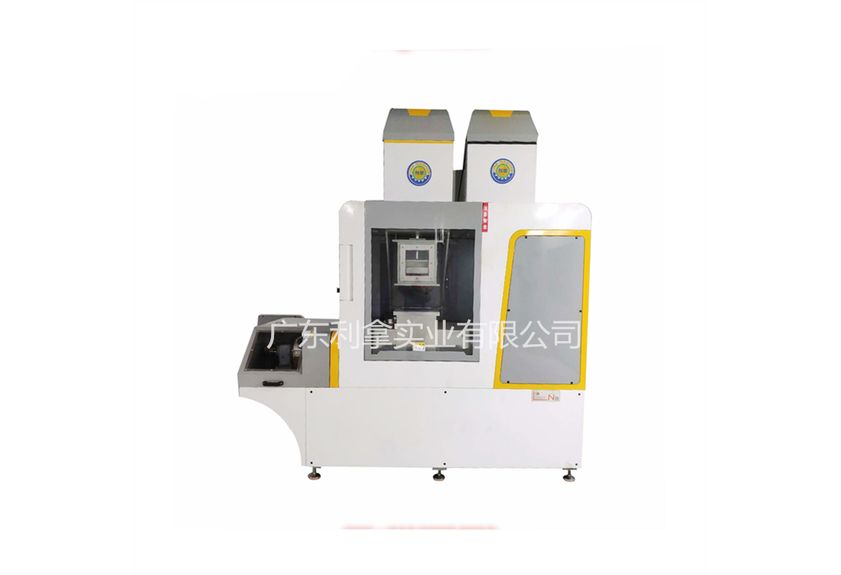
The granulator head is designed to withstand the high-speed rotation and crushing forces generated by the belt. It consists of a series of rotating blades that crush the ceramic powder and eject it into the cyclone separator. The cyclone separator is a powerful air classifier that separates the fine particles from the larger ones. The fine particles are collected in the cyclone's bottom chamber, while the larger particles are carried away by the airflow.
Once the ceramic powder has been granulated, it can be further processed into various forms, such as pellets, flakes, or even molded into finished products. The granulation process not only improves the physical properties of the ceramic powder but also enhances its chemical stability and reactivity.
In conclusion, the ceramic powder granulator is an essential tool in the ceramic industry for producing high-quality ceramic products. Its ability to granulate ceramic powder into uniform and stable particle sizes is crucial for achieving the desired properties of these products. As technology continues to advance, we can expect to see even more sophisticated granulation machines that will continue to revolutionize the ceramic industry.