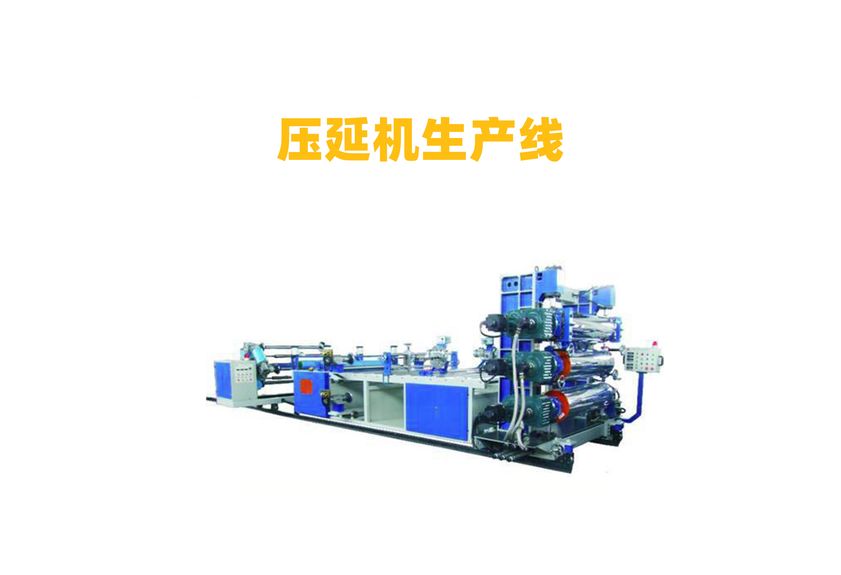
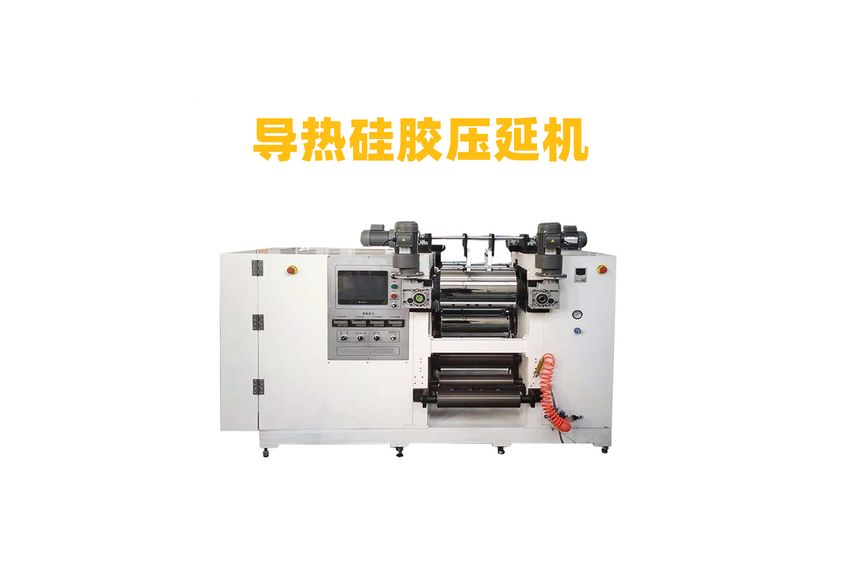
Ultra-Thin, High Precision Rolling Press
The development of ultra-thin and high precision rolling presses has revolutionized the manufacturing industry. These machines are designed to produce parts with a thickness of just a few millimeters, making them ideal for applications such as microelectronics, biomedical devices, and precision instruments. The key features of these presses include their ability to achieve extremely low surface roughness, high accuracy, and high productivity.
One of the key advantages of ultra-thin rolling presses is their ability to produce parts with a very thin wall thickness. This allows for the fabrication of complex geometries and shapes that would be impossible to achieve using traditional methods. Additionally, these presses can be used to manufacture parts with a high degree of precision, which is essential in many industries, such as aerospace and automotive.
Another important feature of ultra-thin rolling presses is their ability to operate at high speeds. This allows for faster production times and reduces the overall cost of manufacturing. The use of advanced control systems also makes it possible to precisely control the temperature and pressure during the rolling process, further enhancing the quality of the parts produced.
In addition to their technical advantages, ultra-thin rolling presses also have a significant impact on environmental sustainability. By reducing the amount of material required for each part, these presses can help to reduce waste and minimize the need for energy-intensive processes. Furthermore, the use of renewable energy sources in the operation of these presses can further contribute to reducing carbon emissions and promoting sustainable manufacturing practices.