



The Art of Mixing: An Introduction to the Homogenizer
The art of mixing is a fundamental aspect of industrial processes, and one that has been refined over centuries. In the realm of chemical engineering and materials science, homogenizers are perhaps the most critical tools used in achieving uniform distribution of materials. These machines work by rapidly rotating impellers that disperse the mixture evenly across a large volume, ensuring consistency and quality control throughout the manufacturing process.
A homogenizer's primary function is to break down the structure of a fluid or solid material into smaller, more uniform particles. This is achieved through the shear forces generated by the impellers, which disrupt the molecules within the mixture. By doing so, the resulting product is free from any visible lumps or clumps, making it easier to handle and transport.
In addition to its practical applications, homogenizers also play a crucial role in the development of new products. For example, in the food industry, homogenizers are used to create emulsions, which are essential for many sauces, dressings, and other flavorful concoctions. By breaking down fats and proteins into tiny particles, these machines help to enhance the texture and flavor of the final product.
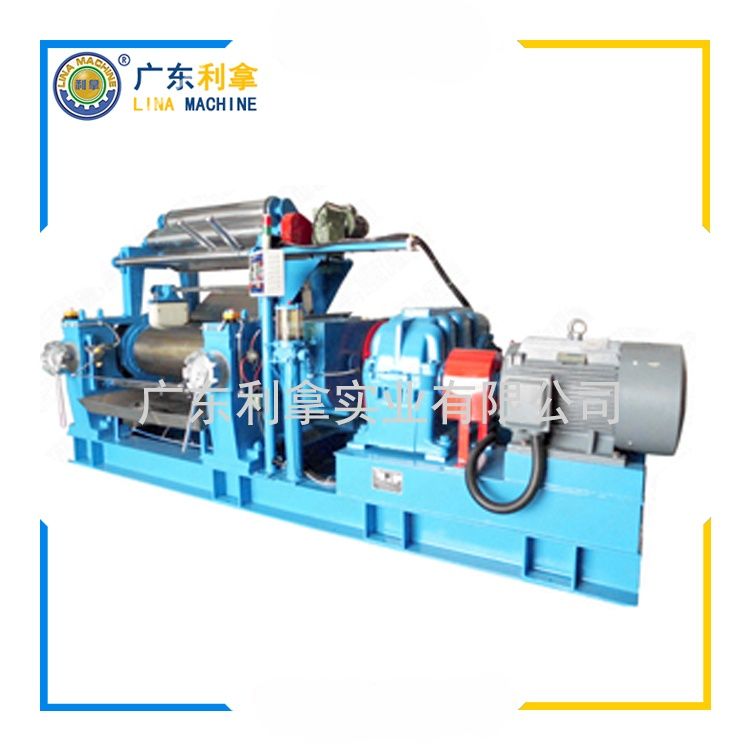
Another area where homogenizers are indispensable is in the production of pharmaceuticals. In this industry, homogenizers are used to create suspensions of active ingredients, which can be more easily absorbed by the body. This makes them ideal for drugs like vaccines and injectable medications.
Despite their importance, homogenizers are not without their challenges. One of the main concerns is the potential for contamination during the mixing process. To mitigate this risk, manufacturers must ensure that their equipment is thoroughly cleaned and maintained to prevent any unintended contamination.
Another issue is the energy consumption required by some homogenizers. As the speed of rotation increases, so does the amount of energy needed to operate the machine. This can be a significant cost factor for businesses operating on tight budgets.
In conclusion, homogenizers are an essential tool in the world of industrial processes. From the development of new products to the production of pharmaceuticals, these machines have revolutionized the way we approach material processing. As technology continues to advance, it is likely that we will see even more innovative uses for homogenizers in the years to come.