
#Introduction to Plasticizing ...
#Introduction to Plasticizing Machinery
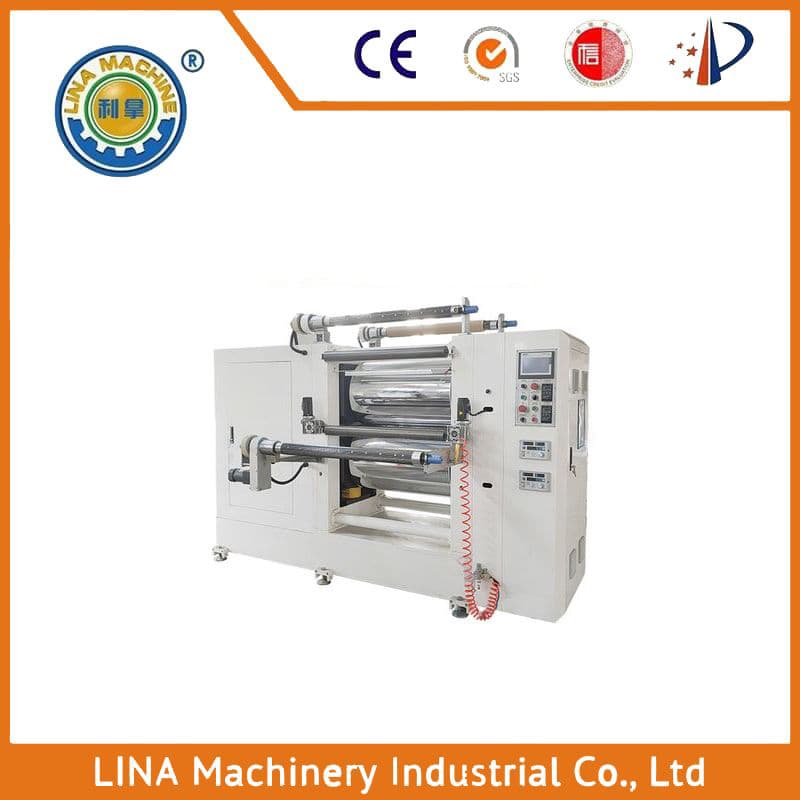
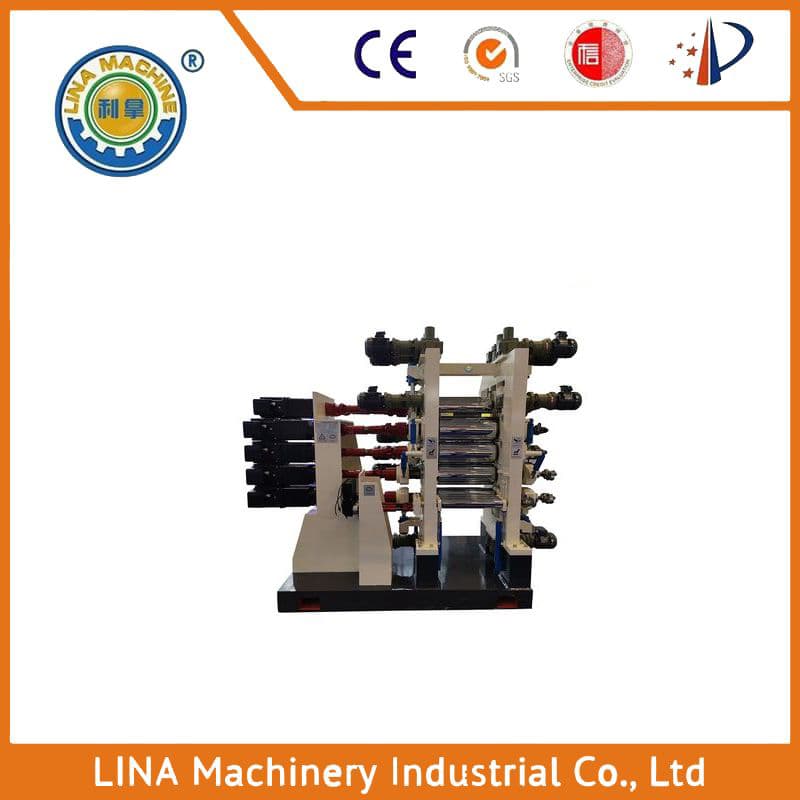
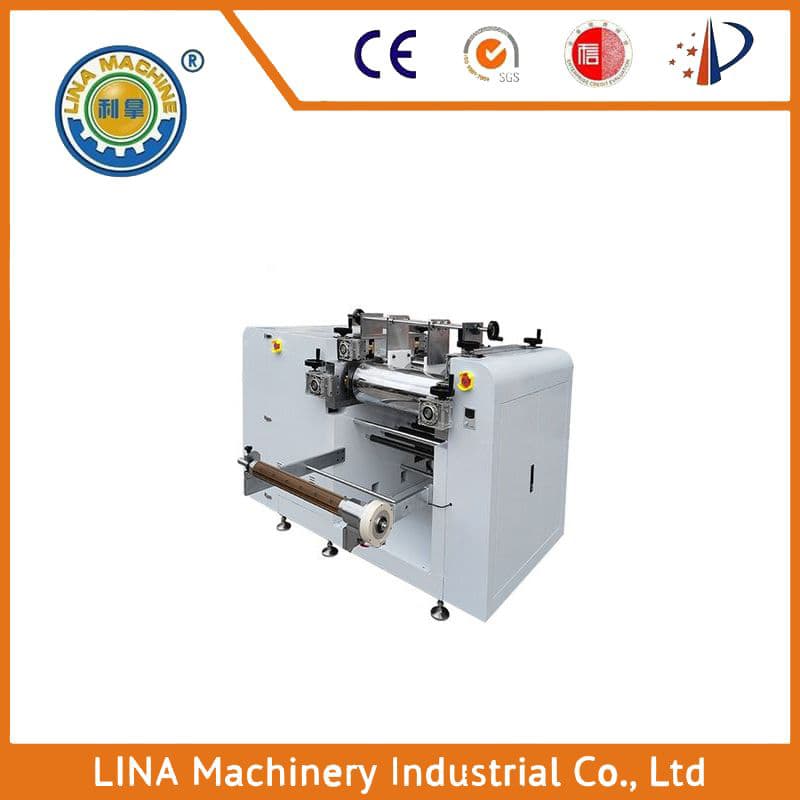
Plasticizing machines are designed to manipulate polymers into desired shapes and sizes using heat and pressure. These machines are essential for industries such as automotive, electronics, and packaging, where precise molding is required.
---
#The Process of Plasticizing Machinery

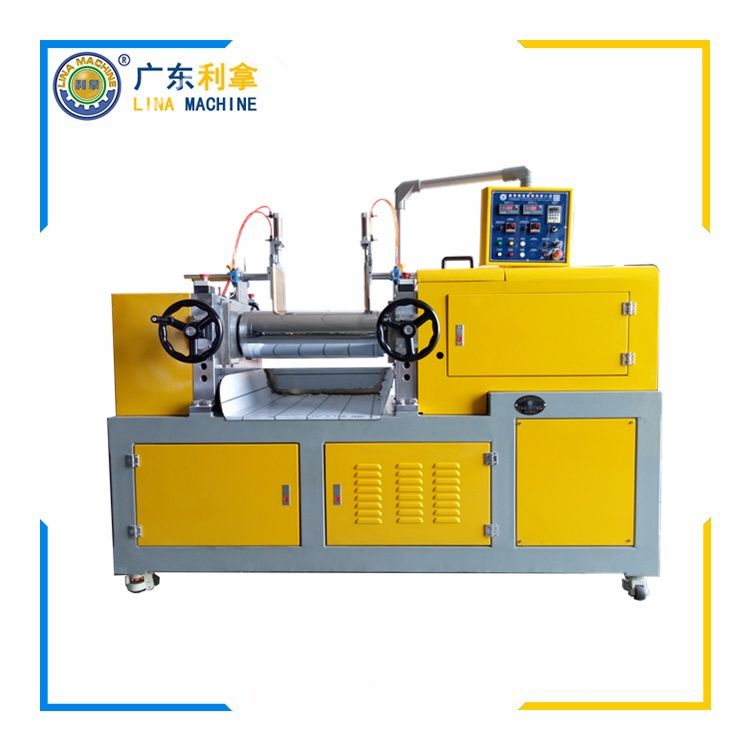
The plasticizing process involves several stages, including material preparation, heating, molding, cooling, and post-processing. The first step is to select the appropriate raw material, which should be clean, stable, and free from impurities. Next, the material is heated to a specific temperature, which triggers the polymer chains to move and align. Once the material reaches the desired temperature, it is then forced into a mold by a piston or other form of pressure. The mold is cooled down quickly to prevent any deformation or warping. Finally, the finished product is removed from the mold and subjected to any necessary post-processing steps, such as painting or assembly.
---
#Advantages of Plasticizing Machinery
One of the main advantages of plasticizing machinery is its ability to produce high-quality products with consistent dimensions and shapes. This makes it ideal for applications where precision is critical, such as in the automotive industry where each component must fit perfectly. Additionally, plasticizing machines can handle a wide range of materials, making them versatile and adaptable to different production needs.
---
#Challenges and Future Trends
Despite its many benefits, plasticizing machinery faces some challenges, such as energy consumption and environmental concerns. As technology advances, there is a growing trend towards more efficient and sustainable solutions, such as using renewable energy sources and implementing greener manufacturing processes.