The Development of Hydrogen Fuel Cell Bipolar Plate Rolling Line
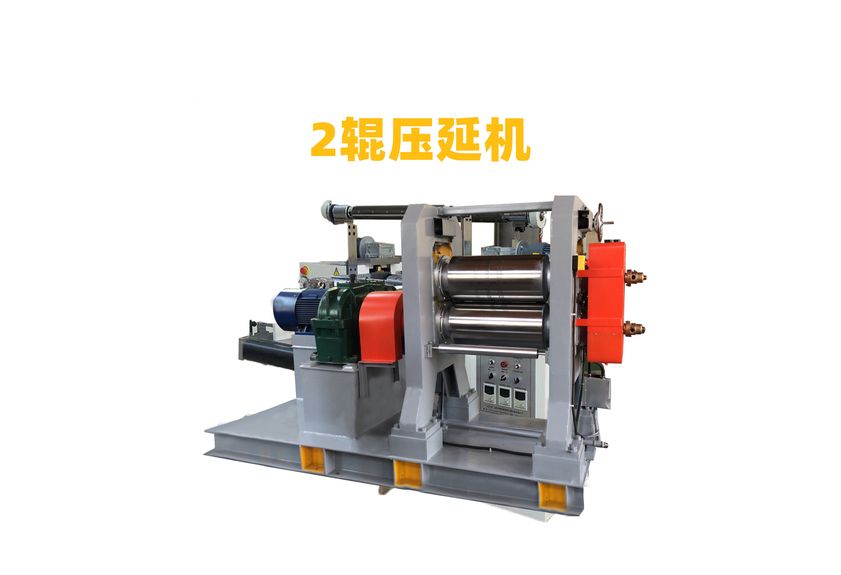
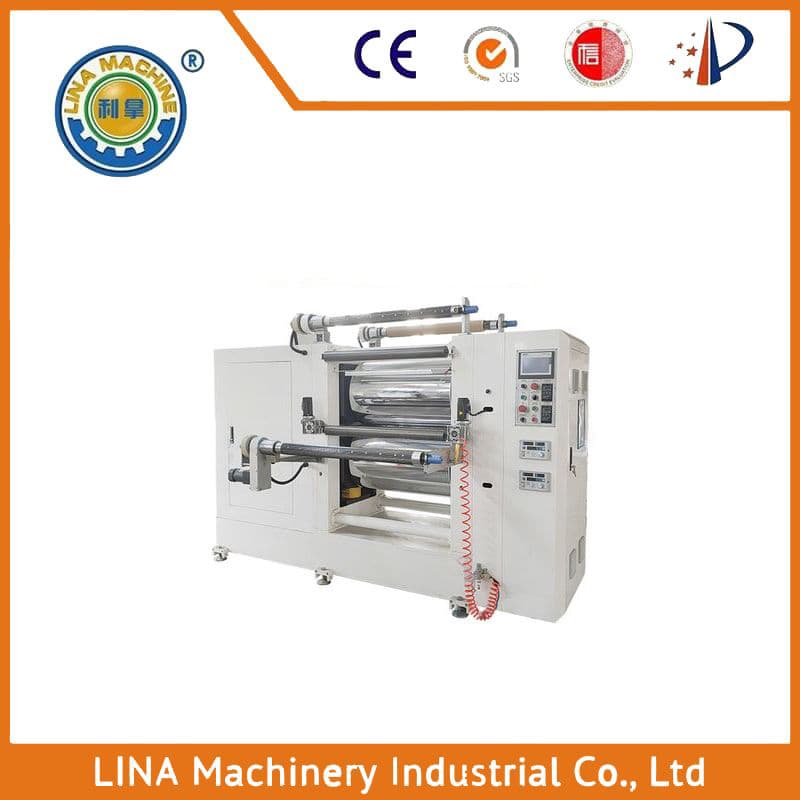
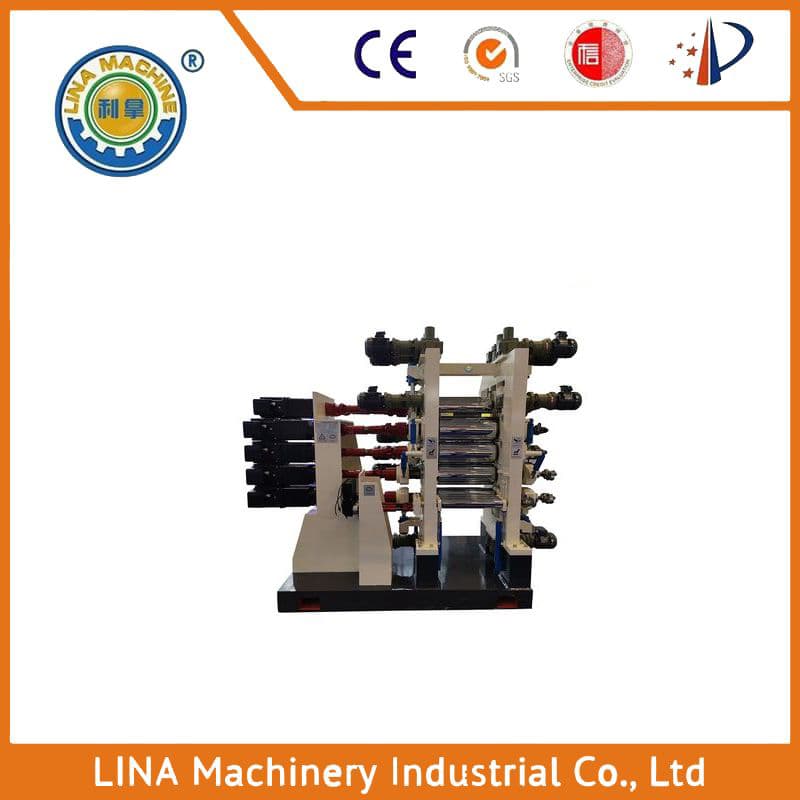
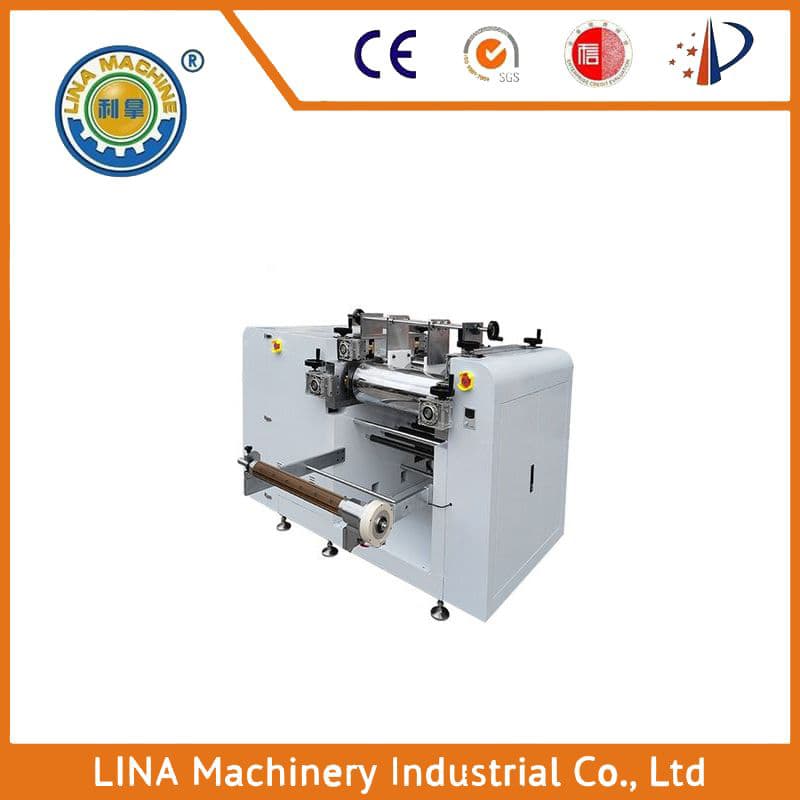
The hydrogen fuel cell industry is rapidly evolving, and the production of bipolar plates plays a crucial role in this process. A bipolar plate is an essential component of a hydrogen fuel cell, responsible for conducting current between the anode and cathode electrodes. To meet the increasing demand for high-quality bipolar plates, manufacturers have invested heavily in developing advanced manufacturing technologies. One such technology is the use of a hydroforming process to produce bipolar plates. This article will explore the development of the hydrogen fuel cell bipolar plate rolling line, which is a critical step in the production process.
The hydroforming process involves using hydraulic pressure to shape metal sheets into the desired shape. In the case of bipolar plates, this process allows for precise control over the thickness and dimensions of the plates, ensuring that they meet the required specifications. The hydroforming process has several advantages over traditional stamping techniques, including reduced material waste and improved product quality.
To develop a successful hydrogen fuel cell bipolar plate rolling line, manufacturers need to invest in state-of-the-art equipment and expertise. This includes designing and building a dedicated facility equipped with specialized machinery, as well as training staff to operate these machines effectively. Additionally, manufacturers must ensure that their supply chain is efficient and reliable, including sourcing raw materials and components from reputable suppliers.
One of the key challenges facing manufacturers of hydrogen fuel cell bipolar plates is the need to maintain consistent quality across all products. To achieve this, manufacturers must implement strict quality control measures throughout the production process, including regular inspections and testing of finished products. By doing so, they can ensure that their bipolar plates meet the highest standards of performance and reliability.
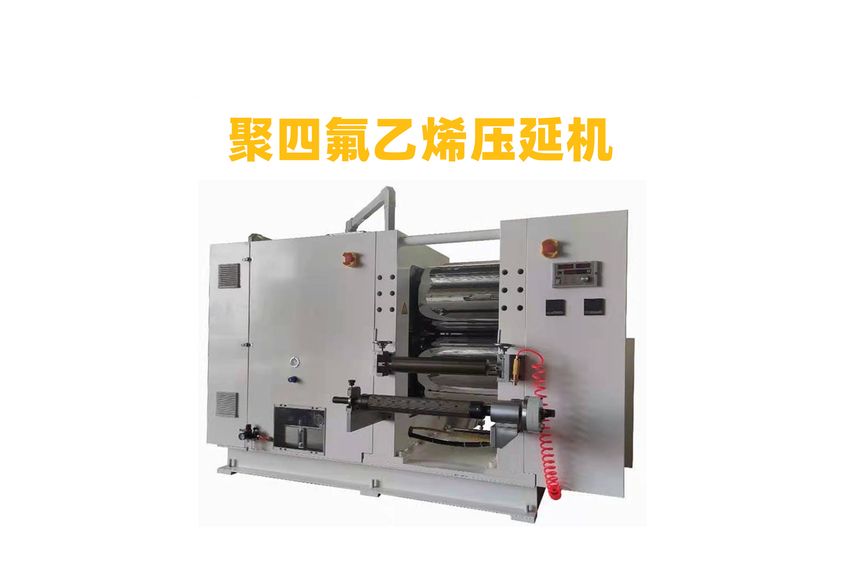
In conclusion, the development of a hydrogen fuel cell bipolar plate rolling line is a complex process that requires careful planning and execution. By investing in advanced manufacturing technologies and implementing rigorous quality control measures, manufacturers can produce high-quality bipolar plates that meet the demands of the hydrogen fuel cell industry. As the market continues to grow, it is essential that manufacturers stay ahead of the curve and continue to innovate in order to succeed in this competitive landscape.