



The Double-Screw Extrusion Spraying Machine
The double-screw extruder is a versatile and efficient tool in the polymer processing industry. Its primary function is to convert raw materials into pellets or granules, which are then used for various applications such as agriculture, construction, and packaging. In this article, we will explore the working principles of a typical double-screw extruder, its advantages, and how it can be optimized for better performance.
The basic structure of a double-screw extruder consists of two rotating screws that push and pull the material through the machine. The screws are connected to a drive shaft that rotates at high speeds, causing the screws to move up and down, pushing the material through the die and onto the output conveyor belt. The die is designed to shape the material into the desired pellet or granule size, while the output conveyor belt transports the product to the next stage in the process.
One of the key advantages of a double-screw extruder is its ability to handle a wide range of materials. It can be used to process a variety of plastics, rubbers, and other thermoplastics, as well as biomass materials such as wood chips and agricultural waste. This flexibility makes it an ideal choice for companies that need to produce a diverse range of products.
Another advantage of a double-screw extruder is its ability to produce high-quality pellets or granules with consistent size and shape. The die design ensures that the material is evenly distributed across the die surface, allowing for precise control over the final product's dimensions. Additionally, the high-speed rotation of the screws helps to ensure that the material is fully melted before it enters the die, minimizing any defects or impurities that may occur during processing.
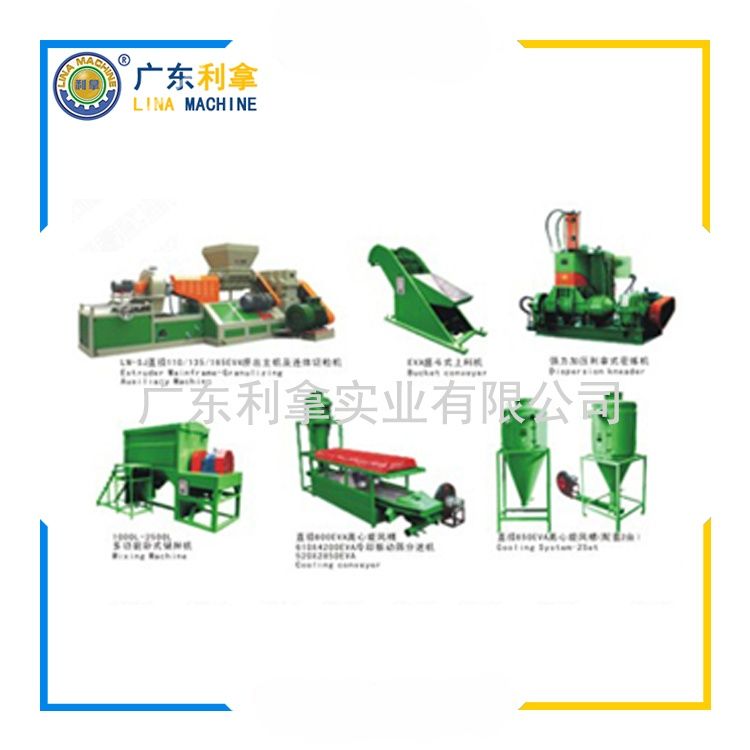
To optimize the performance of a double-screw extruder, several factors need to be considered. One important factor is the selection of the appropriate screw design and configuration. Different screw designs have different characteristics and can affect the flow rate, melt temperature, and pressure inside the machine. Therefore, it is essential to choose a screw design that best suits the specific requirements of the application.
Another factor to consider is the feed rate and feeding system. The feed rate determines how much material is fed into the machine per unit time, while the feeding system controls the distribution of the material throughout the machine. A well-designed feeding system can help to minimize material waste and improve overall efficiency.
Finally, it is important to monitor and maintain the machine regularly to ensure that it operates efficiently and safely. This includes checking for any signs of wear and tear on the screws and bearings, as well as inspecting the machine for any potential issues that may arise during operation. By taking these steps, companies can maximize the productivity and profitability of their double-screw extruders.
1. Double-Screw Extruder
2. Pellet Production
3. Polymer Processing
4. Material Handling
5. Optimization Techniques
This article provides an in-depth analysis of the Double-Screw Extruder, highlighting its role in converting raw materials into pellets or granules for various applications. We discuss the working principles of the device, its advantages, and how it can be optimized for better performance. The article also covers factors such as the selection of the appropriate screw design and configuration, the feed rate and feeding system, and regular maintenance to ensure optimal operation. By understanding these key aspects, readers can make informed decisions about investing in double-screw extruders and maximizing their productivity and profitability.