



The Art of Plastic and Rubber Compounding in the Manufacture of Granules
The art of plastic and rubber compounding is a complex process that involves the blending of two or more materials to create a new product. In the context of granulation, this process is applied to produce granules that are used as building blocks for various products such as toys, packaging, and automotive parts. The success of this process depends on several factors, including the quality of the raw materials, the mixing techniques employed, and the equipment used for granulation.
One of the key components of the process is the use of a mixer. This device is responsible for breaking down the polymers and other ingredients into smaller particles, which can then be combined with other materials to form a uniform mixture. The mixer must be designed to handle the high temperatures and pressures required during the granulation process, as well as the varying properties of different types of plastics and rubbers.
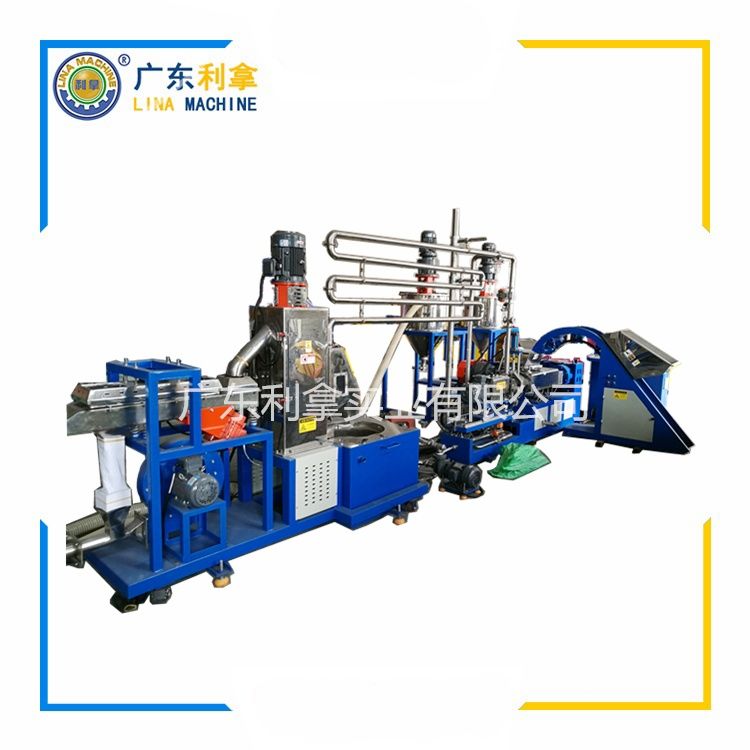
Once the mixture is ready, it is transferred to a granulator, which uses air or steam to break up the material into small granules. The size and shape of these granules will depend on the specific requirements of the final product. For example, if the granules are intended to be used as filling in a packaging container, they may need to be small enough to fit through the opening but large enough to hold the product inside.
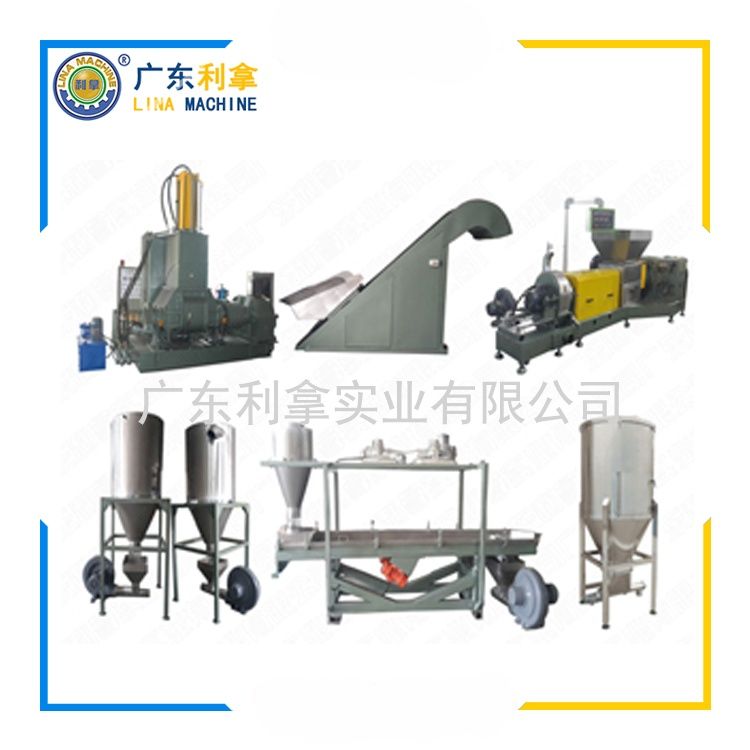
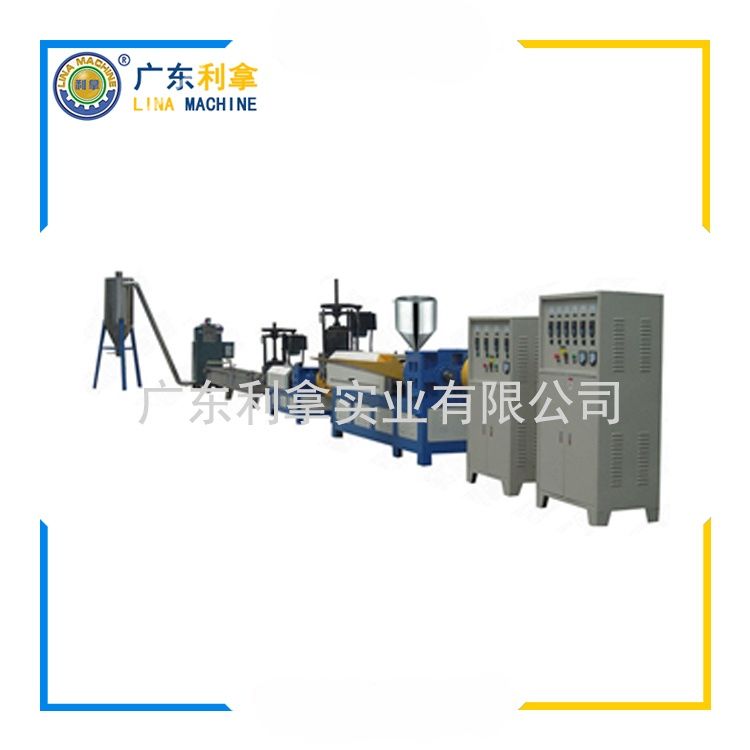
In addition to the mixer and granulator, there are several other pieces of equipment that are essential for the successful completion of the granulation process. These include dryers, which remove moisture from the granules before they are packaged, and extruders, which convert the granules into the final product.
Finally, the quality of the finished granules is critical to the success of the entire process. This is why it is important to monitor the temperature and pressure throughout the process, as well as the consistency of the mixture. By doing so, manufacturers can ensure that their granules meet all necessary standards and are consistent in quality.
1. Plastic and Rubber Compounding
2. Granules
3. Mixer
4. Granulator
5. Quality Control
This article provides an in-depth look at the process of plastic and rubber compounding and how it is applied to the production of granular materials. We discuss the importance of using a mixer and granulator, as well as the various pieces of equipment needed to complete the process. We also highlight the importance of quality control in ensuring that the finished granules meet all necessary standards. By understanding the intricacies of this process, manufacturers can improve their product quality and increase their competitiveness in the market.