



The Ultimate Guide to High-Speed Mixers
In the realm of industrial machinery, high-speed mixers stand as a testament to the precision and efficiency that can be achieved with modern technology. These versatile machines are designed to blend, knead, and mix materials with incredible speed and precision, making them indispensable tools for a wide range of industries. From the food industry to the pharmaceutical sector, high-speed mixers have revolutionized the way products are created, processed, and packaged. In this guide, we will explore the essential features, benefits, and applications of these powerful machines, so you can make an informed decision when selecting the right one for your needs.
Firstly, let's discuss the key features of high-speed mixers. These machines are equipped with advanced motors that can reach speeds of up to 10,000 RPM, allowing for seamless mixing of even the most viscous substances. They are also designed with a variety of attachments, such as whisks, blades, and knives, which allow for precise control over the mixing process. Additionally, many high-speed mixers come with built-in sensors that monitor temperature, pressure, and other critical parameters, ensuring optimal performance and safety during use.
One of the most significant benefits of high-speed mixers is their ability to handle a wide range of materials. Whether it's liquids, solids, or gases, these machines can blend them together with ease. This makes them ideal for a variety of applications, including but not limited to:
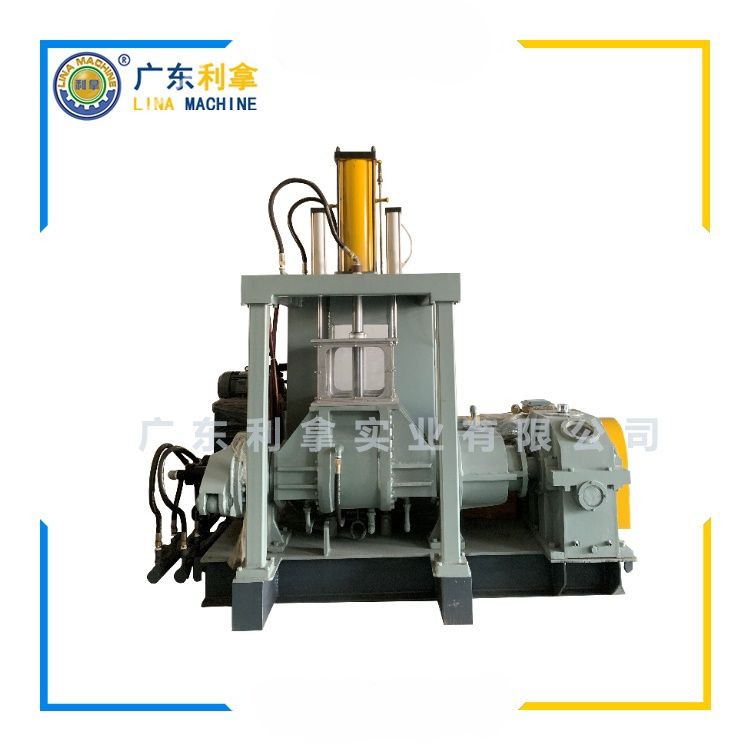
1. Food Processing: High-speed mixers are used extensively in the food industry to create sauces, dressings, and other flavorful concoctions. By blending ingredients quickly and thoroughly, they ensure that every component is fully incorporated into the final product.
2. Pharmaceuticals: In the pharmaceutical industry, high-speed mixers are used to prepare suspensions, emulsions, and other complex formulations. These machines help to ensure consistency and uniformity in the final product, which is crucial for patient safety and efficacy.
3. Chemical Manufacturing: High-speed mixers are also commonly used in the chemical industry to create solutions, suspensions, and other mixtures. By blending chemicals quickly and efficiently, they enable researchers and engineers to achieve desired results more quickly and accurately.
4. Biotechnology: In the biotechnology industry, high-speed mixers are used to create cell cultures, extracts, and other biological samples. These machines help to ensure that all components are properly mixed and combined, which is essential for successful experiments and research.
5. Agriculture: High-speed mixers are also useful in the agricultural industry for preparing fertilizers, pesticides, and other agricultural products. By blending ingredients quickly and thoroughly, they enable farmers to achieve better yields and reduce waste.
In conclusion, high-speed mixers are a valuable tool for anyone looking to improve efficiency and productivity in their work. With their advanced features, wide range of applications, and ability to handle a variety of materials, these machines are sure to become an integral part of your equipment collection. So why wait? Invest in a high-speed mixer today and see how it can transform your workflow!