




A Comprehensive Guide to Aluminum Foil Rolling Machines
Aluminum foil rolling machines are essential tools in the manufacturing industry, particularly in the production of aluminum foil packaging materials. These machines are designed to roll a thin sheet of aluminum foil into a uniform and consistent thickness, which is crucial for its use in various applications such as food wrapping, cosmetic packaging, and electrical insulation. In this article, we will explore the different types of aluminum foil rolling machines available, their features, and how they can benefit the manufacturing industry.
1. Traditional Rolling Mills:
Traditional rolling mills are the most common type of aluminum foil rolling machine used in the industry. They consist of a large roller that rotates at high speeds, causing the aluminum foil to slide over it. The roller is usually made of steel or other durable materials, and the roller surface is coated with a lubricant to prevent wear and tear. The roller is mounted on a frame that can be adjusted to change the thickness of the rolled foil. Traditional rolling mills are suitable for small-scale production and require less maintenance than modern machines.
2. Automatic Rolling Mills:
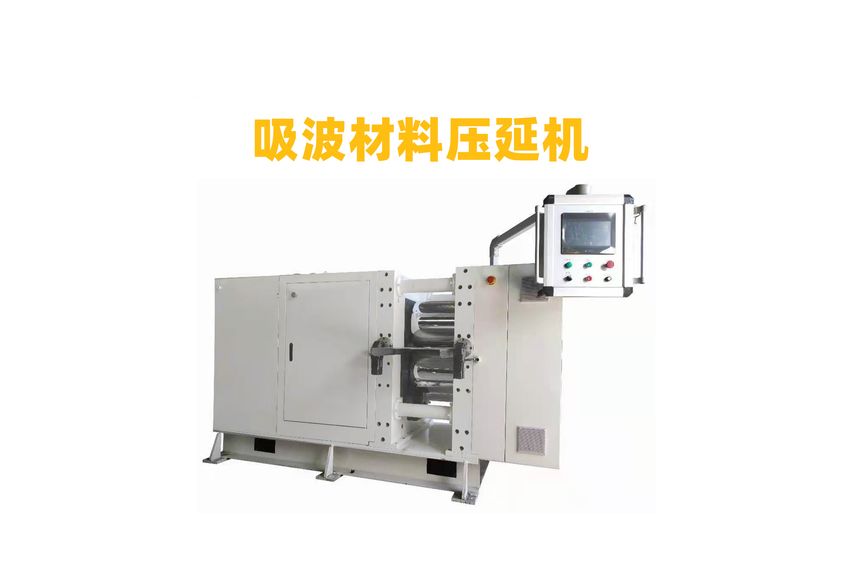
Automatic rolling mills are designed to operate more efficiently and accurately than traditional mills. They use computer control systems to regulate the speed and direction of the roller, ensuring consistent results every time. Automatic rolling mills also have advanced sensors that detect any irregularities in the foil during the rolling process, allowing for immediate adjustments. This makes them ideal for larger-scale production and high-volume orders.
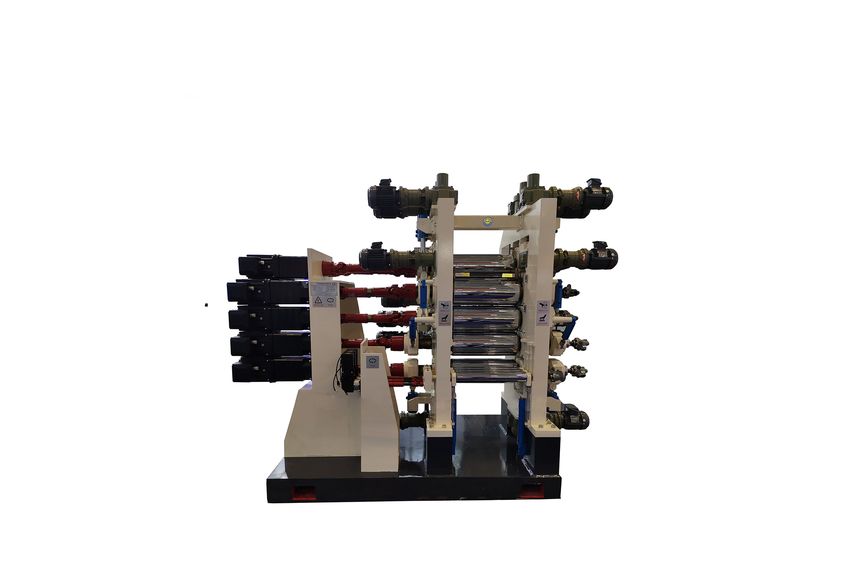
3. CNC Rolling Mills:
CNC (Computer Numerical Control) rolling mills are the most advanced type of aluminum foil rolling machine available today. They use computer-controlled software to program the roller's movement, speed, and direction, allowing for precise control over the rolling process. CNC rolling mills are suitable for high-quality products that require consistent thickness and smooth edges. They also offer the advantage of being able to produce custom sizes and shapes of foil.
4. Rolling Presses:
Rolling presses are another popular type of aluminum foil rolling machine used in the industry. They consist of a pair of rollers that press together to form the foil. Rolling presses are suitable for small batch production and can be easily customized to meet specific requirements. However, they may not be as accurate as other types of rolling mills, and the quality of the rolled foil may vary depending on the pressure applied.
1. Aluminum Foil Rolling Machines
2. Traditional Rolling Mills
3. Automatic Rolling Mills
4. CNC Rolling Mills
5. Rolling Presses
This article provides an in-depth overview of aluminum foil rolling machines, highlighting the different types of machines available in the industry. We discuss the features and advantages of each type, including traditional rolling mills, automatic rolling mills, CNC rolling mills, and rolling presses. By understanding the different types of aluminum foil rolling machines, manufacturers can choose the right machine for their specific needs, resulting in increased efficiency and quality in their production processes.