

Title: The Art of Creating Par...
Title: The Art of Creating Particles with Dual-Screw Extrusion Molding Machines
The art of creating particles with dual-screw extrusion molding machines is a fascinating process that involves the use of high-pressure, high-speed rotation of two screws to convert raw materials into finished products. This innovative technology has revolutionized the plastics industry, providing manufacturers with an efficient and cost-effective way to produce various types of plastic particles. In this article, we will explore the intricacies of this process, its benefits, and how it can be optimized for maximum efficiency.
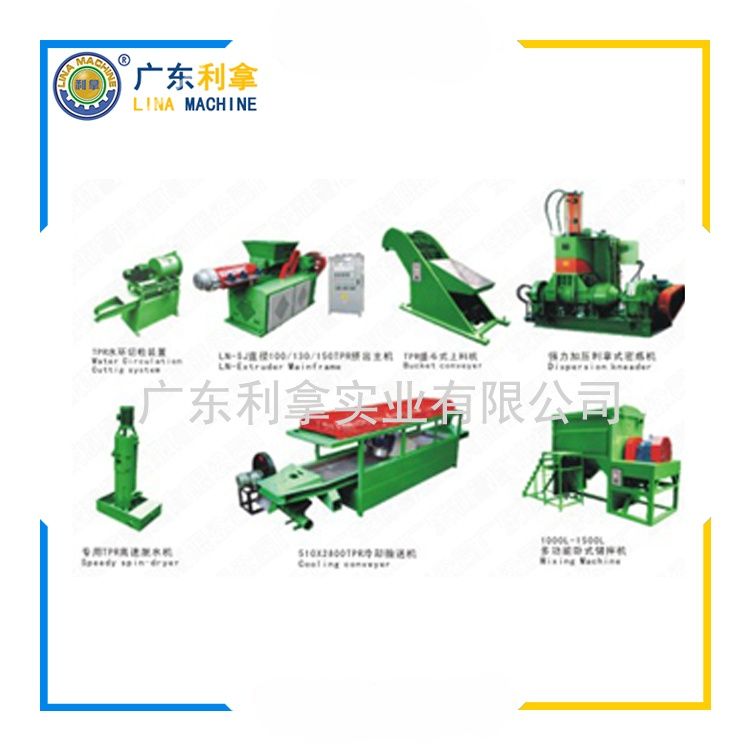
Dual-screw extrusion molding machines are designed to handle a wide range of raw materials, including thermoplastics, thermosets, and composites. These machines are capable of producing particles with varying sizes, shapes, and densities, which can be used in a variety of applications, such as automotive parts, electronics, and packaging.
One of the key advantages of using dual-screw extrusion molding machines is their ability to process complex geometries. By controlling the speed and direction of the two screws, manufacturers can create intricate shapes that would be difficult or impossible to achieve with traditional single-screw machines. This not only enhances product quality but also saves time and resources, as complex geometries can be produced more quickly and efficiently.
Another significant benefit of dual-screw extrusion molding machines is their ability to produce particles with high strength and low density. This is achieved through the use of advanced processing techniques, such as melt blending and compounding, which allow for precise control over the composition of the final product. This results in particles that are both strong and lightweight, making them ideal for applications where weight is a critical factor.
In addition to their technical advantages, dual-screw extrusion molding machines also offer several operational benefits. For example, they are highly adaptable to different raw material types, allowing for the production of a wide range of products without the need for specialized equipment. Furthermore, these machines are often equipped with advanced monitoring systems that can detect any defects or issues during the production process, ensuring that only high-quality particles are produced.
To optimize the performance of dual-screw extrusion molding machines, manufacturers must consider several factors. One important consideration is the choice of raw material, as different materials require different processing conditions. Additionally, the machine's design and configuration should be tailored to the specific application requirements, taking into account factors such as particle size, shape, and density. Finally, regular maintenance and calibration of the machine are essential to ensure optimal performance and longevity.
In conclusion, the art of creating particles with dual-screw extrusion molding machines is a complex and sophisticated process that requires careful consideration of various factors. From the technical advantages of high-speed rotation and precise control to the operational benefits of adaptability and advanced monitoring systems, these machines have revolutionized the plastics industry. As manufacturers continue to explore new ways to optimize these machines, we can expect even greater advances in the field of plastics manufacturing.