




The Art of Particle Formation in Ceramic Powder Making Machines
Ceramic powder making machines are essential tools for the production of ceramic materials. These machines use different techniques to produce a uniform and consistent particle size distribution, which is crucial for the quality and performance of ceramic products. In this article, we will explore the various types of ceramic powder making machines and their applications in the ceramic industry.
The first type of ceramic powder making machine is the ball mill. This machine uses grinding balls to break down raw materials into smaller particles. Ball mills are commonly used for producing fine-grained ceramic powders, such as those used in electronic devices and medical implants.
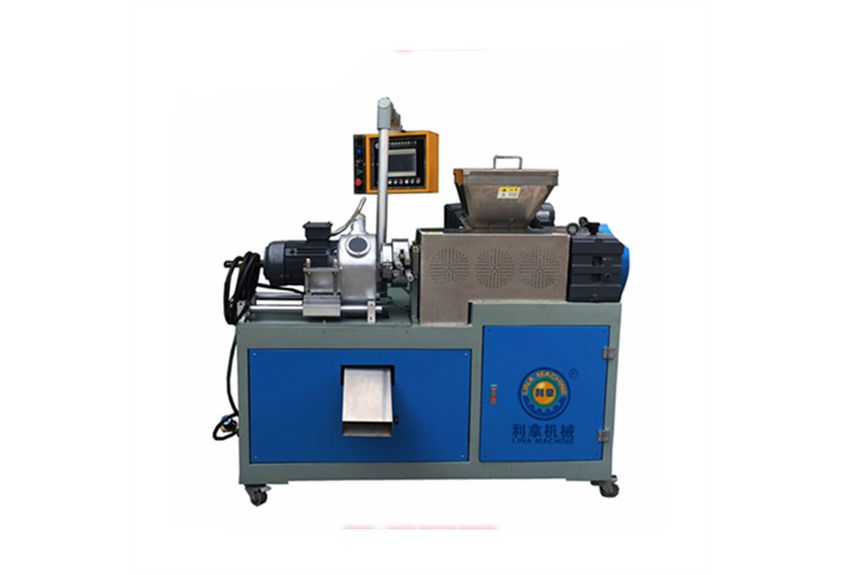
Another popular type of ceramic powder making machine is the planetary ball mill. This machine has a rotating drum that rotates around a stationary axis. The grinding balls roll on the surface of the drum, causing them to grind each other and the material being ground. Planetary ball mills are ideal for producing high-quality ceramic powders with a narrow particle size distribution.
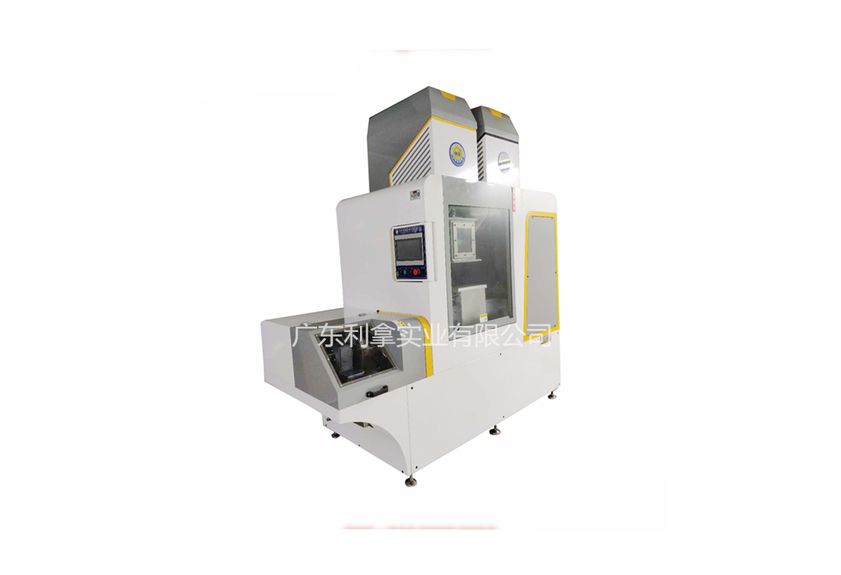
In addition to these two types of ceramic powder making machines, there are also other types of machines available. For example, the fluidized bed mill is a newer technology that uses air or gas to carry the grinding media through the material being ground. This machine is particularly useful for producing ceramic powders with a high specific surface area.
The application of ceramic powder making machines is diverse and extends beyond just the production of ceramic materials. These machines are also used in the recycling of ceramic waste, where they can be used to grind up broken ceramic pieces and recycle them for further use.
1. Ceramic powder making machine
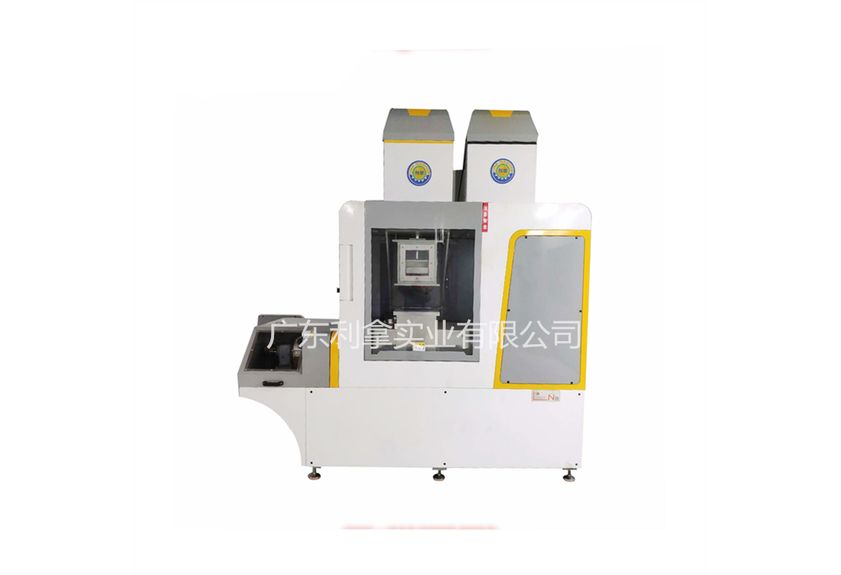
2. Ball mill
3. Planetary ball mill
4. Fluidized bed mill
5. Recycling ceramic waste
This article provides an in-depth exploration of the various types of ceramic powder making machines, including ball mills, planetary ball mills, and fluidized bed mills. We discuss their applications in the ceramic industry and highlight their importance in producing high-quality ceramic powders with a narrow particle size distribution. Additionally, we explore the potential of these machines in recycling ceramic waste, showcasing their versatility and sustainability in the modern ceramic industry.