




The Role of Oxide Silicon Mixing Machines in the Manufacturing Industry
Oxide silicon mixing machines are an essential tool in the manufacturing industry, particularly in the semiconductor and electronics sector. These machines play a crucial role in the production process by mixing and homogenizing oxide silicon powders with other materials such as metals or alloys. By doing so, they create a uniform mixture that can be used to produce various electronic components like transistors, diodes, and integrated circuits.
The oxide silicon mixing machine is a complex piece of equipment that consists of several parts, including a rotating drum, a feeder system, and a cooling system. The drum rotates at high speeds to mix the powders evenly, while the feeder system delivers the powder into the drum. The cooling system helps to maintain the temperature of the mixture during the mixing process, preventing it from overheating and causing damage to the equipment.
One of the key benefits of using oxide silicon mixing machines is their ability to produce high-quality products with consistent results. This is because the machines use precise control systems to monitor and adjust the temperature, pressure, and other parameters during the mixing process. This ensures that the final product meets the required specifications and quality standards.
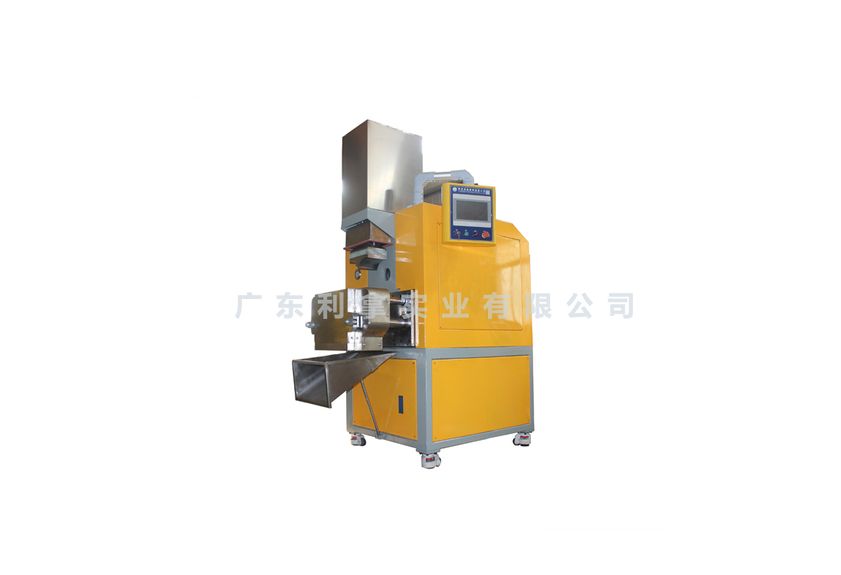
Another advantage of these machines is their flexibility in terms of material handling. They can handle a wide range of powders and materials, making them ideal for different applications in the manufacturing industry. Additionally, the machines are designed to be easy to operate and maintain, which reduces downtime and increases productivity.
In conclusion, oxide silicon mixing machines are critical tools in the manufacturing industry, particularly in the semiconductor and electronics sector. Their ability to produce high-quality products with consistent results makes them essential for businesses that rely on precision and consistency in their manufacturing processes. As technology continues to advance, it is likely that these machines will continue to play an important role in shaping the future of the manufacturing industry.