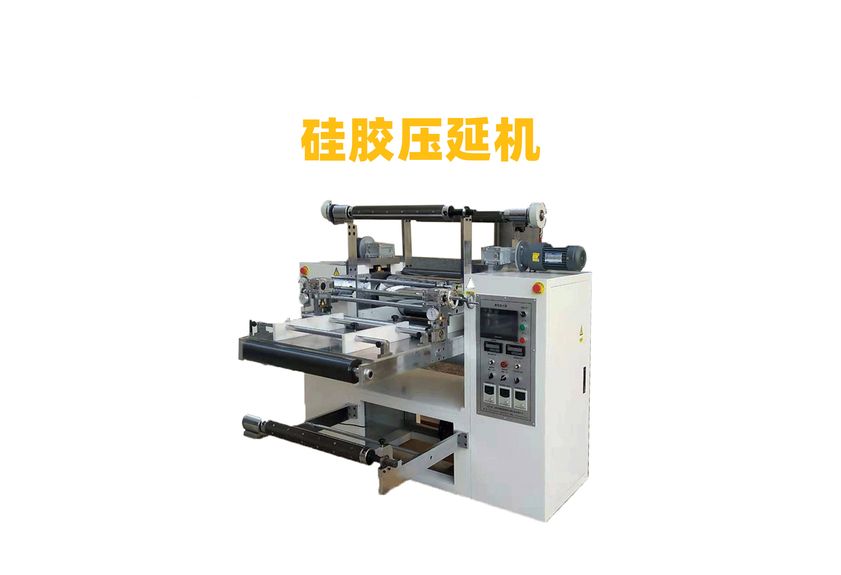



"Thermal Conductivity of Graphene-Based Heat Sinks: An Innovative Approach to Improve Thermal Management
In the field of electronics and thermal management, the need for efficient heat dissipation has become increasingly critical. One of the most promising materials that can enhance this process is graphene, a two-dimensional carbon nanomaterial with exceptional thermal conductivity. This article explores the application of graphene-based heat sinks in the manufacturing industry, specifically focusing on the development of graphene thermal conductive pastes and their integration into pressurized roll molding machines.
The use of graphene as a thermal conductive material in manufacturing applications has been gaining traction due to its superior thermal conductivity compared to traditional materials like copper or aluminum. This makes it an ideal candidate for use in heat sinks, where high thermal conductivity is essential for effective heat dissipation.
One of the key challenges in using graphene in manufacturing is ensuring its uniform distribution and adherence to the substrate. To address this issue, researchers have developed graphene thermal conductive pastes that are compatible with various substrates and can be easily applied using conventional printing techniques. These pastes are formulated to provide excellent adhesion and flexibility, making them suitable for use in pressurized roll molding machines.
Pressurized roll molding machines are widely used in the manufacturing industry for the production of various products, including electronic devices, automotive parts, and medical implants. These machines have the ability to apply pressure and temperature to the material being processed, which helps in achieving better mechanical properties and reducing defects. By incorporating graphene thermal conductive pastes into these machines, manufacturers can significantly improve the efficiency of their heat dissipation processes.
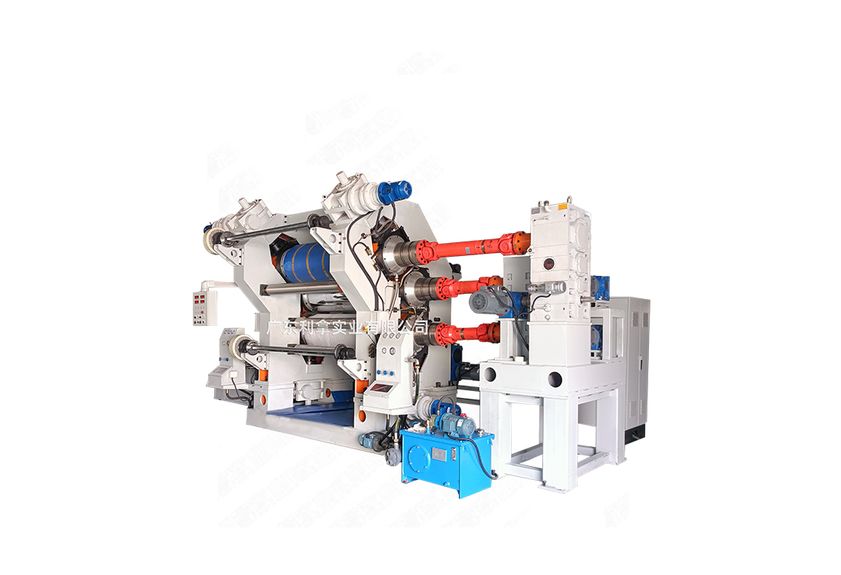
One example of how graphene thermal conductive pastes can be integrated into pressurized roll molding machines is in the production of electronic devices. In this case, the paste is applied to the surface of the device's heat sink, which is then subjected to high temperatures during the manufacturing process. As the device cools down, the graphene thermal conductive paste transfers heat away from the device's components, reducing the overall power consumption and improving the device's performance.
Another potential application of graphene thermal conductive pastes in pressurized roll molding machines is in the production of automotive parts. In this case, the paste is applied to the surface of the part's heat sink, which is then subjected to high temperatures during the manufacturing process. As the part cools down, the graphene thermal conductive paste transfers heat away from the part's components, reducing the overall power consumption and improving the part's performance.
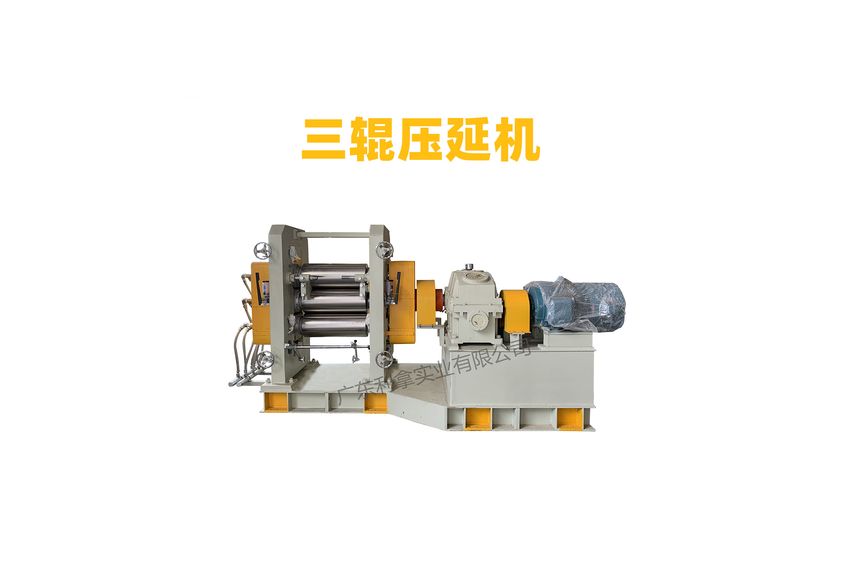
In conclusion, the use of graphene thermal conductive pastes in pressurized roll molding machines represents a significant advancement in the field of thermal management. By providing high thermal conductivity and excellent adhesion, these pastes can help manufacturers achieve better heat dissipation processes, leading to improved product performance and reduced energy consumption. As the demand for efficient thermal management continues to grow, the use of graphene thermal conductive pastes in pressurized roll molding machines will undoubtedly become an increasingly important aspect of the manufacturing industry.