




Experimental Flat-Bed Vulcanizers: A Comprehensive Guide
Flat-bed vulcanization is a crucial process in the rubber industry, whereby rubber compounds are subjected to heat and pressure to convert them into vulcanized sheets. The flat-bed vulcanizer is an essential piece of equipment used in this process. In this article, we will explore the different types of experimental flat-bed vulcanizers available in the market, their features, and how they can be utilized for various applications.
Firstly, let us discuss the classification of flat-bed vulcanizers based on their design and functionality. There are two main types of flat-bed vulcanizers: conventional and high-speed. Conventional flat-bed vulcanizers are designed to handle small batches of rubber compounds, while high-speed vulcanizers are more suitable for larger-scale production.
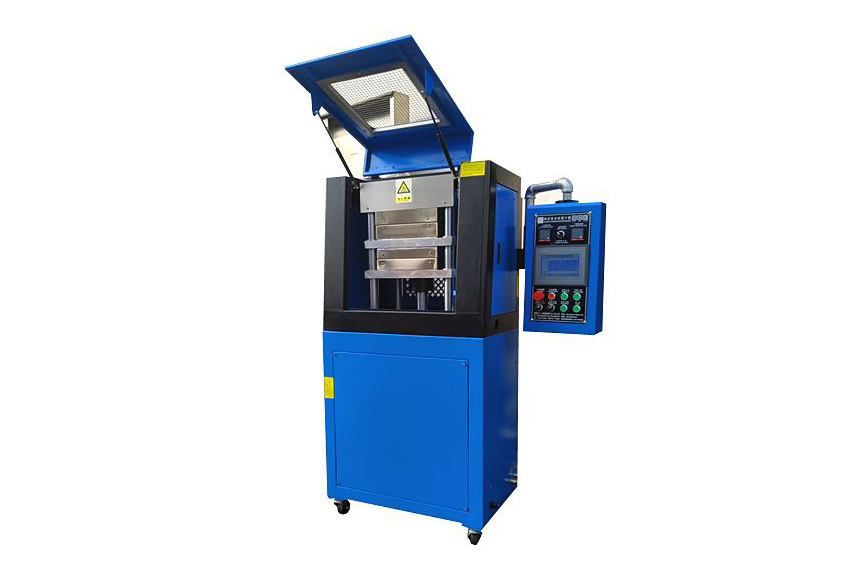
The first type of flat-bed vulcanizer is the conventional model. This type of vulcanizer is characterized by its simple design and ease of use. It consists of a heated platen, which holds the rubber compound, and a pressing mechanism that applies pressure to the compound. The temperature and pressure required for vulcanization are controlled through a thermostat and pressure gauge, respectively. The conventional flat-bed vulcanizer is suitable for small-scale production and can be easily customized to meet specific requirements.
On the other hand, the high-speed flat-bed vulcanizer is designed to handle large batches of rubber compounds efficiently. It has a more complex design with multiple heating elements and pressure control systems. The high-speed vulcanizer can produce vulcanized sheets at a faster rate than conventional models, making it ideal for industrial-scale production. However, it may require more maintenance and technical expertise to operate effectively.
In addition to their design, flat-bed vulcanizers also differ in terms of their features and capabilities. Some models come with built-in cooling systems to prevent overheating during vulcanization. Others have adjustable pressure settings to accommodate different types of rubber compounds. Additionally, some models offer integrated monitoring systems that track the progress of the vulcanization process and alert operators when necessary adjustments are needed.
To utilize flat-bed vulcanizers effectively, it is important to understand their working principles and how they can be optimized for specific applications. For example, in the automotive industry, flat-bed vulcanizers are used to produce high-quality tires that meet strict safety standards. In this case, the temperature and pressure settings need to be carefully monitored to ensure that the tires are properly vulcanized without compromising their durability or performance.
Another application for flat-bed vulcanizers is in the construction industry, where they are used to produce durable and weather-resistant materials such as paving stones and roofing tiles. In this case, the pressure and temperature settings need to be carefully adjusted to achieve the desired properties of the final product.
In conclusion, flat-bed vulcanizers play a crucial role in the rubber industry by converting rubber compounds into vulcanized sheets that are used in various applications. By understanding the different types of flat-bed vulcanizers available and their features, manufacturers can optimize their production processes and improve efficiency and quality.