

PLA降解造粒机:环保与创新的完美结合
In the realm of sustainable materials production, the development of polylactic acid (PLA) degradation and pelletizing machines has been a game-changer. These advanced technologies not only contribute to environmental sustainability but also revolutionize the way we produce biodegradable plastics.
PLA, a type of bioplastic derived from renewable resources like cornstarch or sugarcane, is gaining popularity due to its eco-friendly properties. However, producing PLA in large quantities requires efficient machinery capable of converting raw materials into pellets that can be used in various applications. The PLA degradation and pelletizing machines play a crucial role in this process.
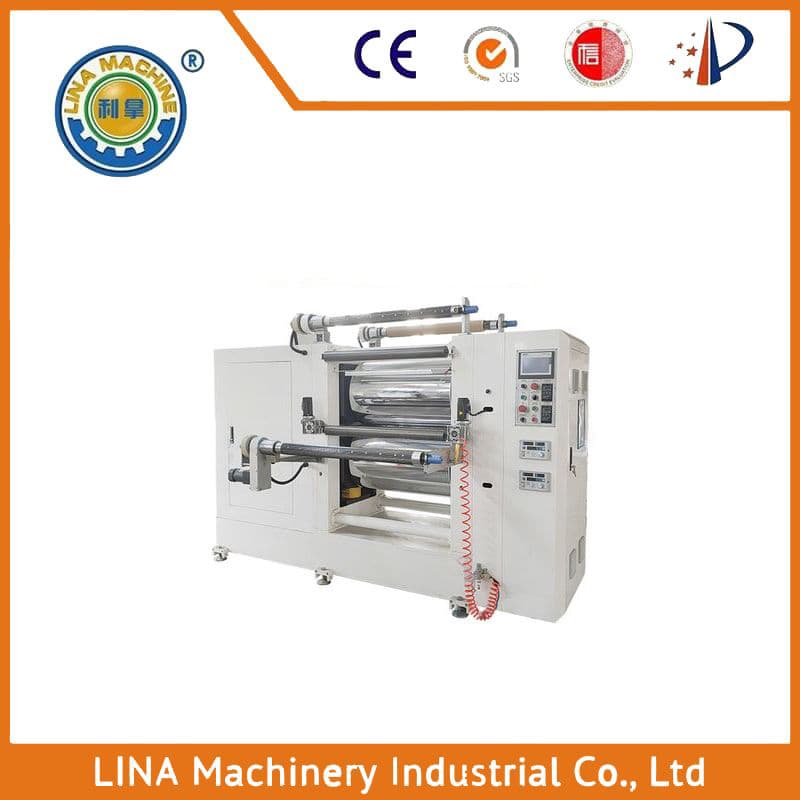
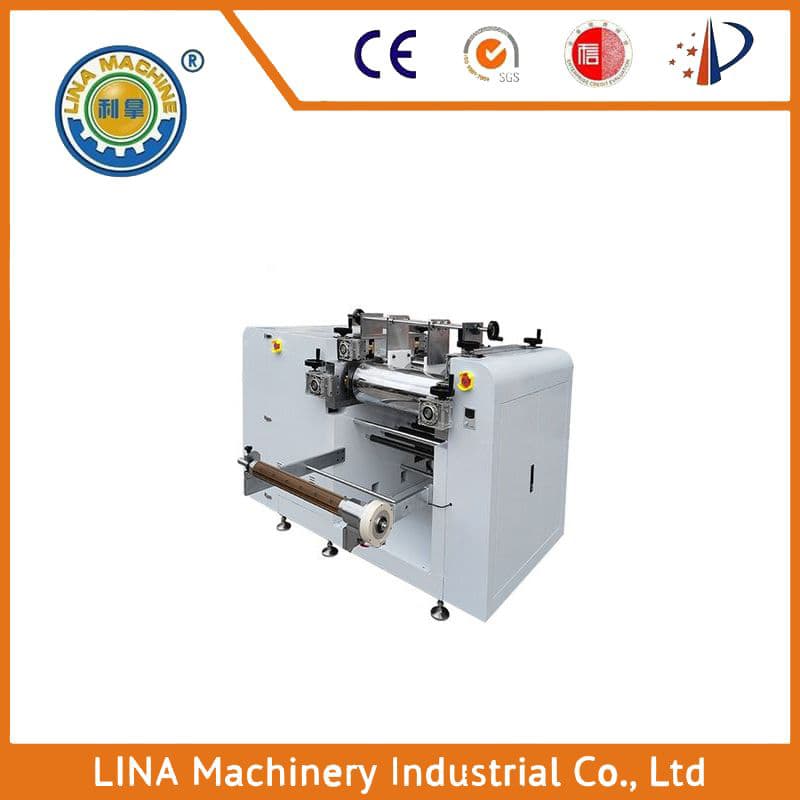
One such machine is the PLA Degradation Pelletizer, which uses heat and pressure to break down PLA into smaller particles. This process is known as thermochemical degradation, which involves heating the PLA at high temperatures until it breaks down into small chains of monomers. The resulting particles are then collected and pelletized into pellets suitable for use in various applications.
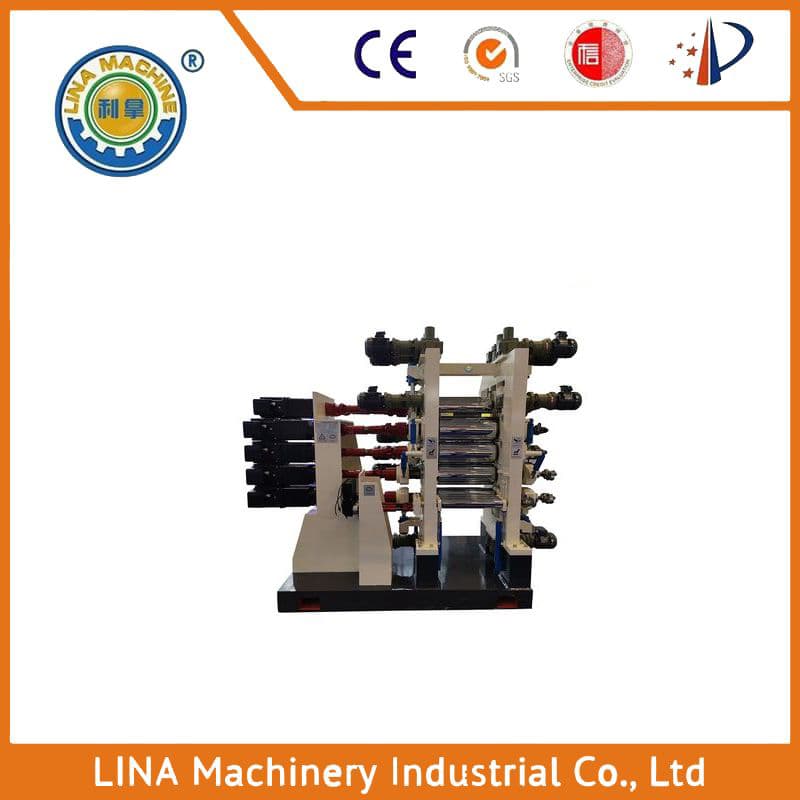
Another important machine in the PLA production chain is the PLA Pelletizer. This device takes the degraded PLA and further processes it into pellets using mechanical forces. The pelletization process ensures that the final product is uniform and consistent in size, making it easier to handle and transport.

The PLA degradation and pelletizing machines are not just about efficiency; they also contribute to reducing waste and minimizing environmental impact. By using these machines, manufacturers can produce PLA in larger quantities with fewer byproducts, which in turn reduces the amount of waste generated. Additionally, the use of renewable resources in the production of PLA helps to reduce dependence on non-renewable sources, further contributing to environmental sustainability.
In conclusion, the PLA degradation and pelletizing machines are essential tools in the production of biodegradable plastics. They not only improve efficiency but also help to reduce waste and minimize environmental impact. As the demand for sustainable materials continues to grow, these machines will continue to play a vital role in shaping the future of sustainable materials production.