




Understanding Vacuum Mixing Machines: A Comprehensive Guide
In the realm of industrial machinery, vacuum mixing machines stand out as a critical component in the production process. These machines are designed to mix and knead materials at high temperatures and pressures, resulting in a uniform and homogenous mixture. The use of vacuum technology ensures that the mixing process is efficient and effective, minimizing air inclusions and improving product quality. In this article, we will explore the key features, advantages, and applications of vacuum mixing machines, providing readers with a comprehensive understanding of this versatile equipment.
Key Features of Vacuum Mixing Machines
1. High-Temperature Capability: Vacuum mixing machines are capable of operating at high temperatures, ranging from 200°C to 300°C, depending on the specific model. This allows for the processing of materials that would otherwise be unsuitable or require special handling conditions.
2. High Pressure: These machines can handle high pressures, typically ranging from 5 to 10 bar, which enhances the mixing efficiency and reduces air inclusions in the final product.
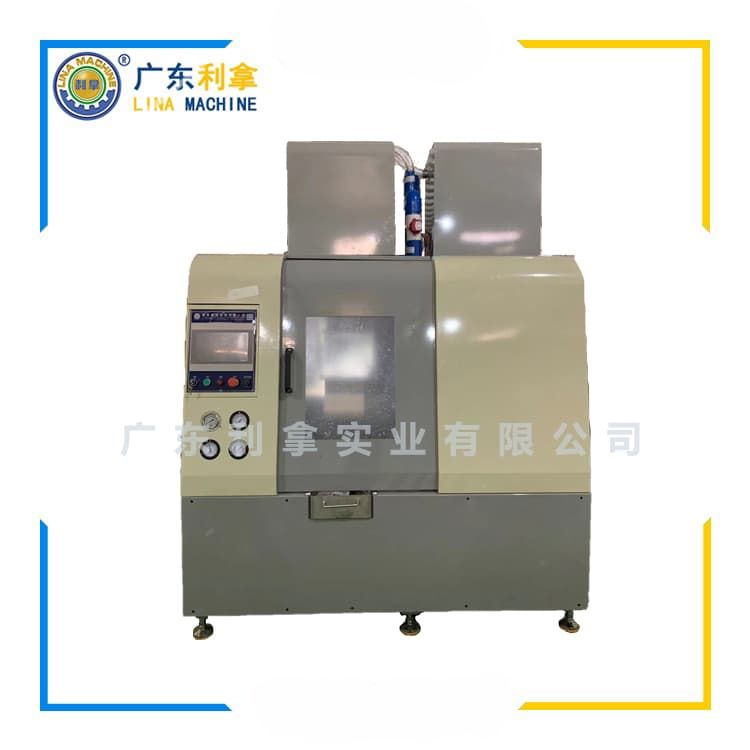
3. Robust Design: Vacuum mixing machines are built to withstand harsh industrial environments, featuring durable materials and robust construction. They are designed to withstand continuous operation without significant wear and tear, ensuring longevity and reliability.
4. Intelligent Control: Many modern vacuum mixing machines come equipped with advanced control systems that allow for precise temperature and pressure adjustments, enabling operators to optimize the mixing process according to specific requirements.
Advantages of Vacuum Mixing Machines
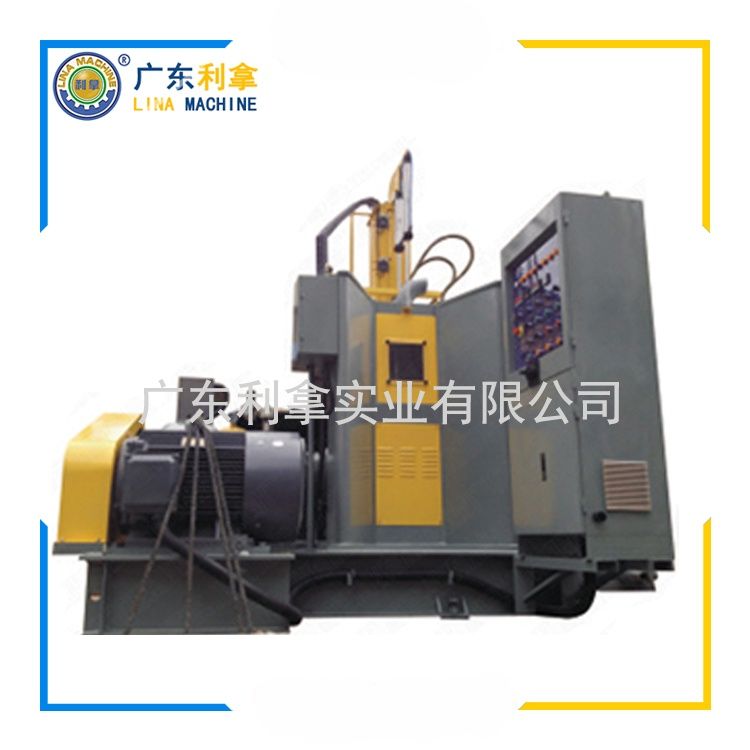
1. Improved Product Quality: By minimizing air inclusions and enhancing mixing efficiency, vacuum mixing machines produce products with superior quality and consistency. This results in fewer defects and higher yields, ultimately saving time and resources.
2. Energy Efficiency: Compared to traditional mixing methods, vacuum mixing machines consume less energy due to their optimized design and efficient operation. This not only reduces operational costs but also contributes to environmental sustainability.
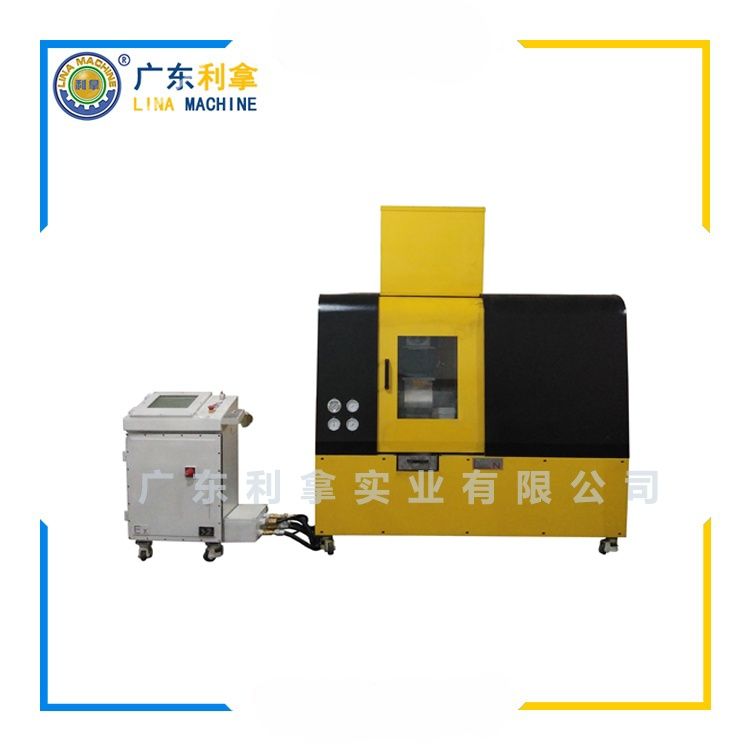
3. Simplified Processing: Vacuum mixing machines simplify the mixing process by eliminating the need for manual stirring or other laborious operations. This not only saves time but also reduces the risk of human error during the mixing process.
Applications of Vacuum Mixing Machines
1. Food Industry: Vacuum mixing machines are widely used in the food industry for the production of dough, batters, and other ingredients. Their ability to handle high temperatures and pressures makes them ideal for processing raw materials into finished products.
2. Chemical Industry: In the chemical industry, vacuum mixing machines are essential for the production of pharmaceuticals, agrochemicals, and other specialty chemicals. Their ability to mix at high temperatures and pressures ensures the integrity of the final product.
3. Textile Industry: Vacuum mixing machines are also used in the textile industry for the production of yarns, fabrics, and other textile materials. Their ability to mix at high temperatures and pressures enables the production of high-quality textile products.
1. Vacuum Mixing Machines
2. High-Temperature Capability
3. High Pressure
4. Robust Design
5. Intelligent Control
6. Energy Efficiency
7. Simplified Processing
8. Food Industry
9. Chemical Industry
10. Textile Industry
Vacuum mixing machines are an essential tool in the industrial world, offering a range of benefits that make them highly sought after. With their ability to handle high temperatures and pressures, these machines ensure that the mixing process is efficient and effective, minimizing air inclusions and improving product quality. Additionally, their robust design and intelligent control systems make them highly adaptable to various industrial environments, allowing operators to optimize the mixing process according to specific requirements. From the food industry to the chemical and textile industries, vacuum mixing machines play a crucial role in the production of high-quality products. As such, they represent a valuable asset for any industrial facility looking to improve efficiency and reduce costs.