




The Role of the Mixing Machine in Industrial Processes
The mixing machine is an essential tool in industrial processes, used to combine and homogenize materials. It plays a crucial role in various industries such as food processing, pharmaceuticals, and chemical manufacturing. The mixing machine's efficiency and effectiveness are directly proportional to its design and functionality.
In the food industry, the mixing machine is used to blend ingredients together, creating a smooth texture and flavor. For example, in making dough for bread or cakes, the machine mixes flour, water, and other ingredients until they form a uniform mixture. This ensures that the final product has a consistent texture and taste.
In the pharmaceutical industry, the mixing machine is used to prepare suspensions and emulsions for drug delivery systems. These systems are designed to release the medication at the right time and in the right amount, improving patient compliance and efficacy.
In the chemical industry, the mixing machine is used to blend chemicals together, creating a homogeneous mixture that can be processed further. This is particularly important in the production of plastics, paints, and other materials that require precise mixing to achieve optimal properties.
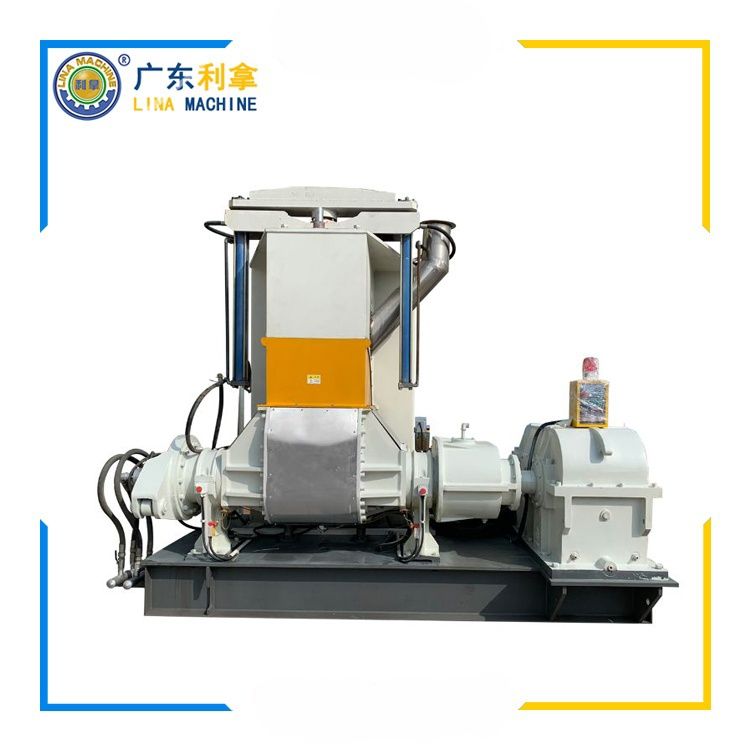
The mixing machine's design and functionality play a significant role in its performance. Some factors that influence its efficiency include the speed of rotation, the size of the container, and the type of material being mixed. The machine must also be equipped with appropriate safety features to prevent accidents and ensure the health and safety of workers.
In conclusion, the mixing machine is a versatile tool that plays a vital role in industrial processes. Its design and functionality determine its effectiveness in achieving desired results. As technology continues to advance, the mixing machine will continue to evolve, offering even more advanced features and capabilities to meet the needs of different industries.