




The Art of Particle Formation in Ceramic Powder Making Machines
Ceramic powder making machines are essential tools in the ceramic industry, as they play a crucial role in converting raw materials into high-quality ceramic powders. These machines use various techniques to achieve this, including ball milling, fluidized bed grinding, and ultrasonic vibration. Each method has its own advantages and disadvantages, but all of them contribute to the final product's quality and consistency.
One of the most common types of ceramic powder making machines is the ball mill. This machine uses steel balls to grind the raw materials, which helps to break down the particles and create a uniform size distribution. Ball mills are versatile and can be used for a wide range of applications, from small batch production to large-scale industrial processes.
Another popular method is fluidized bed grinding, which involves circulating the raw materials through a fluidized bed of pulverized material. This process creates a homogeneous mixture of particles, which can be further processed using other equipment. Fluidized bed grinding offers several advantages over traditional ball milling, such as reduced energy consumption and improved particle size distribution.
Ultrasonic vibration is another technique used in ceramic powder making machines. This method involves applying high-frequency sound waves to the raw materials, which causes them to vibrate and break down into smaller particles. Ultrasonic vibration can be used alone or in combination with other methods to achieve the desired particle size and shape.
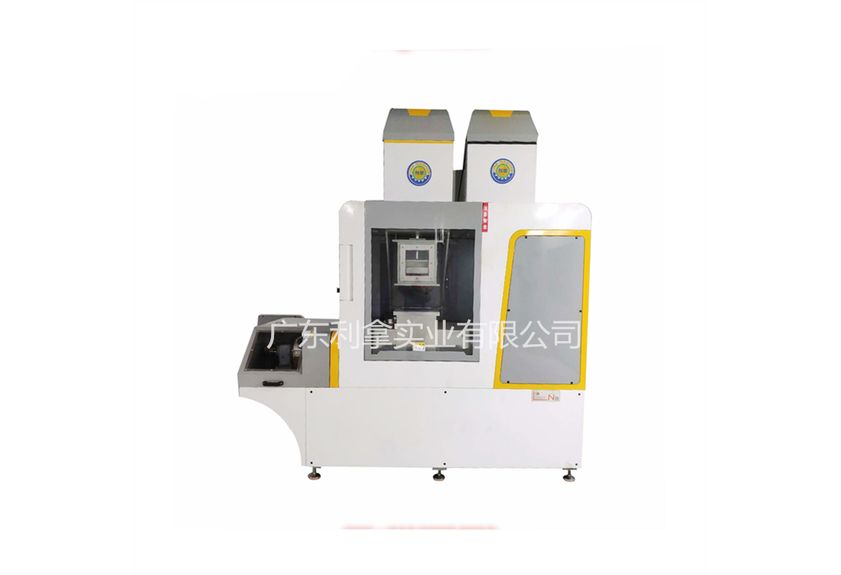
In addition to these techniques, modern ceramic powder making machines also incorporate advanced control systems that allow for precise adjustment of parameters such as temperature, pressure, and flow rate. These systems help to optimize the process and ensure consistent results every time.
Overall, ceramic powder making machines play a critical role in the ceramic industry by providing reliable and efficient ways to produce high-quality ceramic powders. By understanding the different techniques used in these machines and their benefits, manufacturers can choose the right equipment for their specific needs and achieve optimal results.