



Precision Rolling Machines for Absorbent Materials: A Comprehensive Guide
In the field of electronics and electromagnetic interference (EMI) shielding, the use of absorbent materials has become increasingly prevalent. These materials are designed to absorb and disperse electromagnetic waves, reducing their impact on sensitive electronic components. One crucial component in the production process of these absorbent materials is the precision rolling machine. In this article, we will explore the various types of precision rolling machines used in the manufacturing of absorbent materials, their applications, and how they contribute to the overall performance of the product.
1. Sheet Rolling Machines:
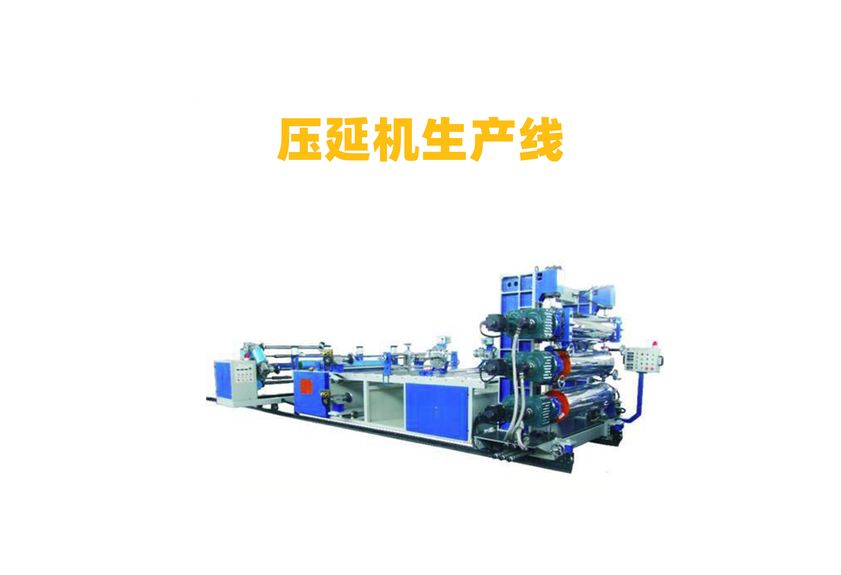
Sheet rolling machines are the most common type of precision rolling machine used in the production of absorbent materials. These machines are designed to roll sheets of absorbent material into uniform thicknesses, ensuring consistent quality throughout the entire batch. The key features of sheet rolling machines include high-speed rotation, precise roller alignment, and automated control systems. These machines can handle a wide range of absorbent materials, including polymers, metal foams, and carbon fibers.
2. Cylinder Rolling Machines:
Cylinder rolling machines are specifically designed to produce cylinder-shaped absorbent materials. These machines have a unique design that allows them to form seamless cylinders with minimal gaps between the layers. The key features of cylinder rolling machines include high-precision rollers, adjustable compression forces, and advanced temperature control systems. This technology enables the production of high-quality cylinder materials that meet stringent EMI shielding standards.
3. Extrusion Rolling Machines:
Extrusion rolling machines are used to create thin films and sheets of absorbent materials. These machines have a unique feature that allows them to extrude molten plastic or other materials into thin, uniform layers. The key features of extrusion rolling machines include high-speed rotation, precise temperature control, and automated feeding systems. This technology enables the production of high-quality absorbent materials with excellent mechanical properties and low EMI emissions.
4. Compression Rolling Machines:
Compression rolling machines are used to create dense, high-density absorbent materials. These machines have a unique feature that allows them to apply pressure to the material during the rolling process, resulting in a more compact and efficient material. The key features of compression rolling machines include high-pressure rollers, adjustable compression forces, and advanced temperature control systems. This technology enables the production of high-quality absorbent materials with superior EMI shielding performance.
5. Conclusion:
The precision rolling machines used in the manufacturing of absorbent materials play a crucial role in enhancing the overall performance of the product. By leveraging the latest technologies and innovative designs, manufacturers can produce absorbent materials with superior EMI shielding capabilities, reduced weight, and improved mechanical properties. As the demand for high-quality EMI shielding materials continues to grow, precision rolling machines will continue to be an essential tool in the industry's ongoing evolution.