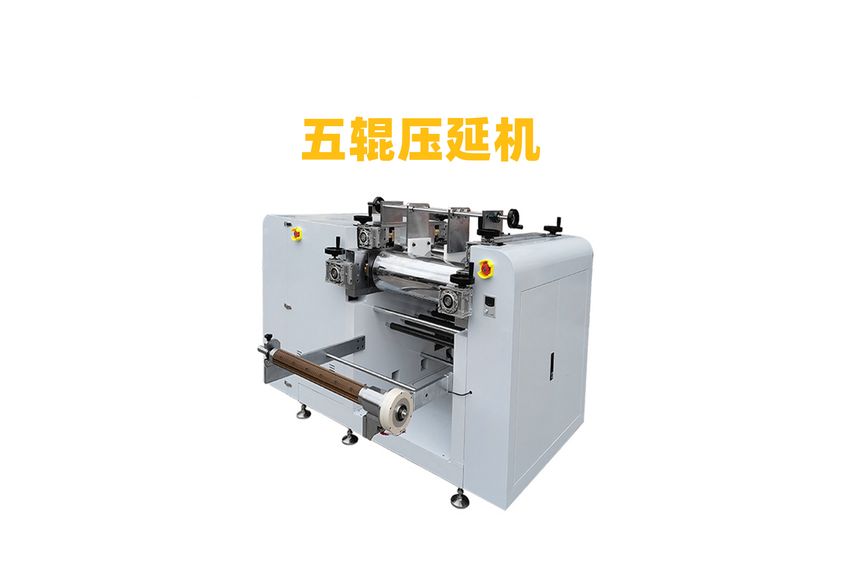



The Role of Thin Film Rolling Machines in Manufacturing
Thin film rolling machines play a crucial role in the manufacturing industry, particularly in the production of thin films and coatings. These machines are designed to apply pressure to a thin layer of material, which is then rolled or compressed to achieve desired physical properties. In this article, we will explore the different types of thin film rolling machines, their applications, and some of the key features that make them effective in the manufacturing process.
Firstly, there are two main types of thin film rolling machines: rotary rollers and flat-rollers. Rotary rollers are used for applying pressure to a continuous sheet of material, while flat-rollers are used for applying pressure to a single piece of material. Both types of machines have their advantages and disadvantages, but they serve different purposes in the manufacturing process.
Rotary rollers are ideal for producing thin films with high uniformity and smoothness. They use a rotating roller to apply pressure to the material, which helps to even out any imperfections or defects that may be present. This ensures that the final product meets the required specifications and quality standards.
On the other hand, flat-rollers are more versatile and can be used for a wide range of applications. They can be used to produce thin films with different thicknesses and densities, as well as to coat various substrates such as metals, plastics, and glass. Flat-rollers also offer greater flexibility in terms of speed and temperature control, which allows for more precise control over the manufacturing process.
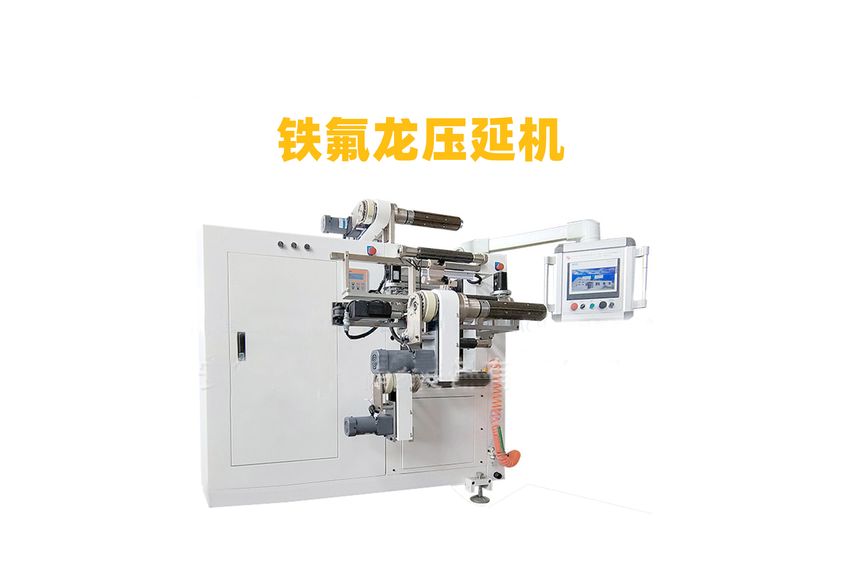
In addition to their mechanical features, thin film rolling machines also come equipped with advanced software and control systems that enable them to operate at high speeds and precision levels. This makes them highly efficient and cost-effective in the manufacturing process.
Overall, thin film rolling machines play an essential role in the production of thin films and coatings, which are used in a wide range of industries such as electronics, automotive, and aerospace. By understanding the different types of thin film rolling machines and their applications, manufacturers can optimize their processes and achieve better results in the manufacturing process.