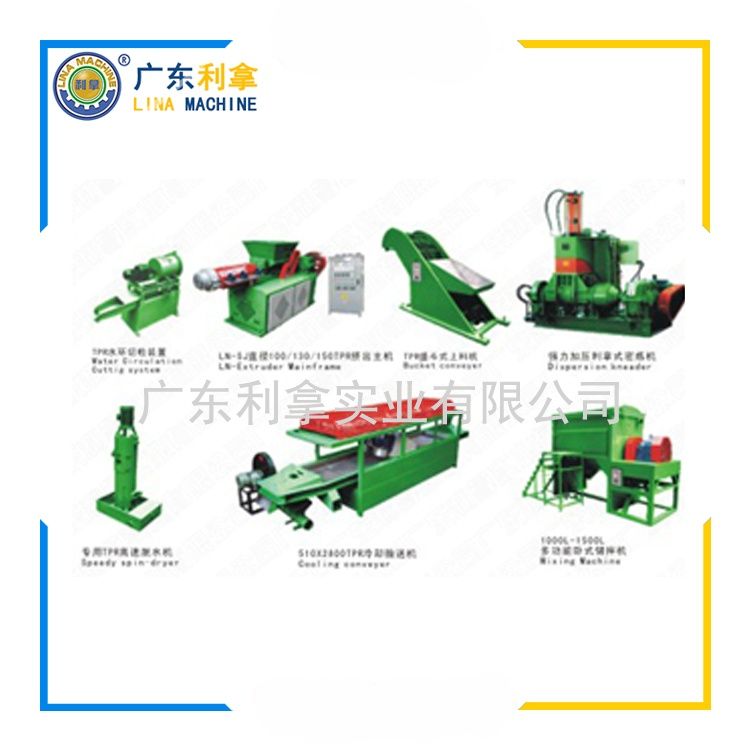



The Low-Smoke and Free-From-Halogen Pelletizer
In the realm of industrial processes, the need for efficient and environmentally friendly equipment has become increasingly important. One such piece of equipment that is gaining attention in recent years is the low-smoke and free-from-halogen pelletizer. This innovative machine is designed to produce pellets with minimal smoke emissions and no harmful halogen compounds, making it a valuable addition to any facility looking to reduce their carbon footprint.
At its core, the low-smoke and free-from-halogen pelletizer utilizes advanced technology to achieve these goals. The machine employs a combination of high-efficiency burners and specialized filters that capture and neutralize any halogen gases produced during the combustion process. This not only reduces the amount of smoke released into the air but also helps to prevent the formation of harmful byproducts that could potentially harm human health or the environment.
One of the key benefits of this machine is its ability to produce pellets with superior quality and consistency. Thanks to its advanced control system, operators can easily adjust the temperature and pressure settings to optimize the process and ensure that each pellet is uniform in size and shape. This results in a more consistent product that can be used in a wide range of applications, from agriculture to energy production.
Another advantage of the low-smoke and free-from-halogen pelletizer is its flexibility and adaptability. With its modular design, it can be easily modified or upgraded to meet the specific needs of different industries. Whether you're looking to switch over from traditional methods or simply want to improve your current process, this machine is an ideal solution.
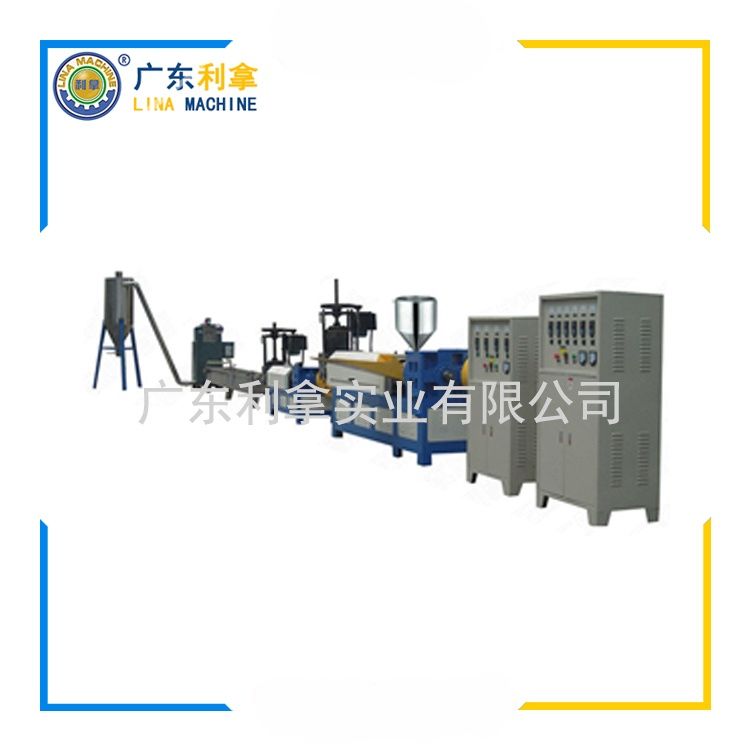
In conclusion, the low-smoke and free-from-halogen pelletizer represents a significant advancement in the field of industrial equipment. With its focus on reducing smoke emissions and eliminating harmful halogen compounds, it offers a powerful tool for businesses looking to minimize their environmental impact while still achieving high levels of efficiency and productivity. As the demand for sustainable practices continues to grow, this machine is set to become an essential part of many operations around the world.