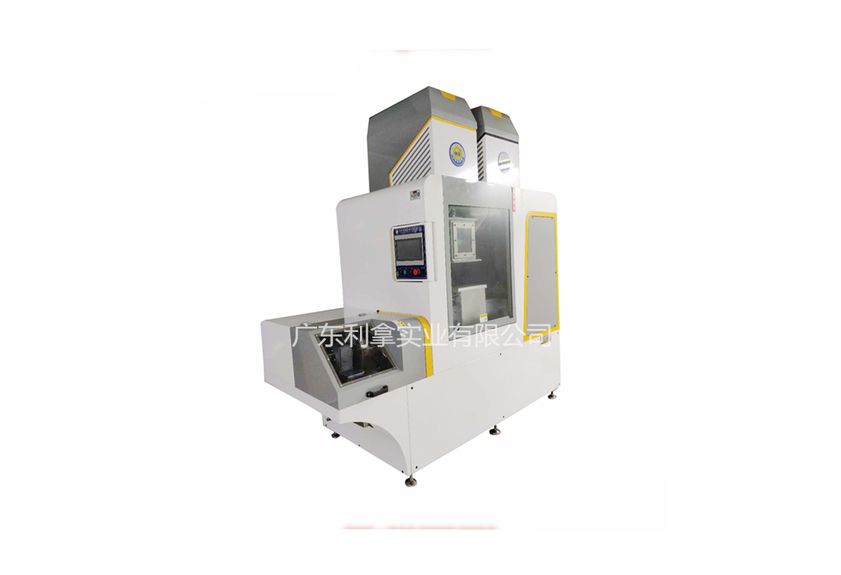



The Art of Particle Formation in Ceramic Powder Making Machines
Ceramic powder making machines are essential tools for the production of ceramic materials, which are widely used in various industries such as electronics, aerospace, and automotive. These machines are designed to process raw materials into fine, uniformly sized particles that can be molded into desired shapes. In this article, we will explore the different types of ceramic powder making machines, their applications, and how they contribute to the success of ceramic manufacturing.
Firstly, there are two main types of ceramic powder making machines: ball milling machines and fluidized bed grinding machines. Ball milling machines use rotating balls to crush and grind the raw materials, while fluidized bed grinding machines use air to carry the powder particles through a fluidized bed. Both types of machines have their advantages and disadvantages, but they are used interchangeably depending on the specific requirements of the ceramic material being produced.
Ball milling machines are commonly used in the production of ceramic powders for high-temperature applications such as refractory materials. These machines are capable of producing very fine particles with a narrow size distribution, which is important for the performance of high-temperature ceramics. However, ball milling machines require more energy and are prone to wear and tear, which can affect the quality of the final product.
Fluidized bed grinding machines are preferred for the production of ceramic powders for low-temperature applications such as electrical insulation. These machines produce smaller particles with a wider size distribution, which is ideal for the performance of low-temperature ceramics. However, fluidized bed grinding machines require more space and are more complex to operate than ball milling machines.
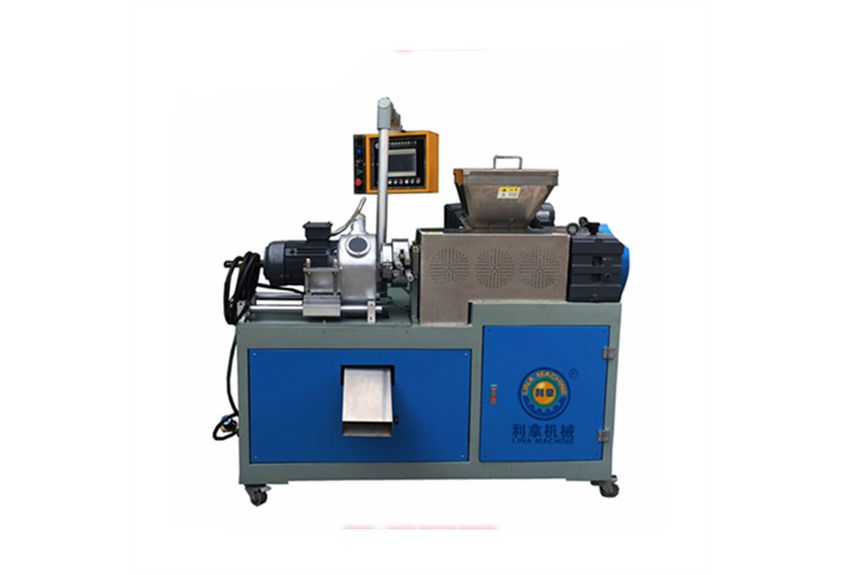
In addition to these two main types of ceramic powder making machines, there are also other specialized machines such as ultrasonic milling machines and plasma spraying machines. Ultrasonic milling machines use ultrasonic vibrations to break down the raw materials into smaller particles, while plasma spraying machines use high-energy plasma to melt and fuse the raw materials into a single molten pool before solidifying into a dense ceramic structure.
The success of ceramic powder making machines depends on several factors, including the type of machine used, the quality of raw materials, and the operating conditions. To ensure optimal performance, it is important to select the right machine for the specific application and to maintain it regularly to avoid any potential issues.
In conclusion, ceramic powder making machines play a crucial role in the production of ceramic materials. By understanding the different types of machines available and their applications, manufacturers can optimize their processes and achieve the highest quality products possible.