




Understanding the Functionality of Ceramic Powder Mixing Machines
Ceramic powder mixing machines are essential tools in the ceramic industry, particularly in the production of high-quality ceramic materials. These machines are designed to mix and blend ceramic powders with various additives such as binders, plasticizers, and fillers to create a uniform mixture that can be molded into desired shapes. The process of mixing is typically done using high-speed rotational motion, which helps to break down the powder particles and evenly distribute the ingredients.
One of the key features of ceramic powder mixing machines is their ability to handle a wide range of ceramic powders, including those with different particle sizes and densities. This makes them ideal for producing a variety of ceramic products, from small components to large pieces. Additionally, these machines are often equipped with advanced sensors and control systems that allow for precise temperature and pressure settings, ensuring that the final product meets specific quality standards.
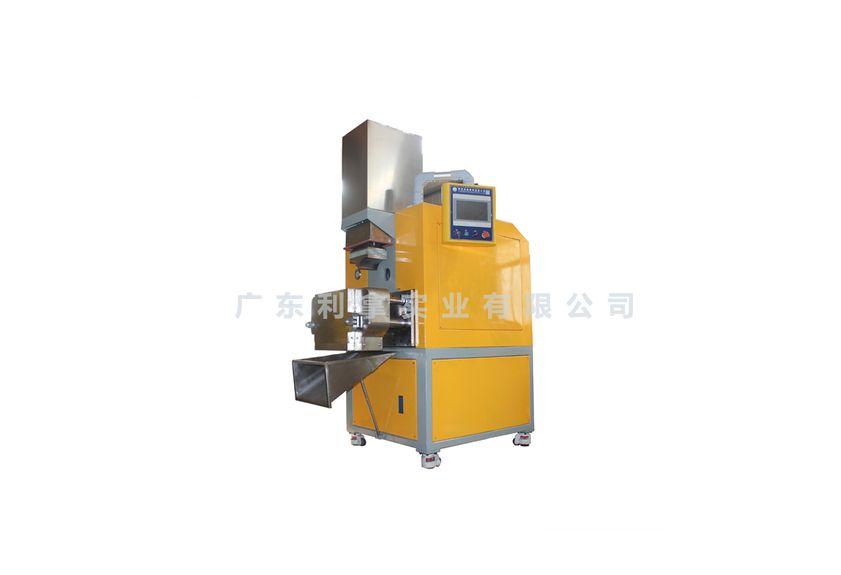
In addition to their technical capabilities, ceramic powder mixing machines also play a crucial role in improving productivity and reducing waste. By efficiently processing large batches of ceramic powder, these machines can save time and resources, making them an attractive option for businesses looking to streamline their production processes.
1. Ceramic Powder Mixing Machine
2. High-Speed Rotational Motion
3. Particle Breakdown
4. Quality Standards
5. Productivity Improvement
6. Waste Reduction
This article provides an in-depth analysis of the functionality and benefits of ceramic powder mixing machines, highlighting their ability to efficiently process a wide range of ceramic powders while maintaining consistent quality standards. By utilizing advanced technology and techniques, these machines can significantly improve productivity and reduce waste, making them an essential tool for any ceramic manufacturing business.