




The Art of Wire and Cable Extrusion Molding Machines
The wire and cable industry is a vital component of modern infrastructure, with the use of high-quality materials and precise manufacturing processes being essential for ensuring longevity and reliability. One of the most critical steps in this process is the extrusion molding of wires and cables, where the raw materials are transformed into finished products. This process is facilitated by wire and cable extrusion molding machines, which are designed to handle a wide range of wire and cable materials, including copper, aluminum, and steel. These machines are highly efficient, producing wires and cables with consistent quality and specifications. In this article, we will explore the different types of wire and cable extrusion molding machines available in the market, their features, and how they contribute to the overall production process.
Firstly, let's discuss the basic principles of wire and cable extrusion molding machines. These machines work by using high-pressure air or oil to force the molten metal through a die, creating a continuous filament that can be further processed into wires or cables. The die is made up of multiple layers, each with specific shapes and sizes, allowing for the creation of wires and cables with various cross-sectional geometries. The machine's control system is crucial in ensuring accurate and consistent output, with features such as temperature control, pressure adjustment, and speed control playing a significant role in the final product's quality.
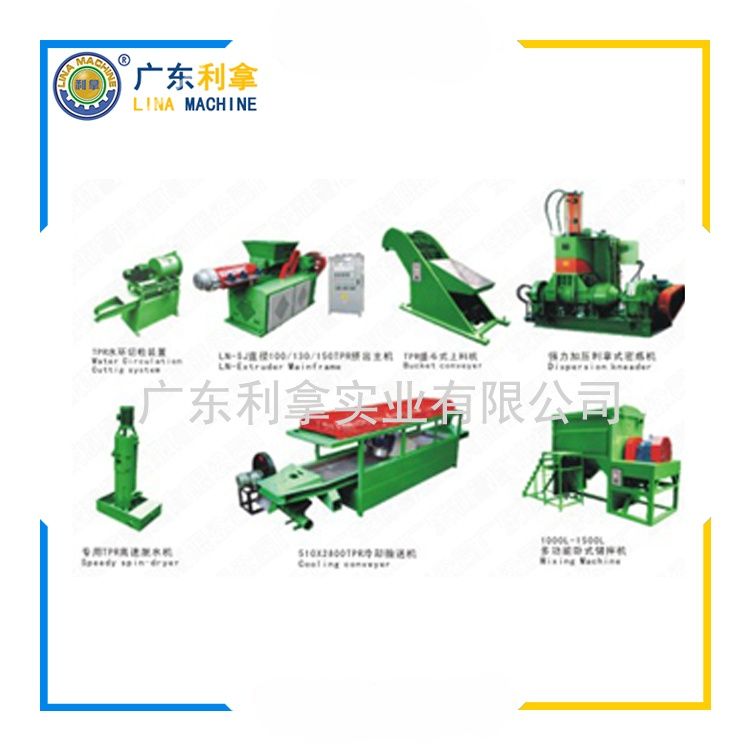
Now, let's take a closer look at some of the popular wire and cable extrusion molding machines on the market. One of the most widely used machines is the screw extruder, which uses a rotating screw to push the molten metal through the die. This type of machine is ideal for producing wires and cables with a uniform cross-sectional shape, making it suitable for applications such as power transmission lines. Another popular choice is the rod extruder, which produces wires and cables with a round cross-sectional shape. This machine is ideal for applications requiring a more flexible material, such as those used in wiring harnesses.
In addition to these basic types, there are also specialized wire and cable extrusion molding machines designed for specific applications. For example, the multi-layer extrusion machine is used to produce wires and cables with multiple layers of metal, providing increased strength and durability. The wire drawing machine is specifically designed to produce thin wires from thicker materials, making it ideal for applications such as electrical wiring.
The benefits of wire and cable extrusion molding machines are numerous. They are highly efficient, producing wires and cables with consistent quality and specifications, reducing waste and minimizing costs. Additionally, these machines are highly adaptable, allowing for the production of wires and cables with varying cross-sectional geometries and materials. This flexibility makes them ideal for a wide range of applications, from power transmission lines to wiring harnesses.
In conclusion, wire and cable extrusion molding machines play a crucial role in the production process of wires and cables. By leveraging advanced technology and innovative design, these machines have become increasingly efficient, reliable, and cost-effective, making them an essential tool in the modern wire and cable industry. As the demand for high-quality wires and cables continues to grow, the importance of wire and cable extrusion molding machines cannot be overstated.