




The Art of the Pelletizer: Understanding and Mastering the Process
The pelletizer is a crucial piece of equipment in the food processing industry, particularly in the production of animal feed. It is a machine that transforms raw materials into small, uniform pellets, which are then used as a high-quality source of protein for livestock and poultry. In this article, we will explore the intricacies of the pelletizer process, its benefits, and how to effectively use it for optimal results.
Firstly, let's understand what a pelletizer is. A pelletizer is a mechanical device that uses heat and pressure to convert raw materials into small, hard pellets. These pellets are typically made from corn, soybean meal, wheat, or other grains, and are used as a supplement to animal feed. The pelletizer works by passing the raw material through a series of rollers and dies, which shape and compact the material into pellets. The temperature and pressure applied during this process determine the size and density of the pellets produced.
One of the main benefits of using a pelletizer is its ability to produce high-quality pellets. By controlling the temperature and pressure during the process, the pelletizer can ensure that the pellets have a consistent size and density, which makes them more digestible and palatable for animals. This not only improves the nutritional value of the feed but also reduces waste and increases efficiency.
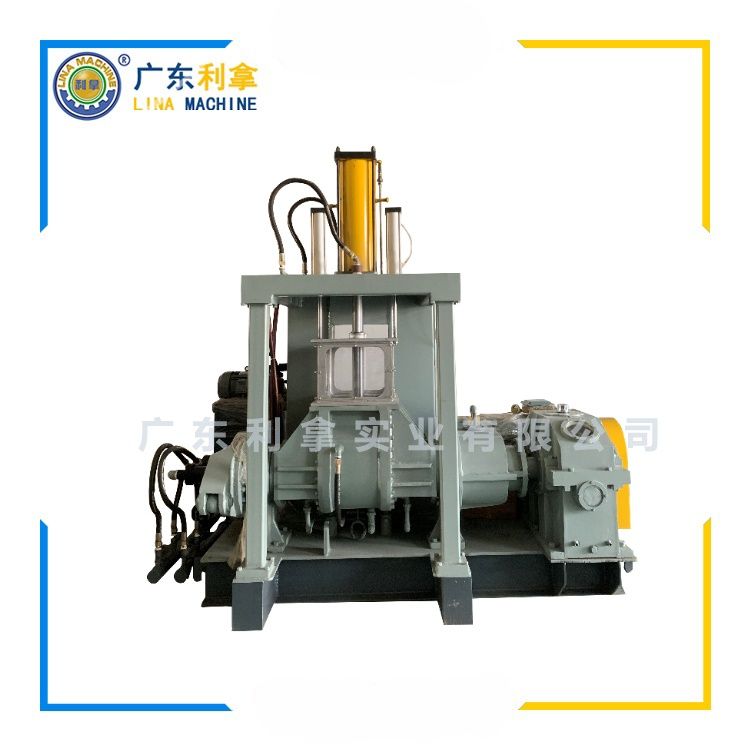
Another advantage of the pelletizer is its flexibility in terms of raw material selection. While most pelletizers are designed to work with specific types of raw materials, there are some models that can be adapted to handle a wider range of feed ingredients. This allows producers to tailor their products to meet specific needs and market demands.
To effectively use a pelletizer, it is important to follow the manufacturer's instructions carefully. This includes setting up the machine correctly, ensuring proper alignment of the rollers and dies, and adjusting the temperature and pressure settings accordingly. Additionally, regular maintenance and cleaning of the pelletizer are essential to ensure optimal performance and longevity.
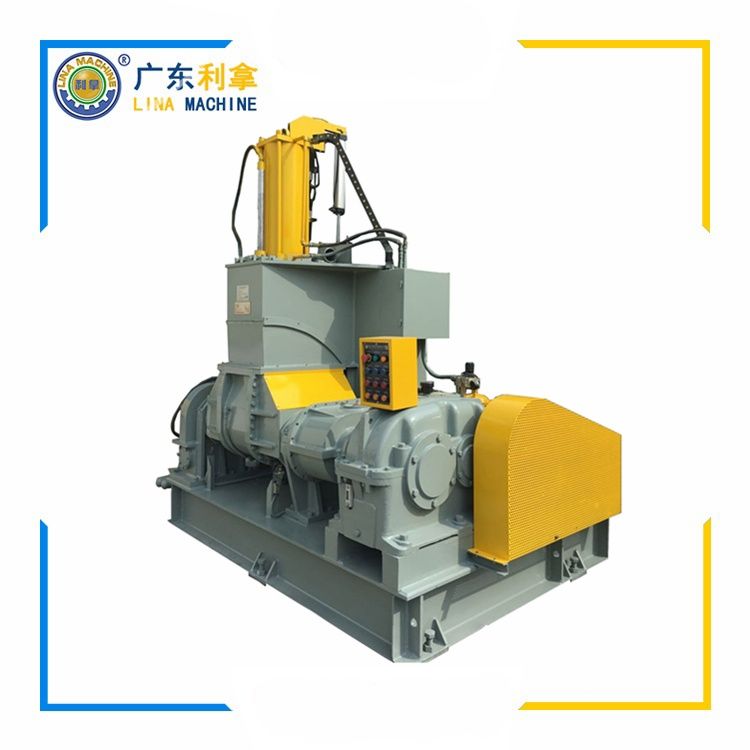
In conclusion, the pelletizer is a valuable tool in the food processing industry, particularly for producing high-quality animal feed. By understanding its working principles and following proper usage guidelines, producers can maximize its benefits and achieve optimal results.
