




The Role of Hydraulic Flippers in the Development of High-Performance Continuous Mixing Processes
Hydraulic flippers are an integral part of modern continuous mixing processes, particularly in the production of high-quality rubber and plastic compounds. These innovative machines have revolutionized the way materials are processed, resulting in increased efficiency, reduced waste, and enhanced product quality. In this article, we will explore the unique features of hydraulic flippers and their impact on the development of continuous mixing technology.
One of the most significant advantages of hydraulic flippers is their ability to precisely control the temperature and pressure during the mixing process. This ensures that the materials are thoroughly mixed without any uneven heating or cooling, which can lead to defects in the final product. Additionally, the use of hydraulic flippers allows for the adjustment of the mixing time and speed, allowing for customized processing of different types of materials.
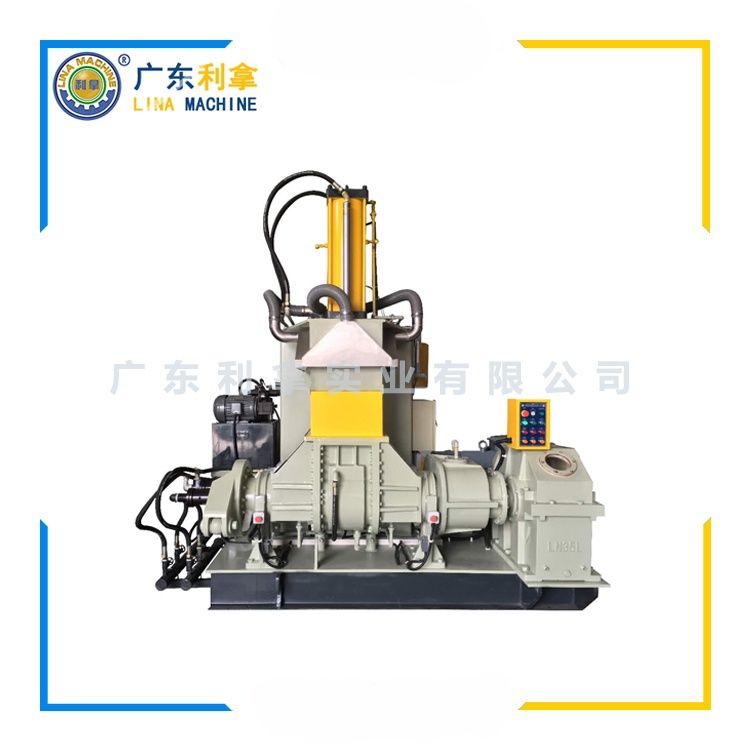
Another critical feature of hydraulic flippers is their compact design, making them ideal for use in small batch sizes. This makes them ideal for industrial applications where space is limited, such as in the automotive industry or electronics manufacturing. The compact size also means that they can be easily transported and set up, reducing downtime and increasing productivity.
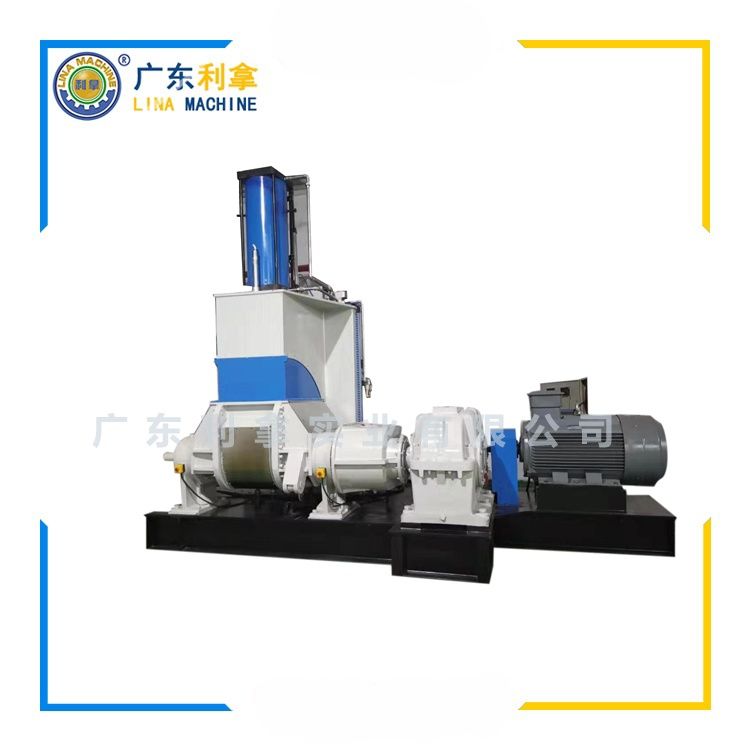
The use of hydraulic flippers has also led to improvements in energy efficiency. By using a more efficient motor and compressor system, these machines can achieve higher power outputs with lower energy consumption. This not only reduces operating costs but also contributes to environmental sustainability by minimizing greenhouse gas emissions.
In conclusion, hydraulic flippers are a powerful tool in the continuous mixing industry, offering numerous benefits such as precise temperature control, customizable processing, compact design, and improved energy efficiency. As technology continues to advance, it is likely that these machines will continue to evolve, further enhancing the quality and efficiency of the materials produced.